
Exploring Pop Up Kites: Your Ultimate Guide


Intro
Pop up kites have captured the interest of kiteboarding enthusiasts, both seasoned pros and newcomers alike. These kites represent a blend of innovation and tradition, designed not just for leisure but also for performance on the water. Their construction often prioritizes ease of use, making them an attractive option for different skill levels. Understanding what makes pop up kites tick—how they work, their types, and their suitability for varying conditions—is crucial. By diving into this guide, kiteboarders can enhance their skillset and confidence on the waves.
Not all kites are created equal. As anyone familiar with the sport will tell you, choosing the right kite can mean the difference between a thrilling ride and a frustrating flop. This article will navigate through the fascinating world of pop up kites, covering essential techniques for different skill levels, in-depth equipment reviews, and practical tips that ensure you ride the water like a seasoned pro. Whether you're riding solo or hitting the waves with a group, knowing the ins and outs of your gear is half the battle.
Through this guide, we aim to equip you with valuable insights that refine your understanding and performance as a kiteboarder. Remember, whether it’s breezy afternoons at the beach or gusty days on open water, the right kite can elevate your entire kiteboarding experience. Let's dive in!
Preface to Pop Up Kites
In recent years, pop up kites have become a significant trend within the kiteboarding community. Their unique design coupled with an immense functionality lead to a thrilling experience on the water. This section delves into what exactly pop up kites are and explores their historical backdrop, ultimately showing why they matter in the world of kiteboarding.
Definition and Origin
Pop up kites, at their core, are kites that can be easily inflated, helping them maintain their shape and structure while in flight. The concept harkens back to the early days of kites varying from simple fabric creations to the more sophisticated inflatable forms we see today. The evolution of pop up kites is fascinating; beginning from traditional designs to modern adaptations made with advanced materials. The simplest form can be traced to ancient China, where kites were primarily used for recreation and military signaling.
Fast forward to the 20th century, innovative minds began experimenting with inflatable structures. This led to the birth of what we know as pop up kites, driven by the desire for a light, easy-to-pack alternative that can withstand varying wind conditions. Understanding this background is crucial in appreciating the engineering that goes into a pop up kite, as well as its practical applications on the water.
Importance in Kiteboarding
The importance of pop up kites in kiteboarding cannot be overstated. They have transformed the way enthusiasts engage with the sport, bringing accessibility and ease of use to the broader kitesurfing community.
One of the primary advantages of pop up kites is their user-friendly nature. Not everyone stepping onto the water is a seasoned expert, and pop up kites serve as a gateway. They allow beginners to learn without feeling overwhelmed, providing stability and control essential for gaining confidence on the surf.
Moreover, the versatility of these kites means they can be used across various conditions and locations. Be it sunny beaches or secluded lakes, these kites adapt well due to their ability to perform in lighter winds, making them appealing to beginner kiteboarders and experienced ones alike.
"The ease of set-up and dismantling of pop up kites means less time fiddling and more time riding. It's a game changer for anyone looking to hit the waves quick!"
Not to mention, pop up kites are lighter than their counterparts; this aspect makes them easy to transport. Whether you’re driving to a kite spot or catching a flight, these kites can be your trusty sailing companion. Their construction allows for easy packing without compromising on performance, which is essential in today's fast-paced world of kiteboarding.
Thus, as we dive deeper into the types, components, and challenges associated with pop up kites, it's vital to keep in mind their significant role in making kiteboarding more approachable and enjoyable for a myriad of riders.
Types of Pop Up Kites
Understanding the various types of pop up kites is crucial for kiteboarders of all levels. Each kite type serves a unique purpose and caters to specific needs and preferences. Knowing these differences can greatly enhance your experience on the water, making each session more enjoyable and productive.
In our exploration of pop up kites, we will dive into three primary types: foil kites, LEI (Leading Edge Inflatable) kites, and training kites. Each of these categories comes with its own set of benefits and considerations that can make or break your time on the board.
Foil Kites
Foil kites are well-known for their lightweight design and high-performance capabilities. They consist of a series of cells that can capture air, which gives the kite its shape and structure. This design allows for excellent lift and responsiveness, making them ideal for advanced riders who want to execute complex maneuvers.
- Key Characteristics:
Lightweight materials: Typically made from ripstop nylon or similar fabrics.
Multiple sizes and designs: Catering to different wind conditions and rider preferences.
The beauty of foil kites lies in their ability to perform well in varying wind conditions. Whether you are in light breezes or stronger gusts, a foil kite can deliver impressive results. However, they are not often the best choice for beginners due to their sensitivity to wind changes.
LEI Kites (Leading Edge Inflatable)
LEI kites are perhaps the most common type seen in kiteboarding today. These kites are characterized by their inflatable leading edge and struts, providing them a stable structure that can handle different wind conditions.
- Benefits:
Ease of launching: Their structure makes them easier to get in the air, even in tricky conditions.
Great stability: Sailors often find that LEI kites offer superior handling, especially for jumping and tricks.
These kites are generally more forgiving for beginners, as they tend to recover better from lulls in the wind. However, it’s crucial to ensure proper inflation; a leaky LEI kite can quickly turn a fun day into a frustrating experience.
Training Kites
Ideal for newbies, training kites are usually smaller and less powerful. They are designed to help learners get accustomed to the feeling of flying a kite without the same risks associated with larger models.
- Features:
Simplicity: Often designed with fewer lines, making them easier to control.
Safety: Lighter pull, allowing beginners to practice without feeling overwhelmed.
Training kites are typically used on land or in light wind conditions, where they can offer an easier and controlled environment to learn the ropes. They prepare users for the larger kites, setting a solid foundation in kite control.
In summary, grasping the differences and advantages of these kite types can help you align your choice with your skill level and riding goals. Choosing the right type of pop up kite is a pivotal step that can ultimately enhance your kiteboarding experience.
"The right kite can transform your day on the water from just another outing to an exhilarating adventure."
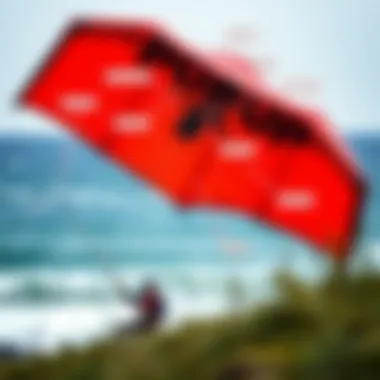

For more insights on selecting the perfect kite for your needs, check out resources like Wikipedia on Kites and discussions on kiteboarding forums at Reddit.
In the coming sections, we'll explore the components that make up these fascinating kites and how to maintain them for the best performance.
Components of Pop Up Kites
Understanding the components of pop-up kites is crucial for kiteboarders and enthusiasts alike. These elements not only contribute to the performance but also to the durability and overall kite-flying experience. Here, we’ll dive into the essential parts that make up these kites, examining how each component plays a role in how the kite behaves in the air and on the water.
Canopy Materials
The canopy acts as the kite's skin, responsible for catching the wind and providing lift. Generally made from synthetic fabrics, these canopies are designed to withstand various environmental conditions. Common materials include Nylon, especially ripstop nylon due to its durability and lightweight properties. Another favorite is Polyester, which offers good UV resistance and keeps its shape over time.
When selecting a kite, pay attention to the weight and breathability of the canopy material:
- Lightweight fabrics can translate into great performance but might sacrifice durability.
- Breathable materials can prevent moisture buildup, crucial for maintaining performance over extended sessions.
Furthermore, consider the stitching quality as well; poor stitching can lead to structural failures in windy conditions. You really want that kite to hold up without tearing if you hit a snag.
Wing Structure and Design
The wing shape and structure of a pop-up kite determine how it interacts with wind. Kites can vary significantly in design, including aspects like aspect ratio and wing profiles. A higher aspect ratio kite is generally faster and provides more lift, making it suitable for expert kiteboarders who thrive on speed. Conversely, lower aspect ratios offer better stability, ideal for beginners.
Key design features include:
- Leading Edge: The front of the wing which cuts through the wind, affecting speed and control.
- Trailing Edge: The back end, where airflow stabilizes, essential for preventing turbulence.
Different designs also respond uniquely to wind conditions—tapered wings favor agility, while flat wings provide consistent lift. Understanding these design characteristics can help you choose a kite that suits your style.
Bridles and Lines
Bridles connect the wing to the lines, playing a pivotal role in how a kite flies. They help distribute the pull more evenly across the canopy, making your flying experience smoother.
The lines can vary in length and material, impacting the control and responsiveness of the kite. Here’s what to keep in mind:
- Material: Spectra and Dyneema are common, known for their strength-to-weight ratio.
- Length: Longer lines can increase the kite's to fly high, offering different handling characteristics, while shorter lines often provide more immediate response with better control.
It is essential to inspect bridles and lines regularly because wear and tear can significantly affect kite performance and safety. Snags, frays, or twists can lead to mishaps, so knowledge of your kite's rigging is indispensable.
"Proper maintenance of the bridle and lines ensures your kite is always ready to fly without unexpected surprises during those exhilarating sessions."
In summary, understanding the components of pop-up kites—canopy materials, wing structure and design, bridles, and lines—will greatly enhance your kiteboarding experience. Whether you are a novice looking to learn or a seasoned veteran eyeing the next big wave, having this knowledge at your fingertips can lead to smarter choices and an overall better ride.
For more information, check out resources like Wikipedia on Kites, or visit forums such as Reddit Kiteboarding for community insights.
Advantages of Pop Up Kites
Pop up kites offer a number of advantages that can greatly enhance the experience of both novice and seasoned kiteboarders. Understanding these benefits helps enthusiasts appreciate why pop-up kites have become an integral part of the kiteboarding community. This section covers three key advantages: ease of use, portability, and versatility.
Ease of Use
For those just stepping into the realm of kiteboarding, the ease of use that pop up kites provide can’t be overstated. Unlike traditional kites, these kites are designed for straightforward assembly and deployment. In many cases, all it takes is a simple pull of a strap or release of a clasp, and voilà—you have a fully functional kite ready for action. The intuitive design minimizes setup time, allowing riders to hit the water sooner.
Moreover, many pop up kites come with features that simplify flight control, making them user-friendly even for beginners. When in the air, maintaining stability and control is crucial. Pop up kites often have built-in safety mechanisms that automatically stabilize the kite in various wind conditions. This feature means that even less experienced riders can focus on enjoying the ride rather than grappling with complex maneuvers or alterations.
Portability
Another significant advantage of pop up kites is their portability. These kites are crafted with lightweight materials that make them easy to fold and stow away. This is particularly beneficial for individuals who may want to travel to different locations without lugging around hefty equipment. Whether it's a beach trip, a lake getaway, or a weekend at a kiteboarding festival, packing light becomes a non-issue.
Users can easily place a pop up kite in a backpack or a small carry bag. This compact storage capability means that kiteboarders can quickly transition from transport to water without much hassle. When considering gear for water sports, the less cumbersome, the better. Many enthusiasts find this aspect particularly appealing, as it allows them more freedom to explore new spots without worrying about the logistics of transporting their gear.
Versatility
The versatility of pop up kites is a further highlight worth noting. These kites are not solely designed for one specific activity. In fact, their multifunctionality makes them suitable for various conditions, whether you’re kiteboarding in shallow waters or skimboarding at the beach. Some models double as training kites, making them perfect for beginners looking to gain confidence before transitioning to competitive kiteboarding.
Different wind conditions can also be navigated with greater ease due to the adaptability of these kites. Be it light winds or gusty breezes, the right pop up kite can accommodate a range of situations, allowing users to maximize their time spent on the water. This flexibility means less downtime and more thrilling moments, broadening the appeal of kiteboarding to a larger audience.


"The right pop up kite can change the way you experience the water, making it easier for you to enjoy both relaxation and thrill."
In summary, the advantages of pop up kites—ease of use, portability, and versatility—not only improve the kiting experience but also ensure that enthusiasts can participate in this exhilarating sport with greater confidence and enjoyment. The continuous advancements in design and function only bolster their popularity among a diverse range of kiteboarders.
Challenges with Pop Up Kites
When it comes to kiteboarding, pop up kites can be a double-edged sword. While they often promise thrilling experiences and accessible use, they also come bundled with their share of challenges. Understanding these challenges is crucial for anyone looking to venture into the world of kiting – whether you’re a novice finding your sea legs or a seasoned rider aiming to get the most out of your gear.
In this section, we’ll break down some of the primary hurdles you might face with pop up kites. Knowing them can keep you one step ahead in this exhilarating sport.
Wind Limitations
Wind is the lifeblood of kiteboarding and yet it can be your worst enemy. Pop up kites often have specific wind range requirements. If the wind is too light, the kite struggles to launch and stay aloft; conversely, when there’s too much wind, you might find yourself in a precarious situation.
For example, a foil kite might work wonders in a gentle breeze of 12 to 18 knots but could be a handful when gusts reach beyond 25 knots.
- Key considerations for wind limitations:
- Checking Wind Conditions: Before hitting the water, always check local forecasts or utilize reliable apps for real-time wind assessments.
- Kite Size Matters: Smaller kites are generally easier to control in strong winds, while larger kites are suited for lighter conditions.
- Personal Skill & Experience Level: Your familiarity with the nuances of wind can heavily dictate your gear choice and riding experience.
Navigating these wind limitations not only ensures your safety but also enhances your overall enjoyment on the water.
Stability Concerns
Holding steady can be a major concern with pop up kites. Many riders often grapple with maintaining stability, especially in choppy waters or during changing wind patterns. These moments can lead to frustrating tumbles and less-than-ideal riding experiences.
The stability struggles often arise from the design and structure of the kites. Unlike traditional kites, pop up kites can be more susceptible to shifts caused by sudden gusts or rippling surfaces below.
- Factors affecting stability:
- Design Elements: Bridles and line lengths can impact how a kite behaves in the air. Proper adjustments can often remedy some stability issues.
- Weight Distribution: Ensure you’re balanced on your board; a misstep can lead to inconsistent kite behavior.
- Kite Positioning: Keep an eye on your kite’s height and angle; too high can lead to drastic pulls, while too low might cause the kite to tumble.
"A well-tuned kite is like a well-oiled machine. Neglect the details, and you're bound to hit a snag."
Addressing these stability concerns head-on gives riders the confidence to push boundaries, explore new tricks, and enjoy their time on the water without fear of an unexpected mishap.
Through a keen awareness of wind limitations and stability challenges, kiteboarders can better prepare for their outings, leading to more enjoyable rides and fewer frustrations.
Selecting the Right Pop Up Kite
Choosing the right pop up kite can be the difference between a fantastic day on the water and a struggle against the elements. Various factors must come into play, each intertwining like the lines that tug at the kite. The right kite not only enhances your experience but also aligns with your specific skills, the nature of the environment, and your financial considerations. This section breaks down key elements for selecting the perfect kite.
Skill Level Considerations
First things first, understanding your own skill level is paramount. A novice might easily feel overwhelmed with a high-performance kite that’s designed for experienced flyers. On the flip side, a seasoned kiteboarder may find a beginner's kite too restrictive, limiting performance and thrill. Here’s a simple breakdown of considerations:
- Beginners should look for kites that are stable and easy to control. Training kites with a lower aspect ratio may serve better here, as they offer a forgiving learning curve.
- Intermediate users, on the other hand, might seek kites that allow for more maneuverability while maintaining some stability. A medium aspect ratio can maneuver well while still providing good lift.
- Advanced flyers are often on the hunt for high-performance kites that are agile and can handle more intense conditions, often leaning toward a higher aspect ratio design.
Recognizing where you stand is half the battle won. Picking a kite designed for your skill level can take away a lot of the guesswork and improve your overall kiteboarding experience.
Environmental Factors
Wind conditions
When diving into kite selection, wind conditions are like the backdrop against which your flying dance unfolds. The wind is not just a force; it’s part of the kiteboarding symphony. The right kite for low-wind days won’t leash well in heavy gusts and vice versa.
- Light winds (below 12 knots) favor larger kites that can catch what little air is available. A larger surface area helps lift the rider off the water.
- Moderate winds (12-20 knots) often align well with medium-size kites, allowing for versatility.
- Strong winds (20 knots and above) typically require smaller, more robust kites that are expertly designed to handle turbulent conditions without becoming a dangerous liability.
In short, assessing wind conditions becomes essential in answering questions like, "Will my kite hold up today?" Understanding the wind is no less vital than knowing how to steer.
Water terrain
Water terrain also weighs heavily in kite selection. The conditions of the water can massively influence the type of kite that will work best.
- Flat water areas allow for greater speed and performance, where a more powerful kite with rapid response is often ideal. You’ll want to pick a kite that allows for quick turns to practice aerial maneuvers.
- Choppy waters can be a different beast. In this terrain, kites designed for stability become invaluable, helping to maintain control and prevent being tossed about. A larger canopy can absorb some of that roughness, providing a smoother ride.


Ultimately, understanding how your chosen kite interacts with the unique water conditions makes for smarter decisions. Flying in ideal settings is possible when informed choices are made.
Budget Implications
Last but certainly not least is the budget. A pop up kite is usually a considerable investment. Here’s how it all breaks down:
- Quality kites will typically align with higher price tags. Good materials and construction reliability come with costs. Evaluating your financial comfort zone is key.
- Training kites are often available at lower prices, providing an avenue for those just starting. Remember, though, that as skills progress, investment in better equipment is likely inevitable.
One must balance immediate desires with long-term goals. Finding a kite that suits your needs without breaking the bank can be a bit like fishing; sometimes, patience and a cool head yield the biggest catches.
Maintenance and Care
Proper maintenance and care of pop up kites can't be overstated. Just like any other piece of equipment in kiteboarding, if you don't look after them, they'll let you down when you need them the most. Neglecting their upkeep can lead to issues that might affect performance, safety, and longevity. For kiteboarders who rely on their gear, it’s crucial to establish a regular routine for checking your kit and ensuring that every component is in top-notch shape.
Regular Inspections
When it comes to pop up kites, regular inspections are your first line of defense against wear and tear. During these check-ups, pay attention to specific areas such as the canopy, lines, and bridles. Look for any signs of rips, frays, or discoloration. Missing or compromised stitching on the canopy can be an early indicator that a larger problem could be looming.
Here’s a handy checklist you can follow:
- Inspect the canopy for visible damage or punctures.
- Check the lines for any signs of wear—if they look fuzzy, it's probably time to replace them.
- Assess the bridles for knots or twists that could impact functionality.
- Verify that connectors and fasteners are intact and secure.
A good habit to form is to run these inspections after every use; it doesn’t take long, and a little preventive care can save you a world of trouble down the line. Remember that even the smallest oversight could lead to a total malfunction, resulting in possible accidents. As the saying goes, an ounce of prevention is worth a pound of cure.
Storage Techniques
Storing your pop up kite properly is just as critical as conducting regular inspections. After all, once your kite has been used and is dry, it’s essential to store it in a way that maintains its integrity. Avoiding unnecessary stress on the materials can dramatically extend its lifespan. Here are some useful techniques:
- Dry it off: Always make sure your kite is completely dry before storing. Storing a wet kite can lead to mold and mildew, which are harmful to both the fabric and your health.
- Use a bag: Invest in a good quality storage bag. This bag should be well-ventilated to avoid trapping moisture.
- Keep away from direct sunlight: Store your kite in a cool, dry place that is not exposed to sunlight for prolonged periods. UV rays can degrade the material over time.
- Avoid heavy loads: Don't stack heavy items on your kite bag during storage. This might create undue pressure on the kite that could lead to shape deformities.
Proper maintenance and worthy storage techniques promote a smooth sailing experience when kiteboarding. Adopting these practices might feel tedious sometimes, but they can drastically impact your kite's performance when it's time to hit the water.
"An adequately maintained kite is like a trusty steed; it’ll carry you through the waves without falter, as long as you treat it right."
For more information on kite maintenance practices, check out resources like Kiteboarding.com and Wikipedia for additional tips and insights.
Future Trends in Pop Up Kites
As the kiteboarding landscape evolves, so do pop up kites—an essential element for enthusiasts and professionals alike. Understanding future trends not only highlights the innovation within this thrilling sport but also prepares kiteboarders for what’s to come. This section delves into the latest materials and design advancements that promise to enhance safety, performance, and overall enjoyment on the water.
Innovative Materials
In recent years, the kiteboarding industry has witnessed a surge in the development of cutting-edge materials, which significantly affect the performance of pop up kites. Traditional fabrics, though reliable, are being complemented and sometimes replaced by modern composites that are lighter, stronger, and more resistant to wear and tear.
- Dyneema: This ultra-strong fiber is renowned for its high tensile strength and minimal stretch. It's used in high-performance bridles, contributing to improved handling.
- Ripstop Nylon: Continuously a popular choice, this fabric’s grid pattern helps prevent tears, but newer coatings are enhancing durability against UV rays and the salty sea environment.
- Membrane Materials: Companies are experimenting with lightweight membrane technology, which promises to deliver exceptional performance with a reduced weight, improving lift and maneuverability.
These new materials come with their own set of challenges and considerations. While they offer enhanced capabilities, combined higher costs could sway some kiteboarders. However, investing in high-quality materials often results in long-term benefits, ensuring your gear stands the test of time.
Advancements in Design
Alongside innovative materials, advancements in design are shaping the future of pop up kites. Designers are utilizing advanced computer modeling and simulation tools to enhance aerodynamics. Here are a few notable trends:
- Shaped Canopies: Modern kites now feature dynamic shapes that promote better airflow and stability, which is crucial during gusty conditions.
- Modular Designs: Some kites now come with interchangeable parts, allowing users to adapt their kites for varying wind conditions and personal preferences. This flexibility caters to a broad range of skill levels and styles.
- Trim Systems: Enhanced trim systems enable kiteboarders to make on-the-fly adjustments for shifting wind and personal comfort. This feature adds a level of convenience and adaptability that makes kite control more intuitive than ever.
"The evolution in kite design leaves room for both new enthusiasts and seasoned pros. The innovations boost performance while ensuring that safety remains a priority."
As these trends flourish, it will be interesting to see how they affect the overall kiteboarding experience. The shift toward smarter, more adaptive kites means kiteboarders will have the potential to tailor their gear to match individual skill levels and riding styles, thus enhancing performance whether cruising or executing tricks. With the rapid pace of innovation, keeping an eye on these developments will enable kiteboarders to stay ahead in their water adventures.
The End
In the realm of kiteboarding, pop up kites are more than just a piece of gear; they represent a fusion of technology, design, and an understanding of nature’s elements. As we've explored in this guide, choosing the right pop up kite involves navigating a landscape rich with options and considerations. Understanding the various types, materials, and maintenance practices is essential for any kite enthusiast looking to enhance their experience.
Summary of Key Points
- Types of Pop Up Kites: The differences between foil kites, LEI kites, and training kites play a crucial role in performance and suitability for different skill levels. Each type caters to specific needs in terms of wind conditions and rider proficiency.
- Components and Construction: Key components such as canopy materials and wing structure influence how kites perform in various conditions. Proper knowledge about these elements can lead to more enjoyable and safe kiteboarding experiences.
- Advantages vs. Challenges: While pop up kites offer portability and ease of use, users must also be aware of challenges like stability in changing wind patterns. Balancing these factors can lead to better decision-making.
- Selecting the Right Kite: Evaluating personal skill level alongside environmental conditions and budgetary constraints is critical in making informed choices regarding kite selection.
- Maintenance Practices: Routine checks and appropriate storage techniques prolong the life of pop up kites, ensuring they remain in optimal condition for those thrilling rides across the water.
Final Thoughts on Pop Up Kites
As we wrap up this exploration, it's clear that pop up kites stand as a testament to innovation in water sports. They provide an access point for those who may be new to the kiteboarding scene, as well as a sophisticated tool for seasoned riders pushing their limits. The world of pop up kites is constantly evolving, and staying abreast of trends, such as upcoming materials and advancements in designs, can significantly impact one’s performance on the water.
The relationship between the rider and their kite is deeply intertwined with the kite's design and utility. For enthusiasts at every level, embracing the nuances of pop up kites will not only enhance skill but will deepen their appreciation for the sport. As the waves hit the shore and the wind fills the sail, remember that the kite on your line is more than just fabric and strings; it’s a vibrant part of a journey through the exhilarating realm of kiteboarding.