
Mastering Lake Erie Weather: A Kiteboarder's Guide
Intro
Lake Erie, one of North America’s Great Lakes, presents a unique setting that appeals to kiteboarding enthusiasts. Its vast expanses of water, coupled with intricate weather patterns, create opportunities and challenges for those who dare to take on its waves. This guide seeks to illuminate the various aspects of the marine weather of Lake Erie, honing in on critical factors that influence kiteboarding. From wind conditions to seasonal shifts, understanding these variables is essential for anyone looking to optimize their experience on the water.
Navigating the fickle winds and unexpected weather changes can turn a day of sport into a daunting affair without the right knowledge. Thus, as kiteboarders, whether novices or seasoned pros, equipping oneself with the right information is crucial. With detailed insights into techniques tailored for different skill levels, equipment recommendations, and vital safety considerations, this guide aims to empower you with the tools necessary for successful outings.
As we embark on this exploration, it's our goal to enable kiteboarders to make informed decisions. Understanding the marine weather around Lake Erie can elevate one's experience, ensuring both safety and enjoyment while gliding across those picturesque waters.
Understanding Lake Erie Weather
Understanding the weather conditions of Lake Erie is crucial for kiteboarders seeking a thrilling yet safe experience on the water. The lake's unique geographical and climatic characteristics directly influence wind strength and weather patterns, which in turn can affect the safety and enjoyment of kiteboarding. By familiarizing themselves with these elements, kiteboarders can make smarter choices regarding when and where to embark on their water adventures.
Before hitting the water, kiteboarders must comprehend how weather influences their activities. For instance, a sunny day with light winds may appear ideal, but further examination may reveal hazardous conditions due to sudden wind shifts. Recognizing the nuances of Lake Erie’s weather prepares kiteboarders for unpredictable instincts that the lake often presents.
Additionally, knowing that Lake Erie has varying weather conditions depending on the time of year and specific geographical influences helps in planning successful outings. Accurately predicting conditions can optimize the kiteboarding experience, ensuring fun and safety while navigating this stunning waterway. In the following sections, we'll delve deeper into the geographical influences and climatic zones around Lake Erie that play pivotal roles in determining its marine weather.
Geographical Influence on Climate
The geographical layout of Lake Erie contributes significantly to its climate. Surrounded by flatlands and hills, the lake creates a microclimate where air masses can shift rapidly, leading to unexpected weather changes. The lake’s proximity to urban areas like Cleveland and Buffalo also modifies local weather patterns.
Bodies of fresh water, large as Lake Erie, typically have a moderating effect on climate, but they can also introduce complexity. The shallow depths of Lake Erie in comparison to other Great Lakes allow it to warm quicker in spring, which can stir up localized wind patterns. Warm air rising off the lake can create instability, spurring stronger winds – a factor kiteboarders need to be watchful of to avoid misjudging conditions.
Moreover, the influence of prevailing wind patterns from the west and southwest can lead to stronger winds during certain weather fronts. Lake Erie can change from calm to tumultuous in a heartbeat, making geographic comprehension essential for kiteboarders seeking to navigate safely.
Climatic Zones Around Lake Erie
Lake Erie is bordered by various climatic zones, impacting its weather. The region experiences a humid continental climate marked by four distinct seasons, each bringing its own wind patterns and temperatures that can directly affect kiteboarding.
- Spring is a transitional phase where temperatures rapidly climb. Wind gusts can be erratic, often surprising even seasoned kiteboarders.
- Summer brings stability, with warmer temperatures and typically more consistent winds. This season is popular among kiteboarders, but it’s also vital to be aware of potential thunderstorms that can develop rapidly.
- Autumn sees the return of variability as temperatures start to drop. Wind patterns can shift dramatically, influenced by changing air temperatures and pressure systems.
- Winter poses unique challenges, adding cold temperatures and ice formation to the list of considerations kiteboarders must account for, making it unsuitable for many.
All these factors highlight why a solid understanding of climatic zones is non-negotiable for kiteboarders on Lake Erie. The next sections will further dissect seasonal weather variations and their real-time impact on the kiteboarding sport.
Seasonal Weather Variations
Understanding the seasonal weather variations around Lake Erie is critical for kiteboarders. The lake's weather is characterized by significant fluctuations throughout the year, which directly affects wind conditions, water temperature, and overall kiteboarding practice. Each season brings its own set of challenges and opportunities, shaping the experience on the water.
Spring: Transition of Temperature and Winds
As spring rolls in, kiteboarders can expect a dramatic shift in temperature and wind patterns. The lingering chill of winter still holds sway, but those warm sunshine spells start creeping in. These transitional days can catch kiteboarders off guard because wind speeds may vary unpredictably. That’s crucial for any kiteboarder looking to take advantage of the favorable conditions.
Typically, April heralds changing winds, from brisk breezes that can shift direction rapidly to gentler currents as the season progresses. It’s advisable for participants to keep an eye on regional forecasts, especially since sudden gusts can emerge. A well-timed launch can mean the difference between a thrilling session and a frustrating day on the water. Here’s a few key things to remember during spring:
- Prepare for Temperature Swings: Dress in layers to adapt to the fluctuating temperatures.
- Take Note of Wind Shifts: Charts and apps may help in monitoring current conditions.
- Be Aware of Water Levels: As ice melts, water levels can be unpredictable.
"Spring is nature's way of saying, 'Let's party!' But for kiteboarders, it’s about being ready for the unexpected."
Summer: Optimal Kiteboarding Conditions
Summer marks the pinnacle of kiteboarding season around Lake Erie, drawing enthusiasts from far and wide. With consistent wind patterns and warmer waters, July and August provide an inviting atmosphere for both newcomers and seasoned veterans. The prevailing winds during these months typically blow steadily from the west, offering ideal conditions for high-performance tricks and leisurely rides.
That said, the weather can be quite warm, leading to some thermal breezes in the afternoons. These localized winds tend to pick up in strength around midday, ensuring that not only are the winds favorable, but the experience is exhilarating. Here are some tips for maximizing kiteboarding sessions during the summer:
- Wind Forecasting: Utilizing local resources like weather sites or kiteboarding communities can optimize session planning.
- Stay Hydrated: The summer heat can be harsh. Drink plenty of water before and during your time on the water.
- Visit Local Stores: Engage with kite shops, as they often provide valuable insights on conditions and equipment.


Autumn: Changing Winds and Temperatures
As summer fades, kiteboarders must brace for the transition into autumn. The winds tend to shift again, and so does the temperature. September and October can produce turbulent weather patterns, with gusty winds and sharp coolness setting in. It’s essential to adjust your gear to suit these changing conditions.
The favorable wind might still linger, but they can become mixed with the oncoming chill. For those kiteboarding during this season, it might require different sizes of kites to match the wind speeds effectively. Here are some insights to keep in mind:
- Monitor the Changing Conditions: The earlier you can catch the right winds, the better your experience will be.
- Layer Up: As temperatures drop, extra clothing will help keep the body warm.
- Stay Alert for Storms: The shift to colder weather can bring unpredictable storms that demand caution.
Winter: Challenges of Cold Weather Kiteboarding
Winter challenges even the most seasoned kiteboarders. With frigid air and potential ice on the water, kiteboarding becomes far less predictable. The spirit may still soar, but the physical elements demand an extraordinary layer of commitment and adaptation. Kiteboarding in winter calls for specific gear adjustments—think dry suits and specialized kites capable of handling gustier cold winds.
Wind patterns can be fierce, but they also provide exhilarating conditions for skilled kiteboarders willing to brave the cold. Tips for navigating winter kiteboarding include:
- Invest in Quality Gear: The right equipment is vital; consider checking for thermal qualities in suits and kites.
- Choose Accurate Weather Sources: Local weather stations or forums for the wisest updates on conditions.
- Have a Backup Plan: Conditions on the lake can shift quickly. It’s always good to have an alternative location or activity ready.
In summary, mastering the seasonal weather dynamics around Lake Erie can significantly enhance kiteboarding experience. Each season offers distinct opportunities but also comes with unique challenges that kiteboarders should be keenly aware of.
Wind Patterns and Their Impact
Understanding the wind patterns of Lake Erie is invaluable for kiteboarders looking to harness the lake's unique conditions. Wind is the life force for kiteboarding, dictating the quality of one's experience on the water. Knowing how to read the winds can mean the difference between blissful rides and perilous situations. As the winds dance over the lake's surface, they impact not just the kites but also the safety and skill needed to navigate the varying conditions.
Wind patterns can be affected by multiple variables including topography, temperature elevation, and even weather systems. For kiteboarders, grasping these intricacies can result in optimized sessions on the water. It’s not merely about waiting for a breeze; rather, it’s about understanding the direction, speed, and shifts that can occur, providing you with the upper hand in your kiteboarding endeavors.
“Wind is the invisible hand that guides your kiteboarding journey; understanding it can transform a mere outing into an adventure.”
Prevailing Winds: Understanding Directions
The prevailing winds at Lake Erie strongly affect the kiteboarding experience. Most commonly, these winds come from the west and the southwest, which often lead to favorable conditions for kiteboarding along the shores. However, don’t be fooled into thinking that these are always consistent; they can shift and swirl with the unpredictability of nature.
Here are a few considerations regarding prevailing winds:
- West Winds: This direction usually brings smooth water and excellent conditions for intermediate and advanced riders.
- Southwest Winds: These can create a fun upwind challenge for experienced kiteboarders but might be tricky for novices.
- North Winds: These winds can be quite gusty and often result in choppy water, presenting challenges for riders.
- East Winds: Generally not ideal; these can create difficult conditions in terms of choppiness and potential hazards from surrounding areas.
Even though kiteboarding can happen with various wind directions, being well-informed about prevailing patterns makes your day on the lake much more enjoyable.
Factors Influencing Local Wind Dynamics
Many factors affect the local wind dynamics around Lake Erie. Here are some key elements worth considering:
- Topography: The landscape surrounding Lake Erie, including buildings, trees, and hills, can redirect winds, creating wind pockets or dead zones where little to no wind is felt.
- Temperature Variations: As the sun rises and sets, temperature differences between land and water generate thermal winds, especially in the late afternoon when land heats up. These changes can enhance or even shift wind patterns slightly.
- Weather Systems: Changes in pressure systems can dramatically affect wind strength and direction. A passing cold front can whip up winds, sometimes causing sudden shifts that catch even experienced kiteboarders off guard.
- Local Microclimates: Lake Erie is bordered by various towns and features that create localized climate phenomena. Observing patterns in specific locations, such as sheltered bays or windy points, can provide valuable intel for your kiteboarding sessions.
Knowing how to incorporate these elements into your wind strategy can greatly enhance both your performance and safety when kiteboarding. Familiarity with the local wind dynamics does not just help in getting a good ride; it also allows for improved decision-making, especially when conditions start to shift.
Weather Forecasting for Kiteboarders
Weather forecasting holds a critical role in the kiteboarding landscape, especially for those taking to the waters of Lake Erie. Understanding weather patterns not only informs you when to hit the waves but can keep you safe from unexpected storms and dangerous conditions. By tapping into accurate and reliable forecasts, kiteboarders can enhance their overall experience, ensuring both enjoyment and safety during their outings.
Reliable Sources for Weather Information
Navigating Lake Erie’s weather intricacies demands access to dependable weather information. Here are some sources kiteboarders can rely on:
- National Weather Service (NWS): The NWS provides comprehensive weather updates for all of the United States, including real-time radar images and marine forecasts for Lake Erie. Their website offers detailed alerts which are crucial for planning safe sessions.
- Weather Underground: This site focuses extensively on localized weather conditions. It uses reports from personal weather stations which provide unique insights specific to certain areas of Lake Erie.
- Windy: This app is particularly valuable for kiteboarders because it visualizes wind patterns, making it easier to see changes in wind conditions at a glance.
- Local Kiteboarding Forums: Community-driven platforms such as Reddit and Facebook groups often share real-time updates and experiences from fellow kiteboarders, keeping everyone informed on the ground-level conditions.


As you rely on these resources, always cross-reference between them. A collective understanding of reports can paint a clearer picture, especially when conditions are changing rapidly.
Interpreting Weather Models and Data
Understanding and interpreting weather models is nearly as important as the data itself. Kiteboarders should become adept at reading the information, focusing on several key aspects:
- Wind Speed and Direction: Look at wind forecasts to determine both intensity and pattern. A perfect day for kiteboarding often comes with winds of 12 to 25 knots, but understanding directional shifts is equally crucial. Knowing how winds behave in different parts of the lake aids in planning where to set off.
- Temperature Trends: Pay attention to temperature changes throughout the day. Sudden drops or spikes in temperature can indicate incoming weather changes. Cold fronts often bring unpredictable winds.
- Radar Information: Check radar visuals for precipitation and storm developments. If the radar shows organized weather systems approaching, it’s best to think twice before getting on the water.
- Real-Time Data Feeds: Utilize platforms that provide live updates. This can include apps or websites that refresh weather conditions regularly. Being able to adapt swiftly to new information on the fly can mean the difference between a thrilling ride and an unsafe situation.
"Ignoring the subtleties of wind and weather can turn a fun day out into a perilous struggle quickly. Be informed, stay aware."
By honing your skills in interpreting these weather models, you'll bolster your ability to make informed decisions on when and where to kiteboard. The wind may be your friend, but an understanding of the weather will make you its best mate.
Safety Considerations in Diverse Weather
Understanding the weather when kiteboarding on Lake Erie isn’t just important for performance. It's the key to ensuring safety and mitigating risks. The conditions on a lake can change quicker than a cat can lick its ear, making it essential to be prepared and informed. Kiteboarders must develop a keen sense of awareness regarding the different elements that can affect their safety while enjoying the sport. This section dives into identifying hazardous conditions and establishing emergency protocols, ultimately aiming to enhance the safety experience for kiteboarders.
Identifying Hazardous Conditions
Lake Erie can be as unpredictable as a politician’s promise. Rapid shifts in weather can lead to conditions that are dangerous for kiteboarding. Here are the primary hazardous conditions you should monitor:
- Strong Winds: High winds can lead to loss of control. Techniques like controlling your speed become increasingly difficult when gusts exceed your skill level or equipment limits.
- Thunderstorms: These storms can develop unexpectedly, bringing heavy rain and severe winds. As a general rule, if the sky starts to turn black and the winds pick up, it’s time to head for shore.
- Temperature Drops: Sudden temperature shifts can create hypothermia risks. Kiteboarders should be aware of cold fronts coming their way, especially in spring and autumn.
- Visibility Issues: Fog or heavy rainfall can obscure visibility. Always keep an eye on conditions; if you can’t distinguish landmarks, it’s time to pack it in.
Keeping tabs on local radar and weather apps becomes essential to navigate these conditions well. Familiarize yourself with Windy.com or local meteorological websites; being informed is half the battle.
"Always err on the side of caution. The water will be there tomorrow, but your safety matters first."
Emergency Protocols for Kiteboarders
If conditions do take a turn for the worse, having a solid plan can make all the difference. Here are some emergency protocols that every kiteboarder should follow:
- Emergency Contacts: Always inform someone about your kiteboarding plans, including your expected return time. If something goes wrong, rescuers can know where to search.
- Self-Rescue Techniques: Familiarize yourself with self-rescue methods. If you get into trouble, knowing how to safely detach and return to the shore can save your life. Practice these techniques regularly; don’t wait until the situation is dire.
- Ongoing Training: Participating in safety courses and rescue trainings can prepare you for emergencies. Organizations like the International Kiteboarding Organization (IKO) provide valuable resources.
- Carry Safety Equipment: Always have a whistle, a knife, and a signal device as part of your kit. These items can be vital for summoning help.
Taking responsibility for your safety and adhering to these protocols can make your kiteboarding experience not only more enjoyable but also far safer. Nestle these considerations into your routine, and you’ll find you enjoy your time on Lake Erie all the more.
Technical Insights for Kiteboarding in Lake Erie
Understanding technical insights is paramount for kiteboarders looking to harness Lake Erie’s unique weather. The interplay of wind, water, and equipment has a significant impact on performance and safety while riding this sprawling body of water. Kiteboarders need to adapt their approach according to the specific weather conditions and seasonal changes that characterize the lake. This section delves into two crucial components: equipment adaptations and necessary technique adjustments, both of which can profoundly influence the kiteboarding experience.
Equipment Adaptations for Seasonal Changes
The gear you choose can make all the difference when kiteboarding on Lake Erie. Each season brings its own challenges, from the blistering heat of summer to the biting cold of winter. For kiteboarders, selecting the right equipment involves more than just picking a kite and a board; it involves understanding the environmental shifts that occur throughout the year.
- Spring: As the chill fades, it’s essential to transition to lighter wetsuits or even shorties. Winds can be unpredictable, so kites with versatile control, like the Slingshot Rally, can help you navigate gusty conditions effectively.
- Summer: Opt for a kite designed for higher winds to maximize your time on the water. A light, fast kite such as the F-One Bandit can ensure you’re catching those summer breezes, as the wind can often capsize the more robust setups.
- Autumn: With cooler temperatures looming, it’s wise to have an intermediate suit handy. The wind will alter; larger kites could be necessary if the breeze picks up as cold fronts sweep in. Consider tailoring your kites to the expected shift in wind direction.
- Winter: For those brave enough to kite in frigid waters, a specialized drysuit is essential. Thick gloves and booties can help fend off the cold while still allowing for movement. Wind-resistant kites, like the North Rebel, perform admirably in winter’s harsh conditions.
Each seasonal gear change is a safeguard against elements while optimizing performance, allowing kiteboarders to enjoy the unique conditions that Lake Erie offers throughout the year.
Technique Adjustments for Wind Variability
The winds around Lake Erie can be as fickle as they are varied. Understanding how they behave may require a shift in technique, ensuring every ride is productive and safe. Kiteboarders must become adept at reading and responding to these breezes, making the following adjustments crucial:
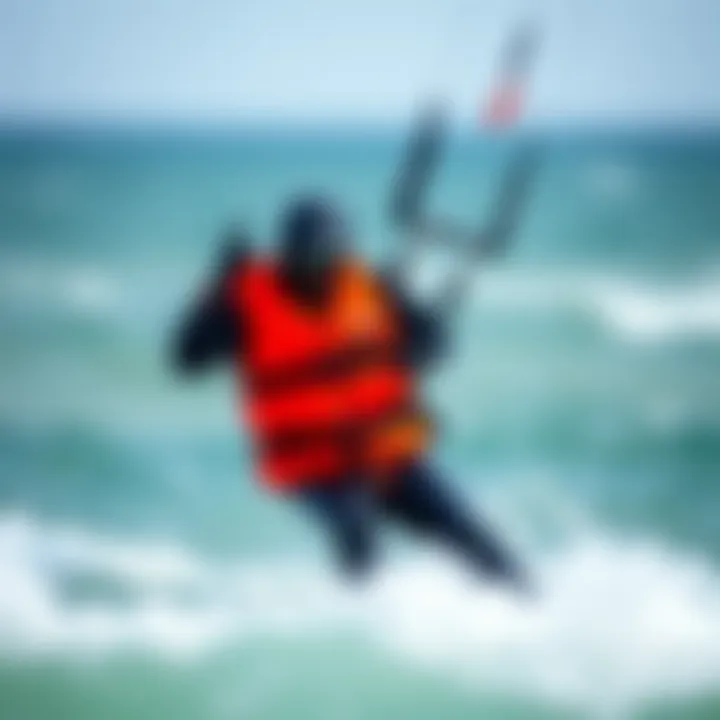
- Body Positioning: With variable wind, subtle changes in stance can significantly affect performance. Staying low can help maintain control, especially when the wind picks up unexpectedly. Crouching reduces drag and stabilizes the kite.
- Control of the Kite: Pay attention to your kite’s positioning. In shifting winds, it’s vital to keep the kite higher in the window to avoid lulls. Conversely, in stronger gusts, pulling down hard can help maintain stability and keep the board gliding smoothly above the water.
- Timing Turns: Wind changes can occur quickly along the shoreline. Being resourceful with turns, timing them just right as you feel wind shifts can help prevent sudden drops and give you a more exhilarating ride.
- Speed Regulation: Modulating your speed is another adjustment to consider. If you find yourself flying across the water devoid of control, a few quick pulls on the back lines can slow you down while still keeping your kite powered.
"Adjustments to technique are just as important as gear selection; the two work hand in hand to ensure a successful kiteboarding experience on Lake Erie."
The Role of Local Communities and Initiatives
Local communities and initiatives are the backbone of kiteboarding in Lake Erie. They provide the support network essential for kiteboarders, covering everything from safety protocols to sharing local knowledge about weather conditions. Being good neighbors on and off the water fosters a more respectful and informed experience, enhancing everyone's enjoyment.
Kiteboarding Clubs and Organizations
Participating in organized kiteboarding clubs such as the Great Lakes Kiteboarding Association not only connects enthusiasts to a wider community but also offers incredible resources. These clubs often host regular meetings, workshops, and informal gatherings that allow members to discuss the best spots, weather conditions, and equipment choices. This local knowledge is invaluable; new kiteboarders can quickly learn what wind patterns favor specific locations, which are crucial for having a successful outing.
Clubs also facilitate educational programs, where experienced kiteboarders can mentor newbies, ensuring that safety stays a priority. Training courses often cover important topics, such as understanding local regulations, recognizing hazardous weather conditions, and learning first-aid basics. This not only enhances individual confidence but also ensures community safety on the water.
Community Events and Competitions
Community events like kiteboarding competitions, beach clean-ups, and skill-sharing workshops serve as a binding agent among local kiteboarders. Events can run the gamut from friendly competitions to festivals that celebrate everything about kiteboarding. These gatherings do more than just allow participants to test their skills; they also offer opportunities for kiteboarders to network and share insights about the best times to kite and the safest practices in varying weather conditions.
Competitions, whether serious or lighthearted, can also help raise awareness about local environmental issues and the importance of preserving the waters they enjoy. Furthermore, prizes often serve as excellent incentives for participation and improvement, driving kiteboarders to hone their skills.
In summary, local initiatives and clubs foster a sense of community among kiteboarders, promoting safety, cooperation, and knowledge-sharing. The camaraderie felt at events and through local organizations is what makes kiteboarding on Lake Erie not just a sport, but a community experience.
"Joining a kiteboarding club feels like finding family; the shared passion and collective experiences enrich every session on the water."
Useful Links
By engaging in local communities, kiteboarders can significantly enhance their Lake Erie experience while ensuring they are part of a valued network that supports and uplifts one another.
Future Trends in Kiteboarding Weather Analysis
Understanding future trends in kiteboarding weather analysis is crucial for kiteboarders aiming to enhance their experience on Lake Erie. As technology advances, the ability to predict and analyze marine weather phenomena becomes more refined and accessible. This section explores developments that are reshaping how enthusiasts engage with kiteboarding conditions.
Technological Advances in Weather Monitoring
Recent breakthroughs in weather monitoring technologies have opened new avenues for kiteboarders. Innovations like drones equipped with meteorological sensors, remote weather buoys, and mobile weather apps have become vital tools in understanding real-time conditions. For instance, drones can capture live footage of wind patterns over the lake, allowing kiteboarders to make quick and informed decisions based on up-to-the-minute data.
In addition, satellite imaging technology can track storm systems and wind currents, providing insights that were once the realm of meteorologists. As these technologies become more widespread, they empower kiteboarders with localized information that can significantly enhance safety and performance. The use of AI algorithms to analyze historical weather data also allows for better predictions about wind and temperature fluctuations, making it easier to spot patterns that can benefit kiteboarding sessions.
Key Advantages of Technological Monitoring:
- Enhanced Safety: Early warning systems for sudden weather changes can prevent dangerous scenarios.
- Informed Decisions: Access to accurate real-time data helps kiteboarders choose the best times and locations for their activities.
- Community Sharing: Platforms and apps that allow users to share conditions enhance awareness and provide a collective resource for kiteboarders.
The Importance of Data-Driven Decisions
In today’s world, making data-driven decisions is essential, especially in dynamic environments like Lake Erie. Kiteboarders who rely on empirical data rather than intuition or anecdotal evidence can optimize their time on the water while mitigating risks. For example, understanding wind shear and how it might affect their ride can lead to better technique and equipment choices.
Using weather analytics tools improves not just personal performance but contributes to the overall kiteboarding community. Engaging with online forums and platforms, such as Reddit and Facebook groups, where real-time data and experiences are shared, can deepen an individual's understanding of weather trends and their impacts.
Factors Influencing Data-Driven Kiteboarding Choices:
- Customized Analytics: Data tailored to individual locations and typical kiteboarding patterns allows for specific adaptations.
- Continuous Feedback: Ongoing analysis of performance metrics based on weather conditions facilitates ongoing learning and improvement.
- Trend Awareness: Staying informed about long-term weather trends helps kiteboarders plan trips and avoid potential hazards.
Data isn't just numbers—it's a story that helps us navigate the nuances of our environment.
By embracing these upcoming trends in weather analysis, kiteboarders can not only improve their own riding experiences but also contribute to a thriving, informed community that is connected through shared knowledge and safety practices.