Kitesurfing in Turks and Caicos: A Complete Guide


Intro
Kitesurfing in the Turks and Caicos Islands is not just a sport; it’s an experience that intertwines adrenaline, nature, and community. The islands, with their pristine beaches and crystal-clear waters, have carved out a niche for themselves in the world of water sports. With winds that seem to dance upon the ocean's surface, kitesurfing here caters to everyone, from those who are dipping their toes in for the first time to seasoned veterans looking to hone their craft.
The optimal conditions, combining steady trade winds and shallow lagoons, create a playground where enthusiasts thrive. But it’s not merely about the thrill; it’s also about understanding the nuances of the sport and the local culture that supports it. This article will explore pivotal concepts for kitesurfing, such as techniques, equipment, safety practices, and opportunities for growth within the community.
Techniques The Foundation of Kitesurfing Mastery
"Good technique is the foundation that will carry you through your entire journey as a kitesurfer."
Whether you're just starting or looking to add tricks to your repertoire, mastering techniques is essential. Here we break it down into beginner techniques and advanced maneuvers that can lift your skills to new heights.
Beginner Techniques
For those just starting, the focus should be on understanding balance and control. The first steps often involve:
- Kite Control: Learning to fly the kite without getting swept away.
- Body Dragging: Familiarizing oneself with the water while being pulled by the kite.
- Water Start: Transitioning from dragging to riding allows beginner kitesurfers to feel the thrill of gliding across the surface.
When learning, it’s essential to take it slow and listen to instructors. Pay attention to the wind direction and how your body interacts with it. A clear understanding will lay a solid foundation for future progress.
Advanced Maneuvers
Once the basics are in your muscle memory, the next phase involves finesse. This could include:
- Jumping: Mastering the art of launching off the water and executing tricks mid-air.
- Transitions: A smooth switch in directions that keeps your momentum flowing.
- Tricks: With names like "Backroll" and "Kite Loop," these are where creativity shines and personal style emerges. The key to performing these advanced moves lies in confident kite handling and understanding of timing
Practicing these maneuvers in varied conditions sharpens your adaptability and makes you a well-rounded kitesurfer.
Equipment Reviews Where Innovation Meets Performance
Selecting the right gear significantly influences your kitesurfing experience. The market is bustling with equipment tailored for various skill levels. The following sections explore essential components of the sport, specifically focusing on kites and boards that stand out for their performance and reliability.
Kite Reviews
A kite is your engine. The right one can mean the difference between a smooth ride and a tough day on the water. Consider:
- Cabrinha Switchblade: Known for its versatility, it performs well across wind conditions.
- North Evo: Excellent for beginners, this kite offers a forgiving feel in the air.
Each kite offers distinct features that cater to different audiences, and knowing where each excels will lead to informed decisions.
Board Reviews
The board is equally crucial, influencing speed, control, and comfort. Some noteworthy choices include:
- Slingshot Lunacy: Ideal for those aiming for high performance, it cut through water like a hot knife through butter.
- Naish Monarch: This board caters to both beginners and advanced riders, bridging the gap effectively.
Choosing the right board is about finding the right fit for your style and the conditions you plan to ride in.
In the next section, we will delve into local insights and safety protocols that ensure a rewarding kitesurfing experience in this breathtaking location.
Intro to Kitesurfing
Kitesurfing has steadily gained traction over the past few decades, transforming from a niche sport into a mainstream attraction adored by thrill-seekers worldwide. This article spotlights kitesurfing in the enchanting Turks and Caicos Islands, a destination where tranquility meets excitement. For kiteboarders, instructors, and those coaching water sports, understanding the ins and outs of kitesurfing is paramount. It’s not just a sport—it’s an experience that intertwines skill, wind, and water, creating something akin to a dance with nature.
Kitesurfing encompasses various elements such as wind conditions, necessary gear, and the techniques to ride effectively. Each of these components adds layers to the overall experience, making it crucial for enthusiasts to grasp them. While kitesurfing can appear daunting to beginners, it offers an exhilarating payoff: a sense of freedom as one glides across azure waters under the whisper of wind.
There are considerable benefits to engaging with this sport, especially in a locale like Turks and Caicos where the environment complements the activity. From improving physical fitness to honing mental resilience, kitesurfing cultivates a range of skills. Yet, it's not all smooth sailing. The sport comes with its own set of considerations and challenges, such as understanding safety protocols, assessing local conditions, and respecting fellow riders.
Equipped with knowledge about kitesurfing's history, its evolution, and the specific allure of Turks and Caicos, readers can make informed decisions to enhance their kitesurfing journey. Investigating these aspects also reveals how kitesurfing embodies much more than just riding the waves; it's a lifestyle of adventure that deeply connects participants with nature.
The Evolution of Kitesurfing
Kitesurfing's roots reach back to ancient cultures that utilized kites for various purposes, but its modern incarnation began taking shape in the late 20th century. The blending of surfing and kiting seemed almost inevitable, as enthusiasts sought ways to harness wind power creatively. In the early 1990s, pioneers experimented with different types of kites, leading to the development of inflatable kites. This innovation marked a turning point, as it made kitesurfing accessible to a broader audience.
As kitesurfing evolved, so did the equipment and techniques involved. The introduction of safety features, such as quick-release mechanisms and larger boards for stability, enhanced the sport's appeal. Now, it’s not uncommon to see competitors launching themselves into the air, performing impressive tricks that showcase their mastery of the sport. This growth in skill and equipment sophistication underscores a constant drive for innovation among kitesurfers.
Kitesurfing's rise in popularity is, in part, thanks to its global community that actively shares knowledge and experiences. Online forums such as Reddit provide platforms for kitesurfers to connect, while instructional videos on platforms like YouTube allow newcomers to learn techniques from the comfort of their homes. This community aspect not only bridges gaps between different skill levels but also fosters a sense of camaraderie.
Why Turks and Caicos?
Turks and Caicos stands out as a premier destination for kitesurfing, and it’s not just for the postcard-worthy beaches. The consistent trade winds and warm waters make the islands a veritable paradise for both amateur and seasoned kitesurfers. The geography of the islands enhances the kiting experience; with shallow lagoons and sprawling stretches of beach, riders can enjoy varied conditions tailored to their skill levels.
Moreover, the local culture embraces water sports, creating a welcoming atmosphere for kitesurfers. Engaging with the community through local events or competitions adds richness to the kitesurfing experience. Additionally, the island's commitment to preserving its natural beauty from environmental impacts further attracts eco-conscious kitesurfers.
With favorable wind conditions, breathtaking landscapes, and a supportive community, Turks and Caicos is not merely a great place to kitesurf—it's a genuine haven for those who cherish the thrill of riding the waves.
Understanding the Geography
When it comes to kitesurfing, the geographical elements of a location play a huge role in determining the experience one can have. For Turks and Caicos, understanding the geography is essential not only for selecting the best spots to ride but also for comprehending the wind patterns and other environmental factors that come into play. The islands’ unique formations, shallow waters, and consistent winds are conducive to this sport, making it a playground for both novice and seasoned kiteboarders.
Islands Overview
The Turks and Caicos Islands consist of about 40 islands and cays, but only a handful are inhabited. The two most populated islands, Grand Turk and Providenciales, serve as hubs for kitesurfing due to their accessibility and infrastructure.
Each island offers varying levels of tranquility and thrill, appealing to different types of kitesurfers. The geography ranges from rocky cliffs to soft sandy beaches, perfectly complementing the vast ocean surrounding these islands. The shallow coral reefs protect the coastline while creating a stunning backdrop for kitesurfing.
Best Kitesurfing Locations
Long Bay Beach
Long Bay Beach is a gem in the Turks and Caicos crown, famous for its vast expanse of sandy shores and crystal-clear waters. The key characteristic of Long Bay is its flat water conditions, making it ideal for beginners who are still getting their feet wet in this thrilling water sport.
The beach features steady trade winds, which blow consistently from the east, providing perfect conditions throughout the year. One unique feature is the shallow depth of the lagoon area just off the shore. This brings both advantages and disadvantages. On the upside, newcomers can practice without much fear of hitting rocks or obstacles. However, during lower tides, some areas may be too shallow, limiting access for larger kites.
Grace Bay Beach
Grace Bay Beach is often touted as one of the most beautiful beaches in the world, and for good reason. The key characteristic here is its popularity, with plenty of amenities nearby, including restaurants and accommodations. These factors make it a beneficial spot for kitesurfers looking to combine adventure with convenience.
The steady winds and moderate wave size make it also an excellent area for intermediate riders to practice their maneuvers. The unique feature of Grace Bay is its vibrant atmosphere; however, it can get crowded, especially during peak tourist season, which could lead to interference while out on the water. Kitesurfers here need to be vigilant, respecting others’ space while enjoying their ride.
North Caicos
North Caicos is a less populated island and offers a different flavor compared to Grand Turk and Providenciales. Its key characteristic is the vast, untouched landscape, making it a popular choice for those wanting to escape the hustle and bustle of busier areas. The deep blue lagoons and expansive beach spaces create a serene environment, perfect for those serious about kitesurfing without distractions.


One unique feature of North Caicos is the access to hidden spots that might not be known to many tourists. Such seclusion has its advantages, particularly for advanced riders looking to perfect their tricks or simply enjoy an undisturbed session. However, the trade-off is that the available facilities are limited, and kitesurfers must plan ahead regarding food and other necessities.
Wind Conditions and Climate
Understanding the wind conditions and climate is crucial for anyone looking to kitesurf in Turks and Caicos. The right wind patterns can make all the difference between a thrilling ride and a frustrating day on the water. Here, we’ll delve into some essential aspects that define kitesurfing experiences in this paradise.
Ideal Wind Patterns
The sweet spot for kitesurfing lies in the consistent trade winds that grace these islands. Generally, the winds blow from the east-northeast at speeds that range between 15 to 25 knots. This makes for fantastic conditions whether you're a greenhorn or an old hand at the sport. Here are some important factors to consider when it comes to the ideal wind patterns:
- Steady Wind: The reliability of the winds is paramount. On most days, you can expect the breeze to kick in around mid-morning, building up strength as the sun rises higher.
- Direction Matters: The east-northeast winds provide an ideal side-onshore angle. This angle allows for safe launching and landing, minimizing risks during your kitesurfing endeavors.
- Wind Forecasting: Understanding how to read weather forecasts and wind charts can enhance your kitesurfing sessions. Websites like Windy (https://www.windy.com) and NOAA (https://www.weather.gov) can be very useful. You’ll want to keep your eyes peeled for days when the wind consistently stays above 15 knots – that’s typically the sweet spot.
Key Takeaway: Good wind means better kitesurfing sessions. Familiarizing yourself with the wind patterns could set you up for a successful day on the water.
Seasonal Considerations
The best time for kitesurfing in Turks and Caicos stretches from late November through to August. However, just like everything else, there are nuances to be aware of. Each season brings its own character:
- Winter Months: From December to March, the winds tend to be most consistent and powerful. These months see the highest tourist traffic. Early morning sessions can be particularly rewarding before the sea breezes kick in.
- Spring and Early Summer: As the weather warms up, the winds may become a bit more fickle. However, they are still generally suitable for kitesurfing. Expect a mix of moderate winds, especially in late April and May.
- Late Summer: From June to August, the winds can get lighter, but the water is pleasantly warm. This period also sees the potential for tropical storms, so keeping an eye on weather reports becomes essential.
In summary, being aware of wind conditions and seasonal changes is a must for anyone aiming to make the most of their time kitesurfing in Turks and Caicos. It can be the make-or-break factor in enjoying the sport to its fullest.
Essential Gear for Kitesurfing
When it comes to kitesurfing, having the right gear isn't just about style; it's about performance and safety. The equipment you choose impacts your experience on the water, whether you are a seasoned pro or just starting out. In Turks and Caicos, where the conditions can be diverse, investing in quality kitesurfing gear can make all the difference.
Types of Kites
Kites are the heart and soul of kitesurfing. Different types serve varied purposes and experiences. Here’s a quick rundown of the main categories:
- Inflatable Kites: These are often favored by beginners due to their stability. They are easy to relaunch and provide a consistent pull through varied conditions.
- Foil Kites: Known for their efficiency, these kites are excellent in light winds. They have no bladders, which makes them lighter and easier to travel with, but they may require a bit more skill to operate.
- Hybrid Kites: As the name suggests, they combine features of both inflatable and foil kites. Suitable for various conditions, they provide an enjoyable balance of speed and stability.
Choosing the right kite can depend on several factors including wind conditions and rider skill. A good rule of thumb? Opt for a kite that stands well in the wind conditions typical of your planned locations in Turks and Caicos.
Boards and Accessories
Just like the kite, the board is a crucial component of kitesurfing gear. There are multiple styles of boards, each suited for different conditions and rider preferences:
- Directional Boards: Best for waves, these boards allow for smooth turns and excellent carving ability.
- Twin-Tip Boards: Ideal for freestyle tricks, they allow the rider to ride in both directions. Their symmetrical shape is perfect for beginners.
- Surfboards: If you're into riding the waves like a pro, these are your go-to. They are generally larger and offer more volume.
In addition to the board and kite, you’d want to consider some essential accessories:
- Kite Leash: This is your safety net. If you ever lose control, the lease prevents the kite from flying away, potentially causing danger.
- Bar and Lines: Quality control bars and lines ensure a smooth kiting experience. Check that they’re sturdy and cut-resistant to withstand tugging.
- Footstraps or Bindings: Depending on your board type, footstraps are essential for keeping your feet secured; bindings provide a snug fit often preferred by more experienced riders.
Safety Equipment
While kitesurfing is exhilarating, it also comes with its own set of risks. That’s where safety equipment comes into play. Here are some essentials:
- Life Vest: A buoyancy aid is critical. It keeps you afloat and makes it easier to paddle back to safety.
- Helmet: Protecting your noggin is non-negotiable, especially when learning or performing tricky maneuvers. A properly fitted helmet can prevent serious injuries.
- Impact Vest: Offers added protection against rough landings or crashes. It can absorb shock if you take a tumble.
- First Aid Kit: Always a smart idea to have a compact first aid kit on hand, stocked with basics like band-aids, antiseptic wipes, and pain relievers.
Yes, it may seem like an unnecessary expense, but consider it an investment in your safety.
"In kitesurfing, as in life, preparation and the right gear are key to maneuvering through challenges smoothly."
Understanding what equipment you need is essential for an enjoyable experience. Whether you're navigating through challenging currents or enjoying calm winds at Long Bay Beach, being well-equipped not only enhances performance but also ensures you enjoy every moment on the water. Always prioritize safety as you embrace the thrill of kitesurfing in the beautiful Turks and Caicos.
Techniques for Beginners
When it comes to conquering the waves, mastering the basics is key. The techniques for beginners in kitesurfing can mean the difference between a hassle and an exhilarating experience. In this section, we'll break down the essentials that newcomers need to know—not just to float, but to genuinely enjoy their time on the water while keeping safety in mind.
Getting Started
Getting started with kitesurfing entails more than just hopping on a board and flying a kite. It requires a solid understanding of how the equipment works, recognizing wind patterns, and learning to balance on the board. Take, for instance, the feeling of controlling the kite in the wind. The excitement of seeing the kite respond to your movements is part of the thrill. Beginners typically begin with lessons, which are invaluable in developing a sense of confidence and competence before heading out solo.
Essential Skills to Master
To truly get the most out of your kitesurfing experience, there are two essential skills that every beginner should focus on honing.
Launching and Landing
Launching and landing are core skills in kitesurfing that can significantly impact safety and enjoyment. Launching the kite involves raising it into the wind, which can be tricky, especially if the wind picks up unexpectedly. The technique is not just about brute strength; it requires a good understanding of kite control and wind dynamics.
Key characteristic: A smooth launch leads to a less chaotic entry into the water. Beginners often find themselves frustrated if they don't get this right, so practicing with a qualified instructor can be a game changer. The unique feature of mastering this skill is that it sets the groundwork for successful rides. If the launch goes well, there's a higher chance of having a pleasurable session.
Advantages:
- Increases confidence
- Minimizes the risk of accidents
- Enhances the overall kitesurfing experience
Disadvantages:
- It may take time to master
- Requires patience and practice under supervision
Riding Techniques
Riding techniques are crucial for anyone looking to progress beyond the beginner phase. Initially, most learners will simply be trying to stay upright, which is linked to body positioning and balance. Understanding how to shift weight on the board seamlessly can transform an average ride into something exhilarating.
Key characteristic: An effective riding technique combines body movements with kite control. Beginners often chase the thrill of speed and agility, but it’s essential to grasp the fundamentals first. The unique aspect here is the adjustment one must make based on wind conditions and personal comfort.
Advantages:
- Grants greater control over your movements
- Fosters faster progression into more advanced maneuvers
- Heightens enjoyment throughout the session
Disadvantages:
- May cause frustration in the early stages
- Requires physical conditioning and practice
"Every expert was once a beginner. The journey of mastering kitesurfing begins with patience and practice."
Perfecting these skills not only paves the way for future enjoyment but also ensures a safe and thrilling time on the waters of Turks and Caicos.
Intermediate and Advanced Techniques
Understanding and mastering intermediate and advanced kitesurfing techniques is essential not just for skill enhancement, but also for enjoying the full thrill that kitesurfing has to offer. As users progress beyond the basics, techniques become more complex and requires a deeper understanding of weight distribution, wind patterns, and board control. This knowledge allows surfers to perform tricks and maneuvers that not only elevate their performance but also enhance safety when tackling challenging waters.
Tricks and Maneuvers
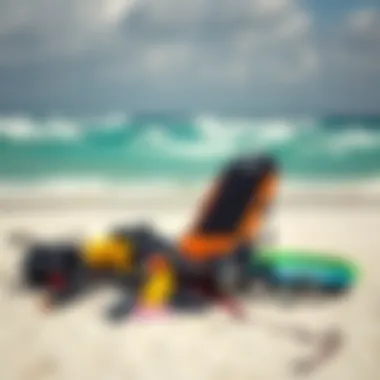

When it comes to kitesurfing, executing tricks and maneuvers can feel like a right of passage for many riders. Many beginners may look at intermediate riders and feel a bit envious of their ability to perform graceful jumps or daring flips. Here are some popular tricks to consider mastering:
- Jumping: The foundational maneuver for many advanced tricks, leaping off the water helps develop familiarity with air time. Focus on the right timing between popping off the water and pulling on the bar for added height.
- Surfing the Wave: Incorporating surfboard moves into kitesurfing can bring a new flavor to your sessions. Riding a wave while controlling the kite for speed can lead to an exhilarating experience.
- The Back Roll: When performed correctly, it looks effortless and stunning. This maneuver starts with a solid jump, followed by leaning back and rotating to land back on the water.
It is also important to practice these tricks safely. Learning in a controlled environment and having safety gear to protect oneself against unexpected falls is crucial. Practicing tricks with friends provides handy tips and ensures safety in a fun way.
Improving Performance
Improving performance isn’t just about stomping a trick or two; it encompasses all elements of kitesurfing. To elevate your skills, consider the following aspects:
- Body Positioning: Make sure to maintain an optimal stance while riding. Keeping knees bent and body aligned helps respond to the board's movements seamlessly.
- Fine-tuning Your Equipment: The right kite size and type can make or break your performance. Know how to adjust your kite and board to suit different wind conditions and your skill level.
- Building Stamina: Kitesurfing demands significant physical exertion. Engaging in fitness routines that target core strength, balance, and flexibility will help you last longer in the water and execute maneuvers more effectively.
- Learning From Others: Watching and learning from experienced riders can provide invaluable insights into advanced techniques. Connecting with local communities or groups often leads to sharing knowledge that elevates everyone's skills.
"The journey of mastering kitesurfing is a marathon, not a sprint. Little by little, you’ll see dividends in your performance."
By focusing on these elements, kitesurfers can adapt to different conditions, whether it's poking through waves or soaring high in the air, which is ultimately rewarding. With persistence, dedication, and proper guidance, one can not only improve performance but also open a gateway to exhilarating experiences on the water.
Local Kitesurfing Schools and Instructors
Kitesurfing, although exhilarating, demands significant skill and understanding of the elements involved. For those looking to harness the power of the wind and wave in a safe manner, local kitesurfing schools and instructors are invaluable. They not only provide essential training but also ensure that beginners develop their skills correctly from the outset. As the saying goes, "A good teacher is like a candle—it consumes itself to light the way for others." This couldn't be truer in the sport of kitesurfing, as a knowledgeable instructor can make a world of difference in how quickly one becomes comfortable on the water and the safety of their practice.
With its pristine beaches and consistent winds, Turks and Caicos boasts some of the most reputed schools in the world. These institutions offer well-structured lessons ranging from beginner to advanced levels, tailored to suit individual learning speeds. Moreover, local kitesurfing schools foster a sense of community among water sports enthusiasts, making it more than just a learning experience. After all, making friends while mastering the art of kitesurfing is what many riders cherish.
Top Schools in the Area
When considering kitesurfing schools in Turks and Caicos, you’re presented with several options. Each school has its unique strengths, approaches to teaching, and environments that attract different types of students. Here are a few standout options:
- KiteProvo: This school is famous for its vast experience and friendly instructors. Operating at Long Bay Beach, they cater to both beginners and seasoned kitesurfers. Students rave about their comprehensive lesson plans and safety protocols.
- Big Blue Collective: Offering a diverse range of water sports, Big Blue is situated near Grace Bay. Their kitesurfing instruction includes a mix of on-the-water learning and supportive feedback, ensuring students grasp techniques quickly.
- Turks and Caicos Kitesurfing: Focusing on personalized lessons, this school emphasizes small class sizes. This approach allows for tailored instruction, making sure each learner receives the necessary attention to hone their skills effectively.
These establishments not only focus on skill development but also prioritize safety and environmental consciousness, which are essential in practicing kitesurfing responsibly.
Choosing the Right Instructor
Selecting the right instructor is just as crucial as the school itself. Not every instructor fits every student, and it’s important to find someone whose teaching style aligns with your learning needs. Here are several factors to consider when choosing an instructor:
- Experience and Qualifications: Look for instructors who are certified by recognized kitesurfing organizations, such as IKO (International Kiteboarding Organization) or PASA (Professional Air Sports Association). Their credentials often signify a deeper understanding of safe practices and teaching methodologies.
- Teaching Style: Some instructors may prefer a hands-on approach, while others might encourage self-discovery. It’s beneficial to discuss your preferred learning style before committing to lessons.
- Personality Fit: Kitesurfing is as much about enjoying the experience as it is about learning. Finding an instructor you resonate with can enhance your overall experience. If your instructor makes you feel comfortable, you are likely to learn more effectively.
- Reviews and Feedback: A quick search on social media platforms or review sites can provide insights into the experiences of previous students. Recommendations can go a long way in highlighting the effectiveness of an instructor.
Ultimately, a good instructor not only teaches you how to kitesurf but also makes the learning experience fulfilling and enjoyable. Remember, you’re cultivating a skill that can provide a lifetime of adventure and joy.
In the realm of kitesurfing, the right instructor can turn a daunting experience into a thrilling adventure.
Safety Protocols for Kitesurfing
Safety in kitesurfing is not just an option; it’s a necessity. Engaging in this exhilarating sport without proper safety measures can lead to serious accidents or even fatalities. In the pristine waters of Turks and Caicos, where the winds sing and the waves beckon, understanding safety protocols becomes paramount for kiteboarders of all skill levels. It’s about ensuring not just your safety, but also the well-being of those around you. This section dives into the vital elements of safety precautions and the tangible benefits they offer.
Understanding Risks
Kitesurfing inherently involves risks that can fluctuate depending on weather conditions, equipment quality, and skill levels. Here are some critical risks to consider:
- Wind Variability: The winds in Turks and Caicos can shift quickly, transforming a serene ride into a chaotic struggle. Knowing how to read wind patterns is crucial.
- Water Hazards: Hidden submerged rocks or reefs can pose a significant threat, especially to those who push their limits.
- Equipment Failure: A frayed kite line or a faulty harness can lead to disastrous consequences. Regular gear inspections are essential.
- Inexperienced Riders: Sharing the water with novice riders can be tricky. They might not understand the area’s rules or their limits, leading to collisions.
By being aware of these potential dangers, riders can prepare accordingly. Knowing what to expect can often mean the difference between a thrilling adventure and a dire situation.
Emergency Procedures
Should the unforeseen occur, having a plan in place can mean saving your own life or that of a fellow kiter. Here are some fundamental emergency procedures every kitesurfer should follow:
- Know Your Signals: Establish hand signals with friends or instructors that indicate when you need help. A simple raised arm can mean distress.
- Self-Rescue Techniques: Familiarize yourself with self-rescue methods. For instance, if your kite goes down, learn how to get back to shore without panicking. The technique often involves steering your kite downwind to help direct you back to safety.
- Emergency Equipment: Always have safety gear like a knife to cut lines, a whistle, or a flotation device. These small items can be lifesavers in situations of struggle.
- Buddy System: Never kitesurf alone. Having someone nearby can greatly help in case of emergency incidents. Your buddy can assist with rescues and provide guidance.
- Local Knowledge: Before taking to the water, become familiar with the area’s emergency protocols. Some spots may have emergency rescue teams or lifeguards on standby.
In the event of an accident, it’s crucial to stay calm. Panicking can lead to poor decisions. Rather, assess the situation, communicate your needs clearly, and take calculated steps.
Remember: Safety is as much about preparing for challenges as it is about enjoying the ride.
Kitesurfing in Turks and Caicos is an awe-inspiring experience, but it’s wise to prioritize safety. By understanding the risks and preparing for emergencies, riders can immerse themselves in the thrill of the sport while safeguarding their lives and those around them.
Kitesurfing Etiquette
In the thrilling world of kitesurfing, where the winds and waves create a dance of adrenaline and freedom, maintaining proper etiquette is crucial. This not only ensures a safe experience for everyone involved but also fosters a sense of community among riders. Whether you're a seasoned pro or a newbie picking up the tricks, understanding the dos and don'ts can greatly enhance your time on the water.
Waves are like jam sessions, and the smoother the flow, the better the ride for all. Adhering to kitesurfing etiquette is like playing your part in a symphony—each note contributes to the overall harmony.
Respecting Other Riders
Respect goes a long way in sharing the open waters. Kitesurfers must be aware of their surroundings, including other riders, swimmers, and any obstacles in the vicinity.
One key aspect is keeping your distance. A common rule of thumb is to maintain at least a kite's length away from others. This not only minimizes risks of collisions but also allows everyone to navigate freely.
When you’re making turns or moving about, consider right of way. Riders who are downwind have the right to pass, so if you're upwind, create space. This isn't just a friendly gesture; it's a safety measure. Falling or crashing into another kitesurfer could lead to serious injuries.
Furthermore, when launching or landing your kite, do so in a designated area, signaling your intentions to avoid any surprise encounters.
Environmental Awareness
As much fun as kitesurfing is, it comes with a responsibility to protect our oceans and the surrounding environment. Being aware of local wildlife and ecosystems is essential. For instance, in Turks and Caicos, you can find delicate coral reefs and diverse marine life. Getting too close while kitesurfing can disturb these habitats.
Here are some best practices:
- Stay away from sensitive areas. If you see signs indicating protected zones, respect them.
- Avoid littering. Pack out what you bring in, keeping the beaches clean for future visitors.
- Educate yourself. Understanding local species and ecosystems can enhance your appreciation for the location and its inhabitants.
The kitesurfing community is growing, and with that comes an increased need for environmental stewardship. When everyone plays a part in preserving the beauty of these places, the shared experience becomes even richer.
"The ocean is a mighty harmonist; respect its tune, and it will sing with you rather than against you."
By embracing these etiquette guidelines, kitesurfers contribute to a safer, more enjoyable experience for all. Remember, it’s not just about the thrill—it's about sharing that exhilaration with fellow riders and nature alike.
The Kitesurfing Community in Turks and Caicos
Kitesurfing in the Turks and Caicos isn't just a sport; it’s a way of life for many. The vibrant kitesurfing community plays a vital role in making the islands a premier destination for enthusiasts from all over the globe. The camaraderie found here is truly inspiring, marked by a shared passion for the wind and waves. One of the significant benefits of being part of such a community is the opportunity for learning and growth. Newcomers are welcomed with open arms and offered guidance, tips, and support.
The community pushes individuals to reach their potential while creating lasting friendships. It also contributes to the local economy, providing jobs and encouraging the development of kitesurfing schools, shops, and equipment rentals. This creates a robust ecosystem that further attracts visitors eager to explore the breathtaking waters of these islands.
Promoting health and fitness is another aspect often overlooked. Kitesurfing is not just about the thrill but also about well-being. The locals often organize group activities that motivate everyone to stay active, further solidifying communal bonds.
"Whether you’re a novice or a seasoned veteran, the kitesurfing community here is a treasure trove of knowledge and adventure.”


Local Events and Competitions
Local events and competitions are the heartbeat of the kitesurfing culture in the Turks and Caicos. These gatherings offer an excellent platform for riders to showcase their skills and compete in a friendly environment while fostering a sense of community. The annual Kiteboarding Challenge stands out, attracting participants from various corners of the world to compete amidst the stunning backdrop of turquoise waters. This event not only showcases talent but also brings together spectators and aspiring kitesurfers, growing the sport.
Moreover, these events serve to emphasize safety and ethics in the sport. They often include workshops and seminars focusing on proper techniques, gear usage, and environmental considerations. Engaging in such events adds layers of learning and personal growth, making it worth every moment spent.
In addition to official competitions, you can often find informal gatherings on weekends at popular spots like Long Bay Beach. These are perfect opportunities to connect, share techniques, or even just enjoy a sunset after a thrilling day on the water.
Meeting Other Enthusiasts
Meeting fellow kitesurfing enthusiasts is a fundamental part of the experience. From sunrise to sunset, you'll find passionate riders eager to exchange stories, share tips, or simply enjoy the beauty of nature together. Many find their friendships formed here are some of the most enriching in life.
Joining local clubs or online forums can also be beneficial. For example, social media groups often feature discussions about gear, conditions, and upcoming events. Such groups can be quite helpful for those planning their trips. Additionally, they sometimes arrange meet-ups or collaborative training sessions, fostering a supportive and informative atmosphere.
“Networking with other enthusiasts not only enhances your skills but opens doors to exploring new spots and techniques you might not have discovered on your own.“
To sum it up, being part of the kitesurfing community in the Turks and Caicos encompasses more than just riding the waves. It’s a collection of experiences and relationships that enrich everyone involved. Whether through competitions, local events, or simple meet-ups—every moment spent builds a lifetime of memories. Connecting with like-minded people propels you to new heights, and the culture surrounding it is as beautiful as the islands themselves.
Environmental Considerations
As kitesurfing continues to gain traction in the Turks and Caicos Islands, discussions around environmental considerations become increasingly important. The act of gliding across the turquoise waters, surrounded by stunning natural beauty, often prompts reflections on how our actions can impact this paradise. All enthusiasts share a common goal: to enjoy the thrill of kitesurfing while ensuring the preservation of the environment.
Impact on Marine Life
Kitesurfing, while exhilarating, can have unintended consequences on marine ecosystems. The delicate balance of ocean life can be disrupted by human activities, and kitesurfers must be mindful of how their presence affects marine habitats.
- Disturbances in Habitats: High foot traffic in sensitive areas can lead to disruption of breeding grounds and feeding zones for local fauna. For instance, seabirds nesting on remote shores might be disturbed during the kitesurfing season.
- Pollution: It is vital for kitesurfers to safeguard their surroundings. Regardless of how far away from the shore they may venture, litter or waste can find its way into the water, posing hazards to both wildlife and human users.
- Species Protection: Many marine species, like sea turtles and various fish, are protected. Riders should familiarize themselves with local regulations regarding wildlife protection and be cautious around these creatures. The vibrant ecosystems below are as crucial as the adrenaline rush above.
By acknowledging the impact kitesurfing has on marine life, riders can make more informed choices that not only enhance their experiences but also contribute to the well-being of marine environments.
Sustainable Practices
Embracing sustainable practices in kitesurfing is not merely an option; it's a responsibility for every rider. It starts with understanding how individual actions can lead to larger outcomes. Here are some practices that can be readily adopted:
- Choosing Eco-Friendly Gear: Select gear that is produced using sustainable methods. Some companies are now making boards and kites with recycled materials, reducing waste, and ensuring you are using products that have less impact on the environment.
- Education and Awareness: It's essential to stay informed about local ecosystems and their challenges. Many local organizations conduct workshops or create online resources that encourage environmental stewardship.
- Waste Management: Practice the "Leave No Trace" principle by ensuring that all rubbish is taken back with you. This not only keeps the beaches beautiful but prevents wildlife from ingesting hazardous material.
- Respect Zones: Be aware of areas designated as no-kite zones. These restrictions are often put in place to protect vulnerable marine life and ecological zones. Respecting these areas contributes to the health of the environments we cherish.
By committing to these sustainable practices, kitesurfers help foster a culture of responsibility that ensures future generations can also enjoy the breathtaking scenery and unparalleled thrills of kitesurfing in Turks and Caicos.
Engaging in responsible kitesurfing ensures that both the sport and the natural beauty of the landscape endure for years to come.
Exploring Beyond Kitesurfing
Kitesurfing in Turks and Caicos is undoubtedly a magnificent adventure, but to limit one's exploration to just this thrill is missing out on a treasure trove of experiences. The islands are a vibrant tapestry, weaving together various water sports and cultural activities that enhance your stay. An appreciation of these elements not only rounds out the kitesurfing experience but also gives participants a more profound connection to the local environment and culture. Let's dive deeper into some of these alternatives, ensuring your trip is well-rounded and enriching.
Other Water Sports
While kitesurfing draws many to the warm waters of Turks and Caicos, there is a cornucopia of other water-based activities that shouldn't be overlooked. Engaging in different water sports can offer a break from the adrenaline rush of kitesurfing, allowing you to explore various aspects of the aquatic realm.
- Windsurfing: Similar to kitesurfing but involves a sail rig attached to the board. Perfect for those who enjoy combining sailing with surfing.
- Stand-Up Paddleboarding (SUP): A serene way to enjoy the calm waters and gorgeous views. It's great for those looking to unwind and explore at a slower pace.
- Snorkeling and Scuba Diving: The rich marine life in the waters surrounding these islands is breathtaking. You’ll find coral reefs teeming with fish, making each dip an adventure.
- Jet Skiing: For a fast-paced alternative, jet skiing offers an exhilarating way to zip across the waves. It's a different kind of thrill that can be enjoyed solo or with friends.
These activities not only provide fun but also allow one to appreciate the beauty of Turks and Caicos from different perspectives.
Cultural Activities
Now, moving beyond water sports, the local culture adds another dimension to your experience. Engaging in cultural activities can provide insights into the rich heritage and traditions of the islands.
- Local Cuisine Tours: Indulge your taste buds by sampling traditional dishes. Don't miss the chance to try conch fritters or rock lobsters at local eateries. Such experiences can be very educational and satisfying.
- Music and Dance Events: The rhythm of the islands can be experienced through live music events and cultural festivals. From conch shell festivities to local music dance-offs, there's always something lively happening.
- Art and Craft Workshops: Participating in a local art workshop can give you a hand-on experience of the local crafts scene. Here’s where you can learn pottery or even conch shell design.
- Historical Tours: Understanding the history of Turks and Caicos adds layers to your visit. Explore museums or visit historical sites to learn about the native Taino people and the colonial past.
Engaging with the local culture not only enriches your travel experience but also a encourages a deeper respect for the people and traditions that define these islands.
In summary, while the pull of kitesurfing is strong, the true essence of Turks and Caicos lies in the diversity of experiences that await. From windsurfing on tranquil waters to immersing yourself into the local culture, there's something here for everyone to savor.
Planning Your Trip
When it comes to kitesurfing in the Turks and Caicos, the saying "failing to plan is planning to fail" resonates strongly. This tropical paradise, renowned for its turquoise waters and steady winds, offers a golden opportunity for both novice and seasoned kitesurfers alike. A well-structured trip can not only ensure maximum enjoyment but also significantly enhance safety and skill development. Thoughtful preparation can help you dodge common pitfalls and make the most of your experience on the waves.
Accommodation and Travel Tips
Selecting the right place to stay is paramount for any kitesurfing adventure. While there are plenty of great hotels and rentals in the area, proximity to kitesurfing hotspots like Long Bay Beach or Grace Bay can be a game changer. Booking in advance can secure better deals and options, especially during the bustling peak season. If you're traveling with a crew, consider vacation rentals where you can share costs and enjoy communal spaces.
Additionally, look at local transfer options. Renting a car might be useful if you plan to explore the islands beyond kitesurfing. Don’t forget to check out local eateries; trying the conch fritters or a fresh fish taco while share stories with fellow kitesurfers can be a highlight of your journey.
- Accommodations
- Travel Tips
- Look for spots close to kitesurfing beaches.
- Consider group rentals to save costs.
- Don't overlook local dining options for a taste of the region.
- Book flights early to snatch the best fares.
- Research airport transfers and local car rentals.
- Stay connected with local kitesurfing groups on social media for tips and updates.
Maintaining Your Gear
Kitesurfing gear is not just an investment—it’s your ticket to ride the waves. Proper care and maintenance are essential to prolonging the lifespan of your equipment. After a day of kitesurfing, rinse your gear with fresh water to remove salt and sand, both of which can cause wear and tear over time.
When packing for your adventure, consider bringing a repair kit. Damage can happen unexpectedly, and being prepared can save your day on the water. With essentials like glue, patches, and a pumping tool, you can tackle most issues before they become major setbacks.
- Gear Maintenance Tips
- Rinse equipment after each session.
- Store kites in a cool, dry place to avoid degradation.
- Carry a small repair kit to address any mishaps.
Considering the right trip plan and maintenance habits can make all the difference in your kitesurfing experience. With the right preparation, the Turks and Caicos can transform from just an exotic location to a playground for your kitesurfing passion.
"Kitesurfing is not just a sport. It's freedom under the sun, and every little detail you prep adds to the experience."
For further information on this stunning destination, consider visiting VisitTurksandCaicos.com. You might also find helpful insights from fellow kitesurfers on platforms like Reddit or Facebook.
End
As we draw the curtain on this exploration of kitesurfing in Turks and Caicos, it’s clear that the sport thrives here, not just because of the stunning landscapes, but also due to the unique conditions that this island paradise offers. Understanding the significance of what has been covered in this article holds immense value for any kiteboarding enthusiast, whether you're a city-dweller looking for an escape, a seasoned rider, or an instructor keen to impart knowledge to newcomers.
The Future of Kitesurfing in Turks and Caicos
Looking ahead, the future of kitesurfing in Turks and Caicos appears exciting but is not without its challenges. Climate change is a pressing concern, and rising sea levels could affect some of the beaches where kitesurfers currently enjoy their time on the water. Local governments, alongside passionate community advocates, are taking steps to promote sustainable tourism practices that will protect these precious environments. With kitesurfing schools continuing to grow and evolve, there is an increasing emphasis on teaching not only the skills necessary to ride but also the importance of protecting the natural beauty that draws so many to this locale.
Furthermore, advancements in kitesurfing technology and gear are set to enhance the overall experience. Equipment is becoming lighter, more durable, and easier to use, opening the doors for more participants. Industry innovations suggest that new techniques and tricks will evolve, keeping the sport fresh and engaging for both novices and veterans. The influx of annual competitions also fosters a sense of community, both among locals and tourists alike, solidifying Turks and Caicos as a prime destination in the global kitesurfing arena.
Final Thoughts
Engaging in kitesurfing in Turks and Caicos is more than just a hobby; it’s about connecting with the stunning landscapes, the wind, and the waves. For many, it becomes a part of their identity, and the thrill of slicing through the turquoise water remains unmatched. As we've explored, the island offers an impressive array of conditions, locations, and resources.
As you reflect on your own kitesurfing journey, be it a burgeoning interest or a seasoned passion, consider how the rich cultural tapestry of Turks and Caicos enhances the experience. Prioritizing safety, respecting fellow riders, and protecting the environment are key aspects that can profoundly impact the kitesurfing community.