Kitesurfing in Peru: A Complete Guide for Enthusiasts


Intro
Nestled on the western coast of South America, Peru is known for its rich culture, delicious cuisine, and stunning landscapes. However, an adventurous spirit flows through its waters, inviting thrill-seekers to embrace the art of kitesurfing. Over the years, kitesurfing has surged in popularity, transforming this nation into a coveted spot for both beginners and seasoned riders. From the sandy shores of Mancora to the windswept beaches of Pisco, Peru offers an exceptional kitesurfing experience that combines natural beauty with adrenaline-pumping sport.
In this exploration, we dive into various elements that make kitesurfing in Peru a unique pursuit. We’ll look at techniques suited for every skill level, essential equipment necessary for a safe ride, and the vibrant culture surrounding this watery pastime. Moreover, we’ll uncover environmental factors that contribute to optimal conditions and the sense of community that binds kitesurfers together. This comprehensive guide is crafted for aspiring kiteboarders, instructors, and anyone eager to gain a deeper understanding of this exhilarating sport.
Whether you're gearing up for your first session or seeking to polish your tricks, Peru’s diverse coastal offers something for everyone. Let's embark on this kitesurfing adventure together.
Prolusion to Kitesurfing in Peru
Kitesurfing has carved a niche in the hearts of adventure seekers, and Peru stands as a vibrant backdrop for this thrilling sport. While many flock to more mainstream locales, the unique geographical features and cultural richness of Peru offer a kitesurfing experience that’s anything but ordinary.
Engaging in kitesurfing here is not merely a sport; it's an immersion into the fusion of wind, sea, and cultural vibrancy. The coastal winds and consistent swells make it an ideal training ground for both novice and seasoned kitesurfers. For those looking to expand their skills, participating in local kitesurfing communities adds layers of enjoyment that go beyond the thrill itself.
Understanding the nuances of kitesurfing in Peru involves evaluating various elements. The country's geophysical makeup, with its stunning beaches alongside dramatic cliffs, creates a playground for those eager to ride the waves. Kiteboarders often find themselves captivated not just by the excitement of the sport, but by the local lifestyles, the spirited camaraderie among fellow enthusiasts, and the breathtaking natural landscapes surrounding them.
Local events and friendly competitions allow newcomers to dive right in, connecting them with fellow kitesurfers and immediately integrating them into the community. In this melting pot of adventure and culture, kitesurfing serves as a bridge that links individuals of diverse backgrounds, uniting them in a shared passion for the water.
Moreover, the practical switches in equipment and techniques that kitesurfers need to master are abundant. With instructors available throughout the popular spots, anyone can pick up the basics or refine their skills under the guidance of experienced locals. In this way, Peru not only offers beautiful waters but also a supportive ecosystem for anyone looking to further their kitesurfing journey.
In summary, this introduction to kitesurfing in Peru paints a picture of opportunity and adventure. With a rich combination of favorable conditions and a vibrant community spirit, it's a landscape where kitesurfing can truly thrive.
Geographical Overview
Understanding the geographical context of kitesurfing in Peru is vital for enthusiasts and professionals alike. The country boasts an extensive coastline along the Pacific Ocean, which significantly influences the kitesurfing conditions. Certain areas along this rugged edge serve as prime spots for both beginners and advanced riders. The unique geographical features of the terrain, including wind patterns and waves, are crucial for anyone looking to make the most of their kitesurfing experience in Peru.
Coastal Regions Favorable for Kitesurfing
Peru's coastline offers a variety of kitesurfing destinations, each with distinct characteristics. Key locations include:
- Punta Hermosa: Known for its consistent winds and warm waters, Punta Hermosa is a kitesurfer's paradise. The sandy beaches are not only inviting but also provide ample space for launching and landing kites.
- Paracas National Reserve: This region features stunning landscapes and reliable wind conditions. The natural beauty of the reserve is a significant draw for kitesurfers seeking both adventure and aesthetic pleasure.
- Máncora: With its crystal-clear waters and vibrant atmosphere, Máncora has become a hotspot for kitesurfers and vacationers alike. The winds here can produce exhilarating conditions suitable for all skill levels.
- Vichayito: A tranquil alternative to more crowded spots, Vichayito offers steady winds and a relaxed vibe, perfect for those looking to enjoy kitesurfing without the hustle and bustle.
These coastal regions highlight the variety of conditions available, allowing kitesurfers to choose locations that align with their skills and preferences.
Impact of Weather Patterns
The weather in Peru plays a crucial role in kitesurfing activities. The consistent trade winds along the coast create ideal conditions for kitesurfing, especially during the months from May to September. During this period, the winds tend to be more reliable, providing an excellent backdrop for riders to practice their techniques or learn new skills.
However, it's essential to be aware of potential changes in weather patterns. Sudden storms or fluctuations in wind strength can affect the surf conditions, which is why keeping an eye on local weather forecasts before heading out is prudent.
In addition:
- Wind Direction: The best kitesurfing conditions often occur when winds blow offshore or side-shore, which can generally be found in certain coastal areas.
- Temperature: The climate in various parts of Peru can differ significantly. Warmer temperatures in places like Máncora provide comfortable sessions, while cooler areas like Punta Hermosa need some consideration for temperature during extended sessions.
By understanding these weather-related nuances, kitesurfers can enhance their experience and ensure they are well-prepared for the conditions they may face when hitting the waves.
Top Kitesurfing Locations in Peru
Kitesurfing in Peru is not merely a pastime; it's a passion for many. The country's vast coastline and varied wind conditions make it a top destination for kitesurfers, both beginners and experts. Selecting the right location is crucial. Not only do these spots offer suitable winds and waves, but they also provide the context for community engagement and a deep appreciation of local culture. Each spot has its unique character and atmosphere that enhances the experience for anyone taking part.
Punta Hermosa
Punta Hermosa is often labeled as the crown jewel of kitesurfing in Peru. Nestled just south of Lima, this spot offers a blend of reliable winds and gentle waves, perfect for those looking to hone their skills. The beach is a haven for both novice and seasoned riders, boasting an array of schools and rental shops. Here, one can find an energetic atmosphere, filled with fellow enthusiasts and instructors eager to share their love for the sport. The predominant winds blowing from the south create conditions that are typically favorable from mid-morning to dusk.
"Punta Hermosa embodies the spirit of kitesurfing in Peru, where each gust of wind beckons adventurers to take to the waves."
Unfortunately, as with any popular location, busier periods can lead to crowded waters. As you glide over waves, you may also encounter local surfers who are sharing the same stretch of ocean. This can foster a sense of camaraderie among water sports lovers but comes with the necessity for attentiveness and respect.
Paracas National Reserve
The Paracas National Reserve offers a dramatic backdrop for kitesurfing. With desert landscapes transitioning into the ocean, it's not just the winds that make it special but also its raw beauty. The wind here tends to be stronger and more consistent, drawing more experienced kitesurfers looking for a challenge.


One important aspect of kitesurfing in Paracas is its unique ecosystem. The reserve is home to diverse wildlife, so while you’re harnessing the wind, keep an eye out for sea lions and countless birds. The conditions are generally favorable from October to April, with the intensity of the winds peaking during these months. It's essential to familiarize oneself with local regulations as the reserve aims to protect its natural environment, so respecting guidelines while navigating your kite is paramount.
áncora
Máncora, known for its vibrant nightlife and beautiful beaches, is another strong contender in this kitesurfing narrative. The winds are particularly favorable during the southern hemisphere's summer months from December to March, inviting kitesurfers from various corners of the globe. The waves are lively, catering well to those who have grasped the basics and are eager to try out more adventurous maneuvers.
In Máncora, you’ll often find a blend of activities along the beachfront, from family picnics to local artisans selling crafts. It's an excellent spot not only to kitesurf but also to sink your teeth into the local culture. However, one must remain vigilant about the beach's layout, as some pockets can experience high traffic from beachgoers.
Vichayito
If you’re searching for a less crowded alternative, Vichayito is a hidden treasure tucked away from the more tourist-heavy locations. Just north of Máncora, it offers stunning beaches and laid-back vibes, ideal for anyone looking to escape the hustle of busier spots. Here, the wind conditions are favorable, and the scenery is even more striking.
There’s something serene about kitesurfing here, with fewer people in the water, allowing for an intimate connection with nature. However, the amenities may not be as polished as those in Máncora or Punta Hermosa, but the trade-off is worth it for the tranquility. Riders here often emphasize the feeling of having the ocean almost to oneself, creating a profound sense of freedom while riding the waves.
Equipment Essentials for Kitesurfing
Kitesurfing is not just about the thrill of gliding over water; it’s equally about using the right equipment. With the right gear, not only can you maximize your performance, but you also ensure a safer experience on the tide. Understanding what you need to have before stepping into the waves can make a world of difference. This section details the vital components for kitesurfing, giving insights into various types of kites, boards, and safety gear that every kitesurfer should consider.
Types of Kites
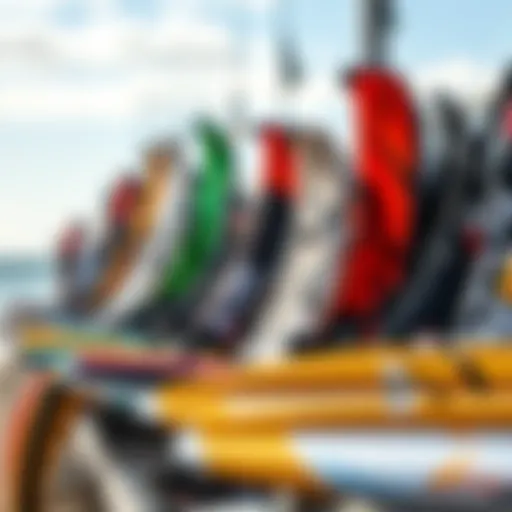
When it comes to kites, one size certainly does not fit all. Kites are your lifeline on the water, and selecting the appropriate type is paramount. Generally, there are two main categories to choose from: inflatable kites and foil kites.
- Inflatable Kites: These are the most common type of kitesurfing kites. With their robust structure provided by air-filled bladders, these kites are excellent for all skill levels. They offer stablity in varied wind conditions, making them a go-to for many. Inflatable kites are particularly good for beginner kitesurfers, as they provide better control.
- Foil Kites: As the name implies, these kites do not use air bladders. Instead, they utilize the wind to create lift. These kites are often lighter and can be folded easily, making them great for travel. However, they can be less forgiving for beginners, as they require more precise control.
The right kite not only supports your skill level but also adapts to local conditions. For instance, in Peru, where wind patterns vary significantly, having a versatile kite can drastically improve your experience.
Boards and Their Variants
Choosing the right board is as critical as picking the right kite. The board you use will impact your performance and comfort as you ride across the waves. Boards come in various shapes and sizes, catering to different styles and conditions.
- Twin-Tip Boards: Perhaps the most popular choice, especially for those starting out, twin-tip boards can ride in both directions, making tricks and transitions easier to learn. They are versatile and suitable for various water conditions, from flat lakes to ocean waves.
- Directional Boards: Ideal for wave riding, these boards have a more specialized design that caters to riding in one direction. While they can be more challenging to control for beginners, they offer an entirely different experience once you get the hang of it.
- Foil Boards: Designed for advanced riders, foil boards use a hydrofoil system that allows the board to lift above the water surface. It’s a thrilling sensation and opens up new possibilities for exploring less windy conditions.
When selecting a board, consider your skill level and the kind of kitesurfing you wish to pursue. Whether you are surfing ocean waves or flat water, matching your board with your kite style can lead to a seamless riding experience.
Safety Gear Requirements
Safety should never take a back seat when it comes to kitesurfing. Regardless of skill level, using the proper safety equipment is crucial. Here are essential safety gears you should always have on hand:
- Harness: This is your point of connection to the kite and ultimately controls your riding. There are seat harnesses and waist harnesses to consider, and it’s vital to choose one that fits comfortably and securely.
- Impact Vest: Depending on local regulations and personal preferences, wearing an impact vest can provide additional safety against falls and provide some buoyancy.
- Helmet: Protection for your noggin is key. A helmet can save you from serious injuries, especially in crowded areas or choppy waters.
- Safety Leash: This connects your kite to your harness and is designed to release your kite in case of a mishap. It is your fail-safe when something goes wrong during a ride.
- Sun Protection Gear: Long sessions under the sun require appropriate clothing, including rash guards and UV-protection gear. Don’t forget the sunscreen either; skin protection is a must!
By ensuring you have these gear essentials, you set the stage for a safer and more enjoyable experience on the water.
Techniques and Skills Development
Kitesurfing is not just a sport; it's an exhilarating dance with nature. To catch the wind and glide across water, one needs to hone specific techniques and gradually develop their skills. Understanding the discipline required for kitesurfing is crucial for anyone looking to master this thrilling activity. A strong foundation of techniques will not only enhance your performance but also significantly increase your safety while enjoying the ride.
Basic Kitesurfing Techniques
Before soaring like an eagle over the waves, one must first grasp the basic kitesurfing techniques. These fundamentals serve as the building blocks for all maneuvers that will come later. Let's take a look at some of the basic techniques:
- Kite Control: Understanding how to steer and maneuver your kite is essential. Start on land, flying the kite with focus on its responsiveness and how it reacts to your inputs. The basic figure-eight pattern helps build familiarity.
- Body Positioning: Getting your stance right can make or break your ride. Find your center of gravity by bending your knees and keeping your body open. This stance aids in balance and control.
- Water Starts: Initiating from the water can be tricky. It's a dance of patience and timing. Start by pulling the kite at a low angle to generate enough lift while positioning your board.
- Riding Upwind: Mastering the ability to ride upwind is vital. It allows you to maintain your position against the waves without being blown back. This involves understanding the angle of attack of your kite and shifting your weight appropriately.
By systematically practicing these methods, even novices can become proficient riders. Developing basic techniques instills confidence, setting the stage for more complex maneuvers.
Intermediate and Advanced Maneuvers
Once you've conquered the basics, it’s time to elevate your game with intermediate and advanced maneuvers. These skills require a deeper understanding of the equipment and wave dynamics. Here’s what to focus on:
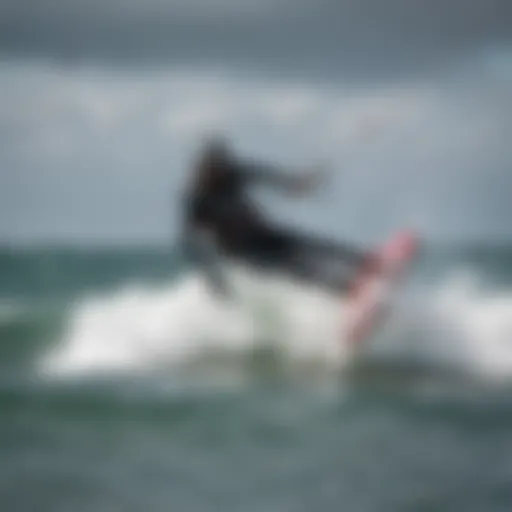
- Jumping: Taking flight requires skills in kite handling and timing. A good jump combines speed, kite positioning, and body movements to maximize airtime.
- Board Off Tricks: This is where style meets skill. During a jump, taking the board off your feet while maintaining control demonstrates balance and finesse.
- Downlooping: This advanced maneuver involves turning your kite in the air while descending. It allows for increased speed and more height to your jumps, but requires confidence and precision.
- Transitions: Smoothly changing directions while riding enhances your flow on the water. Practicing transitions keeps your runs dynamic and engaging.
Regular practice of these maneuvers, while seeking feedback from instructors or peers, can greatly accelerate your skill development. It's not just about the tricks; it’s about refining control and improving adaptability to changing wind and water conditions.

Importance of Practicing Safe Techniques
Safety should never take a backseat in kitesurfing. Whether you're lifting off for the first time or executing advanced tricks, integrating safety practices into your routine ensures a positive experience.
- Pre-Ride Checks: Always conduct a thorough check of your gear before hitting the water. Inspect everything from your harness to your kite lines. It only takes a moment, but it can prevent a mishap.
- Recognizing Conditions: Understanding the weather and water conditions is crucial. Wind strength and direction can change quickly; being aware safeguards against unexpected challenges.
- Emergency Scenarios: Knowing what to do in case of a fall or equipment failure can make a significant difference. Training for emergency landings and practicing self-rescue techniques is essential.
- Respecting Others: Kitesurfers share the water space with others. Understand the right of way rules and always be cautious not to endanger fellow enthusiasts.
Practicing safe techniques is as important as mastering kitesurfing maneuvers. Keeping safety at the forefront guarantees a thrilling yet safe experience on the water.
Ending
Mastering kitesurfing takes time, patience, and practice. By developing solid techniques, understanding advanced maneuvers, and integrating safety into your routine, you set the stage for countless thrilling experiences on the water. Through continual learning and adaptation, kitesurfing in the stunning locations of Peru can become more than just a hobby; it can transform into a lifelong passion.
Safety Considerations
Safety is paramount in any extreme sport, and kitesurfing is no exception. Understanding the various risks involved, along with the appropriate measures to mitigate them, is crucial for both novice and seasoned kitesurfers. These considerations directly impact not only individual safety but also the health of the marine environment and the local community.
With unpredictable weather patterns and unique oceanic conditions in Peru, being prepared and knowledgeable can mean the difference between a great day on the water and a serious predicament. Below are a few critical areas to focus on when considering safety in kitesurfing.
Assessing Conditions Before Surfing
Understanding weather and water conditions is fundamental before launching into the waves. Kitesurfers should always check the following:
- Wind Speeds: Ideal wind speeds vary per skill level. Beginners should aim for winds between 12-20 knots, whereas more advanced surfers may handle 20-30 knots. Knowing the local weather forecasts through resources like Windy.com or Windfinder.com can be beneficial.
- Tide Levels: The tide can have a major effect on water conditions. Surfing during high tide might create smoother waters, while low tide brings up the risk of shallow areas with hidden obstacles.
- Current Conditions: Being aware of both tidal and wind-driven currents helps prevent accidents. Look for visual clues at the beach or consult local kitesurfing schools for guidance on current behavior.
Taking a moment to assess the situation can help in making informed decisions, ultimately enhancing safety while enjoying the surfing experience.
Understanding Rip Currents
Rip currents are a common hazard in many kitesurfing locations, including some beaches in Peru. Recognizing these currents is key for survival. Here are some essential facts:
- What Are They? Rip currents are powerful, narrow channels of fast-moving water that flow away from shore. They can catch even strong swimmers off guard.
- How to Identify Them: Look for differences in water color, as they often appear darker or foamier due to sand being stirred. There may also be a break in the incoming waves at the location of the current.
- How to Escape: If you find yourself caught, do not panic. Swim parallel to the shore to escape the current before heading back to land.
Understanding rip currents not only ensures your safety but also deepens your appreciation of the ocean's dynamics.
Emergency Protocols
Having a plan in place for emergencies can drastically reduce panic and uncertainty. Make sure to cover the following:
- Buddy System: Kitesurfing with a partner is crucial. Agree on signals or a procedure to follow should one of you run into trouble.
- Communication Devices: Carry a waterproof mobile device or walkie-talkies for quick communication. Apps like WhatsApp or emergency contacts can save time in urgent situations.
- First Aid Kit: Familiarize yourself with basic first aid and consider carrying a compact first aid kit tailored for water sports emergencies. Knowing how to deal with cuts, dislocations, or even heat strokes can save lives.
Remember: "An ounce of prevention is worth a pound of cure." Always prepare for emergencies, and practice the protocols even when days seem perfect.
Taking the time to understand these safety aspects ensures that kitesurfing remains an exhilarating yet secure adventure for everyone involved.
Cultural Aspects of Kitesurfing in Peru
Kitesurfing in Peru is not just a sport; it embodies a vibrant cultural tapestry interwoven with local traditions, community spirit, and social interaction. Understanding this cultural landscape provides deeper insights into how kitesurfing flourishes in various coastal regions, reflecting the unique identity of Peruvians and their connection to the ocean.
Community Engagement and Local Events
The kitesurfing scene in Peru thrives through a myriad of community events and engagements. Local competitions, gatherings, and festivals often take place, fostering a sense of camaraderie among kiteboarders. These events aren't mere contests; they serve as vibrant celebrations where enthusiasts share their love for the sport and the ocean.
Participation in local events plays a pivotal role in community bonding. For instance, every summer, Punta Hermosa hosts the renowned "Punta Hermosa Kite Fest," attracting talent from various regions. Such events not only spotlight skilled riders but also encourage local players to showcase their surfing prowess. The vibe is infectious, with spectators cheering on their favorites, creating lasting friendships through shared experiences.
Additionally, these gatherings often include workshops, giving beginners a chance to learn from seasoned athletes. It’s remarkable how a simple sport like kitesurfing opens doors for cultural exchanges. From traditional Peruvian music echoing over the waves to local artisans displaying their crafts, these festivals blend sportsmanship with rich cultural heritage.
Integration with Local Lifestyle
Kitesurfing serves as a bridge connecting locals with their coastal environment. For many Peruvians, this sport is more than an adrenaline rush; it’s woven into the daily rhythm of life. The act of kitesurfing resonates deeply with the oceanic roots of coastal communities, reinforcing a lifestyle that celebrates nature.
In places like Máncora and Vichayito, kitesurfers often embody the laid-back Peruvian coastal lifestyle. They keep a flexible schedule, syncing their activities with wind patterns and tides, which affect much more than just their sport; it reflects an inherent respect for nature’s cycles. The synergy of surfers and locals encourages a lifestyle that prioritizes sustainability.


Every kiteboarder is also a steward of the ocean; thus, many local initiatives spring up aiming for cleaner beaches and protective measures for marine ecosystems. These actions show how kitesurfing motivates participants to support environmental sustainability and act as responsible citizens.
In essence, kitesurfing in Peru fuses sports with community culture, creating a rich tapestry of connections that go beyond the waves. Observing this interaction reveals how kitesurfing not only enhances athletic skills but also fosters a profound respect for local traditions and the environment.
Kitesurfing is not merely riding waves; it's about riding the winds of culture and community.
By embracing the cultural aspects of kitesurfing, one uncovers the multifaceted nature of the sport in Peru, making it a truly enriching experience for both locals and visitors alike.
Environmental Considerations
Kitesurfing, while exhilarating, does not exist in a bubble separate from its surroundings. Understanding the environmental implications is crucial for sustaining the beauty and health of Peru's unique ecosystems. This section delves into the impact of kitesurfing on marine environments and suggests practical ways kitesurfers can contribute positively to the ecosystem. The delicate balance between enjoying the sport and preserving natural habitats should guide every kitesurfer's actions.
Impact of Kitesurfing on Marine Ecosystems
The thrill of gliding over waves brings immense joy, yet it can also disrupt marine life if not approached responsibly. Typically, the areas favored for kitesurfing, like Punta Hermosa and Máncora, host diverse marine ecosystems.
- Disturbance to Wildlife: Kitesurfers may unintentionally displace local wildlife. Birds nesting on beaches or fish spawning in tidal flats can suffer from increased activity, leading to stress or disruption of breeding grounds.
- Water Quality: The aftermath of kitesurfing can affect water quality. The more foot traffic on sensitive beach areas, the greater the potential disturbance of sediment. When sediment is stirred, it can cloud the water and affect photosynthesis in underwater plants, along with diminishing the visibility for underwater swimmers and divers.
- Littering and Pollution: An unfortunate side effect of many beach activities, including kitesurfing, is the litter left behind. Whether it’s broken equipment, snack wrappers, or anything else, all of these contribute to pollution, negatively impacting marine creatures.
"If there’s one thing we have learned, it’s that every little bit counts. Just a few responsible choices can ensure that the waves we love don’t come at the expense of the oceans we cherish."
Sustainable Practices for Kitesurfers
To mitigate the negative impacts outlined above, kitesurfers can adopt sustainable practices that help conserve natural resources and protect marine life. Below are some key strategies that can be seamlessly integrated into a kitesurfing lifestyle:
- Leave No Trace: Carry out what you bring in. Be proactive about collecting litter left by others as well. A clean environment not only looks good but is essential for local wildlife.
- Engage with Local Conservation Efforts: Many coastal regions in Peru offer programs focused on marine conservation. Joining or supporting these initiatives enhances community ties and contributes to the overall ecological wellbeing of the areas you enjoy.
- Educate Yourself and Others: Knowledge is a powerful tool. Understanding the local ecosystem helps in making informed decisions that promote conservation while kitesurfing. Share your insights with fellow kiteboarders about local species and delicate habitats.
- Choose Eco-Friendly Equipment: Select kites and boards made by companies committed to sustainable manufacturing. Opt for gear that has minimal harmful impact on the environment and is recyclable when it reaches the end of its long life.
All these practices collectively foster a healthier environment for both kitesurfers and the marine ecosystems they cherish. By keeping the ecological context in mind, kitesurfers can ensure the sport is enjoyable for generations to come.
Emerging Trends in Kitesurfing
Kitesurfing continually evolves, driven by technological advances, shifts in cultural dynamics, and changes in market demands. Understanding these emerging trends is vital for enthusiasts, instructors, and industry stakeholders alike. The progression of the sport is not just a matter of new equipment or techniques; it also encompasses the growth of community engagement and sustainability awareness, both of which can significantly affect the kitesurfing landscape.
Technological Innovations in Equipment
Today's kitesurfing equipment is miles ahead of what was available just a decade ago. The integration of cutting-edge technology into gear like kites and boards not only enhances performance but also ensures improved safety for users.
- Materials: The utilization of lighter and more durable materials has become standard. Kites made with ripstop nylon or Dyneema are now commonplace, increasing durability while reducing weight.
- Design Features: New designs of kites have allowed for better lift and stability. Innovations like the Delta shape and bow kites have become popular for their user-friendliness, making it easier for starters to pick up the sport.
- Smart Gadgets: Modern kitesurfers are beginning to incorporate smart devices. Some companies are developing kites that come equipped with sensors to measure wind speed and pressure, providing real-time data to improve riding techniques.
"The evolution of kitesurfing gear reflects not just innovation but a commitment to enhancing the rider's experience and safety."
Growth of Kitesurfing Schools and Training
The increase in kitesurfing schools across Peru is another notable trend. More individuals are keen to learn the sport as its popularity grows. This expansion involves several dimensions:
- Qualified Instructors: Professional training systems ensure that novice kitesurfers receive instruction from certified and experienced instructors. This reduces the risk of accidents and accelerates the learning process.
- Tailored Programs: Schools now offer customized training sessions catering to various skill levels. Whether you're a beginner or an advanced rider looking to polish your tricks, there's a program that fits.
- Community-Building: Kitesurfing schools often facilitate community events that bring kitesurfers together. From beach clean-ups to competition days, these gatherings foster a sense of camaraderie among participants.
As the sport expands within local and expatriate communities, these schools not only contribute to skill development but also play a crucial role in fostering a vibrant kitesurfing culture in Peru. Keeping up with these trends can provide significant insights into the future of the sport while ensuring that kitesurfers are well-prepared to adapt to these changes.
Culmination
Kitesurfing is more than just a sport; it’s a way of life for many in Peru. The unique blend of breathtaking scenery, consistent winds, and rich cultural exchanges makes the experience of kitesurfing in this South American country unparalleled. Throughout this exploration, we’ve highlighted critical elements crucial to both novice and seasoned kiteboarders, ensuring a comprehensive understanding of the nuances involved in this exhilarating activity.
One of the standout features of kitesurfing in Peru is its accessibility. From bustling beach towns like Máncora to the secluded gems in Paracas National Reserve, there's a place for every level of kitesurfer. The combination of varied locations also presents an opportunity for kitesurfers to engage with the local community, fostering friendships and enhancing the overall experience.
Proper equipment is another vital aspect discussed. The right kites, boards, and safety gear can make a world of difference in performance and safety. As one might say, "The right tool for the right job" applies heavily here. Selecting the correct gear tailored to the local conditions can not only enhance enjoyment but also facilitate learning and mastery of the sport.
Moreover, embracing best practices related to safety ensures that riders can focus on enjoying the wind and waves rather than worrying about potential hazards. Understanding local weather patterns and being mindful of environmental consequences not only guarantees a safer experience but also ensures the sustainability of these cherished spots.
Finally, as the sport grows, so do the emerging trends that shape its future in Peru. The advancement of technology in equipment and the increasing availability of training centers means that more people can join the ranks, contributing to the vibrant kitesurfing culture. Current kitesurfers have a responsibility to welcome this influx and share the sport's rich heritage with newcomers.
In summary, the importance of kitesurfing in Peru transcends enjoying the rush of the sport. It weaves together community connections, environmental awareness, and individual growth, promising an experience that not only satisfies the thrill-seeker but also nurtures a deeper appreciation for this remarkable coastal environment. As riders pack their gear and prepare to hit the water, they take with them not just equipment but an understanding of and respect for the multifaceted world surrounding kitesurfing.
"Kitesurfing is like poetry in motion, danced out on the waves; it's a personal adventure that connects you with nature and those around you."
For more information on kitesurfing and its continual evolution, visit the following resources:
As you gear up for your next kitesurfing adventure in Peru, keep these insights and considerations close. Whether you're carving through the waves solo or with a vibrant group, the essence of kitesurfing in Peru unfolds as a captivating journey.