Hydrofoil Wakesurf: A Comprehensive Guide


Intro
In recent years, the thrill of hydrofoil wakesurfing has captured the hearts of many water sports enthusiasts. This unique blend of wakesurfing and hydrofoil technology introduces a new way to glide across the water, providing an exhilarating experience that was previously unexplored. Imagine carving effortlessly, feeling like you’re flying above the water surface—all made possible by the innovations in hydrofoil design.
As we delve deeper into this rising sport, it becomes essential to understand the intricacies involved, from basic techniques to advanced maneuvers. We also need to explore vital gear that supports your adventures on the water. This article is aimed at kiteboarders, instructors, and water sports coaches, offering insights that encompass both the technical aspects and the vibrant community surrounding hydrofoil wakesurfing.
The sport is not just about individual stunts or rides; it's about the joy of connecting with nature while pushing the limits of what's possible. In addition to the thrill, the gathering of enthusiasts fosters a sense of belonging that enriches the sport further. Let’s embark on this exploration of hydrofoil wakesurfing, revealing the state of the art behind the equipment, and the skills necessary to master this dazzling sport.
Prologue to Hydrofoil Wakesurf
Hydrofoil wakesurfing represents an exhilarating intersection of technology and tradition on water, combining the dynamic sensations of wakesurfing with the innovative mechanics of hydrofoiling. Understanding this sport is crucial for enthusiasts and instructors alike. It is not only a testament to human ingenuity but also a compelling exploration of how traditional sports evolve. This introductory section aims to lay the groundwork for readers, highlighting key aspects that make hydrofoil wakesurfing distinct.
Understanding Wakesurfing
Wakesurfing, at its core, is all about riding the wake of a moving boat without being tethered to it. The thrill lies in the dance with the wake, allowing riders to perform tricks and maneuvers that showcase their agility and skill. Typically, wakesurfers ride around 2-8 feet behind the boat, harnessing the wake's energy to carve and leap in a fluid rhythm. This freedom comes with a sense of connection to the water, offering riders an immersive experience.
However, this experience is substantially enhanced when hydrofoils are introduced. A hydrofoil lifts the board above the surface, resulting in a smoother ride over the wake and reducing drag. Without a doubt, understanding the intricacies of wakesurfing sets the groundwork for appreciating the elevated dynamics introduced by hydrofoiling.
What is Hydrofoiling?
Hydrofoiling refers to the technology that allows boards to glide above water, utilizing lift generated by an underwater wing, known as a foil. This advancement has transformed how riders interact with watercraft, presenting a ride that feels almost avant-garde compared to traditional wakesurfing. The mechanics behind a hydrofoil involve unique aerodynamics and hydrodynamics, allowing for efficient movement and reduced resistance. As the rider accelerates, the foil beneath the board generates enough lift to elevate the surfer above the turbulence created by the boat's wake.
This elevated ride not only changes the feel of the sport but opens a new realm of possibilities for tricks and movements. Even at lower speeds, foiling allows for a more fluid and graceful experience, giving athletes the chance to carve and perform aerial maneuvers variously. In short, it introduces a fresh layer of complexity and excitement.
"Hydrofoiling transforms your relationship with the water, making each run a dimension of freedom and creativity unlike anything experienced before."
The Mechanics of Hydrofoil Design
The mechanics behind hydrofoil design play a pivotal role in the experience of hydrofoil wakesurfing, essentially defining how riders interact with the water and the board. Understanding these dynamics can significantly enhance performance and enjoyment on the water. Hydrofoils, in their simplest form, are hydrodynamic devices that lift a board above the water’s surface as speed increases, minimizing drag and maximizing speed.
The precision in the design of hydrofoils affects everything from stability to maneuverability, making this knowledge essential for both beginners and seasoned riders. Riders keen on maximizing their performance should familiarize themselves with the various components at play, which we will explore in detail next.
Aerodynamics and Hydro Dynamics
Aerodynamics and hydrodynamics are the twin pillars of hydrofoil performance. They dictate how forces act on the foil when it slices through water. Simply put, when a hydrofoil is in motion, the shape of its wings directs water flow, creating lift. This is akin to how airplane wings work, where air pressure differs above and below the wing, resulting in elevation. Similarly, a well-designed hydrofoil harnesses the water’s movement to elevate the board, making it glide effortlessly.
The interplay of thrust and lift also comes into play here. The faster a rider moves, the more lift generated, propelling them out of the water. However, achieving this balance requires an understanding of speed and angle; too steep can result in a stall, too shallow can hinder the lift. Each rider must experiment to find the sweet spot that works best for their style and comfort.
Components of a Hydrofoil
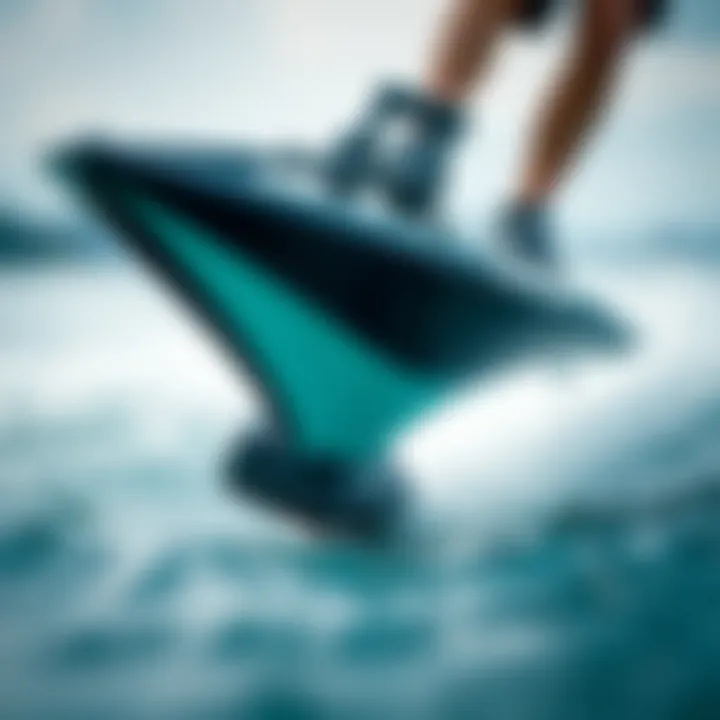
The hydrofoil consists of several key components, each influencing performance in unique ways. Familiarizing oneself with these parts is crucial for anyone serious about the sport.
Foil Wing Types
Foil wing types significantly impact how a hydrofoil behaves. Broadly, they can be categorized into two main types: high-aspect wings and low-aspect wings.
- High-aspect wings are characterized by their long and narrow design. They are often regarded as a beneficial choice for those seeking greater speed and efficiency. Their elongated shape allows the foil to slice through water with minimal drag, ideal for riders focused on advanced maneuvers and speed.
- Low-aspect wings, on the other hand, offer more stability and lift at slower speeds. This makes them a popular option for beginners or those who prefer a more relaxed riding experience. A downside, however, comes in the form of increased drag, which can limit speed and efficiency.
When considering foil wing types, it’s vital to think about personal goals and riding styles, as each has its own unique features and benefits.
Mas and Fuselage
The mast and fuselage connect the hydrofoil to the board, serving as the backbone of the setup. The mast is typically made from aluminum or carbon fiber, with lengths varying to influence riding experience. A longer mast allows for riding in deeper water and better clearance over waves, leading to more freedom for tricks and maneuvers.
Conversely, a shorter mast creates a more stable ride, which is a beneficial choice for those just starting out. The fuselage, which connects the foil wings to the mast, also plays a crucial role in stability and angle adjustments. The key characteristic of both components is their ability to impact the overall balance and control of the board, creating a more tailored experience for riders.
Board Integration
Board integration is a crucial aspect of hydrofoil design that determines how effectively the hydrofoil interacts with the board itself. A properly integrated board can enhance performance and responsiveness, allowing riders to optimize their movements on the water. Riders are looking for stability and responsiveness usually prefer boards with a specific mounting system designed to accommodate hydrofoils.
The key characteristic of these boards is often their wider tail and rocker profile, which can offer enhanced lift and better handling. But this integration isn’t without its challenges. It can limit the versatility of the board for non-foil riders or those who might want a more traditional wakesurfing experience.
"A well-integrated board not only elevates the rider but also elevates the entire experience of hydrofoil wakesurfing."
In summary, grasping the mechanics of hydrofoil design is essential for anyone looking to excel in hydrofoil wakesurfing. The synergy between aerodynamics and hydrodynamics, understood through the various components such as foil wing types, mast, fuselage, and board, will ultimately lead to a richer, more enjoyable experience on the water.

Techniques for Mastering Hydrofoil Wakesurfing
Hydrofoil wakesurfing is not just about being pulled behind a boat; it’s an art that requires finesse and an understanding of various techniques. Mastering these techniques not only enhances enjoyment but also improves performance, allowing riders to manipulate the water beneath them with precision. As the sport evolves, the tricks and maneuvers have become more advanced, making it imperative for enthusiasts to grasp the foundational skills before reaching for those big air jumps.
Starting and Getting Up
Starting on a hydrofoil can feel daunting, especially for beginners. The first thing to remember is that getting up from the water requires balance and coordination. Begin by positioning yourself comfortably on the board, with your front foot centered. As the boat starts moving, lean back and let the water do the work. While it might seem tempting to pull the rope hard, a steady pull is all you need. The foil's lift will propel you upward as you find your balance.
Giving yourself time to adjust to the sensation of being lifted out of the water is crucial. Ideally, aim to keep your knees slightly bent, maintaining a solid stance as you begin to find your rhythm. As your confidence builds, you will notice that standing up becomes second nature, transforming the start into a seamless part of your ride.
Carving and Turns
Once you are up and riding, the next step is to foster your carving ability. Carving on a hydrofoil is distinct from traditional wakesurfing—it's more about shifting your weight in harmony with the board. This technique comes down to understanding how to position your body and the angle of the foil. When you want to carve, lean into your heels or toes, depending on the direction you wish to turn. The key characteristic of successful carving on a hydrofoil is to maintain a smooth motion; abrupt movements can destabilize the foil, leading to an unexpected drop.
Mastering turns can also set you apart from other riders. It's not just about changing direction but doing so in a way that maintains speed, allowing you to glide effortlessly across the wake. Practice makes perfect, so don’t hesitate to utilize movement patterns that feel natural to your body.
Advanced Maneuvers
Tricks and Jumps
Diving into tricks and jumps is where the real excitement lies in hydrofoil wakesurfing. Tricks like spins and flips add flair to your riding style. The thrill of launching off a wave or jump brings a rush that few can compete with. One of the appealing aspects of tricks is their adaptability; they can be tailored to fit a rider’s skill level. For beginners, basic jumps provide a foundation, while more experienced riders can try complex maneuvers like 360s or even aerials.
Key Characteristics: The essence of tricks is fluidity and timing. It’s not only about how high you can jump but also how well you can land back smoothly on the foil.
While tricks are undeniably thrilling, they come with challenges. A significant downside is the risk of falling, especially when pushing limits or trying something new. This is where patience and practice pay off, as repeated attempts help in perfecting your timing and technique while also building confidence.
Flow Control
Flow control plays a pivotal role in the overall effectiveness of your riding experience. This technique involves seamlessly transitioning through maneuvers without losing momentum. Achieving flow control requires a blend of balance, foresight, and anticipation of upcoming waves and turns. Being able to maintain a consistent speed while executing movements can elevate your performance to new heights.
Key Characteristic: The ability to read the water ahead ensures you can respond intelligently to the changing conditions beneath you.
Flow control is vital for both safety and enjoyment. Better flow means fewer disruptions, minimizing the risk of spills or miscalculations while navigating the wake. Riders who master flow control not only look good on the water but also enjoy a more liberating experience, allowing them to explore tricks and turns with ease.
Whether you’re just dipping your toes into hydrofoil wakesurfing or looking to up your game, honing these essential techniques will provide a strong base for your journey ahead.
Key Takeaway: Mastering these techniques is a journey, and with practice, patience, and persistence, the water becomes your canvas, and you the artist.
Essential Equipment for Hydrofoil Wakesurfing
When stepping into the world of hydrofoil wakesurfing, the right equipment can make all the difference. Like trying to bake without the right ingredients, wading into this sport without the proper gear can lead to frustration rather than exhilaration. Each piece of equipment contributes to the overall experience, ensuring both safety and performance. A thoughtfully chosen setup not only enhances your enjoyment but also helps cultivate skill and confidence on the water.
Selecting the Right Hydrofoil
Choosing the correct hydrofoil is pivotal in enjoying a smooth ride. Hydrofoils greatly affect how you glide over the water. You may find various sizes, shapes, and designs in the market, each catering to different riding styles and skill levels. For beginners, a larger foil offers more stability but might have a slower speed, making it easier to get accustomed to the feeling of being up on the foil. Conversely, experienced riders might prefer smaller foils, which are more agile and responsive.
When selecting your hydrofoil, keep in mind:
- Size: Bigger foils lift you higher at lower speeds, whereas smaller wings offer speed and maneuverability.
- Material: Lightweight materials like carbon fiber can be pricier but offer better performance and durability.
- Compatibility: Ensure that the foil is compatible with your board; not all hydrofoils fit every board.
Surfboards Optimized for Hydrofoils
The right surfboard serves as the foundation of your wakesurfing experience. Hydrofoil-specific boards are often shorter and wider compared to traditional surfboards. This design facilitates stability while being lifted out of the water, which is crucial as you begin to master hydrofoiling. A well-suited board allows for smoother landings and helps with balance while adapting to the nuances of hydrofoil riding.
When searching for an optimized surfboard, consider:
- Length and Width: Shorter boards enhance maneuverability, while wider boards provide stability.
- Tail Shape: Different tail shapes can affect performance; squash tails often lend themselves to better grip and increased speed.
- Material Construction: A lighter board will help in easier transitions, particularly when you're learning new tricks.
Safety Gear Requirements
Safety cannot be overstated in hydrofoil wakesurfing. The thrill of gliding above the water comes with its own set of risks, so wearing proper safety gear is non-negotiable.
Wetsuits and Impact Vests
Wetsuits are integral for warmth and protection against cuts and scrapes. Hydrofoil wakesurfing can bring about unintentional falls, and a well-fitted wetsuit safeguards your skin.
Impact vests, while not as insulating, provide significant cushioning during sudden falls, absorbing the shock and minimizing the risk of injury. The buoyancy offered by these vests contributes to your safety, helping you stay afloat while navigating unpredictable waters. An ideal wetsuit should be


- Flexible: So you can move freely.
- Well-Fitted: It should hug your body without excess bulk to maintain ease of movement.
- Durable Material: Look for high-quality neoprene materials that withstand wear and tear.
Helmets and Leashes
Helmets add another layer of protection, shielding your head from potential impacts with the board or water. They can greatly reduce the risk of concussions during falls. A helmet designed specifically for water sports is often lighter and more buoyant than standard ones, allowing for comfort while surfing.
Leashes serve an equally important role. They connect you to your board, making sure that it doesn't drift away after a fall. A reliable leash should be both sturdy and flexible, allowing for movement without hindrance. While it may not be as visible, the significance of using a leash cannot be overlooked.
Summary
In summary, ensuring you have the right equipment for hydrofoil wakesurfing isn't merely about enhancing performance; it's about safety, comfort, and ultimately enjoying your time on the water. Invest in quality gear, and you’ll find yourself not just staying afloat but soaring above, ready to carve up the waves.
Safety Considerations in Hydrofoil Wakesurfing
When it comes to hydrofoil wakesurfing, safety should never take a back seat. The thrilling nature of gliding above the water on a hydrofoil brings a unique set of challenges and risks that riders must remain cognizant of. This section underscores the significance of understanding these risks and the important protocols to mitigate them, ensuring that all enthusiasts can enjoy this exhilarating sport without compromising their well-being.
Understanding Risks and Hazards
In hydrofoil wakesurfing, like a lot of water sports, there are inherent risks that participants have to grapple with. These could range from minor spills to more serious accidents depending on a myriad of factors. Understanding these risks is paramount for any rider. Here are some noteworthy hazards:
- Fall Hazards: A common occurrence in hydrofoil wakesurfing is losing balance and falling into the water. This could lead to collisions with the hydrofoil or the boat.
- Drowning Risk: While wearing a life jacket minimizes this, a lack of swimming proficiency can pose a serious danger. Riders should be comfortable in the water.
- Collision with Other Riders: As wakesurfing often takes place in crowded water, the danger of a collision with others is a clear and present risk.
- Environmental Factors: Unforeseen weather changes, strong currents, or choppy water can drastically affect safety. Those changes can lead to an unpredictable experience on the water.
One must stay vigilant about these hazards, as they can sneak up like a thief in the night. Regular assessments of one’s skills, the operational environment, and the equipment in use are vital for a safe riding experience.
Emergency Procedures
Every wakesurfer must know how to respond should things go awry. This preparedness not only enhances personal safety but can also be a life-saver for others on the water. Here are essential emergency procedures that should be at the forefront of every rider's mind:
- Establish Communication: Always ensure that a reliable method of communication is available. Whether through hand signals or a marine radio, it’s key to convey information quickly.
- Wear Proper Safety Gear: A properly fitting life jacket is your first line of defense. Beyond that, helmets help protect your noggin from unexpected falls.
- Buddy System: Surfers should pair up. In case of an emergency, having a buddy nearby who can lend a hand could be invaluable.
- Know the Water Rules: Familiarize yourself with local regulations. Some areas may have specific mandate to be followed during water sports to promote safety.
"Preparation and awareness can turn a fun day at the lake into a safe one."
- If a Fall Occurs: After a fall, always keep your arms and legs close to your body. This reduces the risk of getting struck by the foil. Assess the surroundings before attempting to get back up.
- Emergency Evacuation Plans: Have a game plan for emergencies—know where the nearest help is, and how to contact them quickly.
By imbibing these safety procedures into your routine, you proactively create a safer environment, not just for yourself but for everyone around you. Being prepared is half the battle won. Hydrofoil wakesurfing offers a thrilling experience, but without attention to safety, the thrill can quickly turn into a perilous situation.
Communities and Events in Hydrofoil Wakesurfing
Hydrofoil wakesurfing isn’t just a sport; it’s a community that flourishes both on and off the water. This section shed highlights the importance of building connections within the hydrofoil wakesurfing community and participating in various events. These communities provide support, resources, and motivation for enthusiasts, making them indispensable for both beginners and seasoned surfers.
Joining Local and Online Groups
Finding like-minded individuals is key in any sport, and hydrofoil wakesurfing is no exception. Local clubs often organize meetups, group practice sessions, and even educational workshops where members can share tips and techniques. These interactions not only foster camaraderie but also create opportunities for learning and growth.
Online groups, including forums and social media pages, are ideal for those who might not have local counterparts. For instance, platforms such as Reddit and Facebook have specialized groups where members post videos of their rides, share advice on equipment, or even arrange for collaboration on projects. One place to start is the subreddit r/wakesurfing, which offers a rich tapestry of shared experiences.
The benefits of joining these groups include:
- Networking with industry professionals
- Gaining access to exclusive training materials and videos
- Staying updated on the latest trends in hydrofoiling technology
- Finding local events or competitions to enhance your skills
It’s a fertile ground for knowledge, ideas, and friendships that can enrich one’s experience in hydrofoil wakesurfing.
Competitions and Showcases
Engaging in competitions can be a thrilling avenue to test one's skills and showcase newfound abilities. Events around hydrofoil wakesurfing range from local competitions to larger showcases that draw enthusiasts from diverse backgrounds. Participating in these events not only boosts confidence but also offers a platform for athletes to demonstrate their skills to a wider audience.
Take, for example, the Hydrofoil Tour, a series of events that invite riders to compete in various formats, encouraging both novice and expert competitors to give it their all. Such competitions often include:
- Freestyle events where tricks and creativity take center stage.
- Distance races, which test endurance and speed over longer routes.
Attending or competing in these showcases allows participants to:
- Gain recognition and feedback from judges and peers.
- Network with industry sponsors and possibly secure endorsements.
- Experience the adrenaline of friendly rivalry, which can drive personal improvement.
Furthermore, watching these events can be inspiring. Many fans come to see the new tricks being developed, fueling their own ambitions. The thrill of competition intertwines with community spirit, pushing everyone towards greater mastery.
"Communities elevate the sport of hydrofoil wakesurfing, stitching together diverse talents and shared passions that thrive on the water."

In sum, connecting with fellow surfers, attending competitions, and participating in community events can be deeply rewarding. Whether it’s through sharing knowledge or striving for excellence, these interactions help individuals grow not just as riders but as passionate members of the hydrofoil wakesurfing family.
Further Resources
For more information and to connect with the community:
- Visit reddit.com/r/wakesurfing
- Explore community events on facebook.com
- Check out instructional videos and discussion boards on britannica.com and community forums relevant to hydrofoiling.
Popular Locations for Hydrofoil Wakesurfing
Exploring the right destinations for hydrofoil wakesurfing is crucial to any enthusiast’s experience. Specifically, the locations where you practice not only affects the quality of your ride but also the overall enjoyment. Hydrofoil wakesurfing requires conditions that allow for a stable wake and consistent water surfaces.
Choosing the right spot can make the difference between an exhilarating session and a frustrating one. Places with ample space for a boat to create a clean wake are ideal. Moreover, spots with less traffic can give you the peace and quiet that most riders crave. The combination of location and environment enhances the experience tremendously.
Comparative Analysis: Hydrofoil vs. Traditional Wakesurfing
Understanding the differences between hydrofoil wakesurfing and its traditional counterpart is vital for enthusiasts and newcomers alike. Each style of wakesurfing offers distinct experiences stemming from variations in the mechanics, performance, and even the emotions tied to the act of surfing itself. This comparison highlights how hydrofoils offer a progressive twist to a long-loved sport, appealing to water sports aficionados while also creating entirely new pathways for exploration.
Differences in Experience
From the moment you catch a wave, the sensations during hydrofoil wakesurfing can diverge dramatically from those of traditional wakesurfing. Here are some notable differences:
- Heightened Sensation of Flight: Hydrofoiling elevates the rider above the water surface. This elevation can change the way you feel about speed and direction, resulting in a unique aerodynamic experience. Many riders describe it as akin to flying, which is a far cry from the surface-bound experience of traditional wakesurfing.
- Smoothness and Control: Hydrofoils glide over the water with reduced drag, allowing for smoother rides, even in choppy conditions. In contrast, traditional wakesurfing can be jarring on rough waters, with taller waves impacting the rider more directly.
- Difficulty and Learning Curve: For many, hydrofoil wakesurfing requires a different skill set when compared to its traditional brother. While both require balance and control, the subtle adjustments made on a hydrofoil can seem daunting to beginners.
- Community and Culture: The communities surrounding both types of wakesurfing offer their own flavors and cultures. Traditional wakesurfing is steeped in long-standing traditions, events, and camaraderie, whereas hydrofoiling is more niche, attracting early adopters and enthusiasts eager to explore uncharted territories.
Performance Metrics
When we dive deeper into performance aspects, the comparisons become more technical yet equally fascinating.
- Speed and Efficiency: Hydrofoil boards often glide faster due to their lift, enabling quicker planing and less energy expended. Traditional wakesurfers, while able to achieve speed, require more momentum and engagement with the wave, creating a different pacing.
- Maneuverability: Hydrofoils excel in tight turns and maneuvers, often outperforming traditional boards when it comes to agility. The lift generated from the foil allows for sharper turns without losing speed, an ability that can create breathtaking routines not easily achieved with conventional boards.
- Stability and Surface Interaction: Traditional wakesurf boards are designed to interact dynamically with the water surface—often leading to more drag and turbulence. Hydrofoils flip this equation, giving a sense of stability while elevated, though the inherent challenge lies in predicting behavior during wave interactions.
- Energy Consumption: When considering energy consumption during rides, hydrofoiling can be a game-changer, especially for those who aim for prolonged sessions. With a lift that reduces water drag, riders may find themselves expending less physical energy, which is often a complaint among traditional surfers.
"Hydrofoil wakesurfing is not just about turning the board but turning surfing itself into something extraordinary."
Taking these aspects into account allows riders to appreciate the choices available to them. Whether you're leaning toward the time-honored traditions of wakesurfing or curious about the innovative approach of hydrofoiling, each has its array of thrills, challenges, and communities. This understanding lays the groundwork for how enthusiasts can best navigate their waters, tailoring their experiences to fit their individual styles and preferences.
Future of Hydrofoil Wakesurfing
The future of hydrofoil wakesurfing stands at a crossroads, intertwined with innovation, sustainable practices, and a growing global community. This section highlights the importance of embracing the evolution that hydrofoil technology is undergoing. As with many water sports, shifts in design and eco-friendliness will shape the landscape of hydrofoil wakesurfing, making these topics critical for enthusiasts, instructors, and coaches alike. With increased interest in sustainable water sports, the growth of hydrofoil wakesurfing creates new opportunities while also presenting some challenges worth considering.
Innovations on the Horizon
Innovation continues to drive hydrofoil wakesurfing forward. In the engineering arena, advancements in materials science have led to lighter and more durable foils. These improvements enhance performance as well as maneuverability, making it easier for beginners to get a grip on the basics. New composites are making foils stiffer and stronger, therefore reducing drag and maximizing lift. Here are a few notable trends in this space:
- Electric Hydrofoils: A surge in the popularity of electric hydrofoil boards is emerging. These boards allow individuals to experience foiling without being towed by a boat, leading to a more independent experience on the water.
- Smart Technology Integration: Sensors and mobile applications are beginning to enter the scene. Think about boards that provide real-time data on speed, elevation, and even performance metrics. This not only offers a personalized experience but may also assist in teaching newcomers the ropes.
- Foil Adaptations: Custom modifications are gaining traction, catering to different riding styles. Riders can experiment with various wing shapes depending on skill level or intended tricks.
"The future is not something you enter. The future is something you create." – Leonard I. Sweet
Sustainability and Environmental Considerations
As hydrofoil wakesurfing looks to expand, practitioners must consider the environmental impact of the sport. Several factors are driving the dialogue toward a more sustainable approach:
- Eco-Friendly Materials: The conversation surrounding eco-friendly materials is growing louder. Manufacturers are beginning to explore biodegradable and recycled materials for building boards and foils, which might significantly reduce the carbon footprint of production.
- Responsible Practices: Riders need to adopt more responsible behaviors on the water. Understanding the local ecosystem and respecting wildlife habitats should be a priority for everyone involved in the sport. This calls for awareness about noise pollution generated by motorized boats used in wakesurfing.
- Community Advocacy: Engaging with local communities to protect waterways and promote conservation efforts can lead to a healthier environment for all water sports enthusiasts. Educational campaigns can rally support for sustainable practices among hydrofoil wakesurfers.
The outlook on hydrofoil wakesurfing is optimistic, driven by innovation and a commitment to sustainability. As this sport continues to evolve, participants must adapt and embrace these changes while safeguarding the environments they enjoy.
Epilogue
In wrapping up our exploration of hydrofoil wakesurfing, it’s crucial to reflect on the core elements that make this sport not only a thrilling venture but also an engaging community pursuit. Hydrofoiling, at its heart, elevates traditional wakesurfing into a new realm, offering an exhilarating experience that many enthusiasts have come to adore.
Summarizing Key Insights
Reflecting on the segments we’ve traversed, it's clear that hydrofoil wakesurfing offers a unique blend of technical acumen, physical skill, and moments of pure joy on the water. From understanding the mechanics of hydrofoil design, which highlights the sophisticated aerodynamics and hydrodynamics involved, to uncovering the critical techniques necessary for mastering the sport—these insights all serve a central theme: knowledge enhances performance.
- Design Matters: Knowing your hydrofoil can significantly influence your ride. The type of wing, the mast length, and how your board integrates with these components can make or break your experience on the water.
- Safety is Paramount: Taking the right precautions, such as wearing safety gear and understanding emergency procedures, cannot be understated. Water can be unpredictable, and staying safe ensures an enjoyable outing.
- Community Growth: The hydrofoil wakesurfing community, both offline and online, fosters a spirit of sharing and learning. Engaging with others can amplify your skills and deepen your appreciation for the sport.
Encouragement to Explore
To all the kiteboarders, instructors, and water sports coaches reading this—now's the time to dip your toes into hydrofoil wakesurfing. Whether you're a seasoned rider or a beginner eager to learn, this sport is ripe with opportunities for personal growth and thrilling experiences.
- Seek Out Local Groups: Find communities and forums like those on Reddit or Facebook to connect with others who share your passion. This networking can lead to valuable tips, friendship, and even group outings.
- Visit Popular Spots: Explore famous spots around the globe where hydrofoil wakesurfing thrives. Each location brings its own set of challenges and rewards—don't shy away from the adventure.
- Stay Informed: With innovations constantly coming to light, keeping an eye on advancements in hydrofoil technology and techniques might just give you a competitive edge.
As you journey into this fascinating world of hydrofoil wakesurfing, remember: the best way to learn is to immerse yourself fully.
“A smooth sea never made a skilled sailor.” Embrace challenges, learn from them, and enjoy every ride on the waves!