Hydrofoil Kits for Kiteboarding: A Detailed Guide


Intro
Kiteboarding has always been about harnessing the wind while skimming across the water. However, the introduction of hydrofoil kits has taken the sport into a different stratosphere, enabling riders to elevate their experience and ride above the waves. These kits not only enhance speed but also provide a unique sensation that makes kiteboarding all the more thrilling.
Understanding hydrofoils can seem daunting at first, but when you break it down into manageable pieces, it becomes much clearer. At its core, hydrofoiling is about using the lift created by a foil submerged in water to elevate the board above the surface, thus reducing drag. This guide aims to equip both beginners and seasoned riders with valuable insights into the functionality and application of hydrofoil kits, alongside practical maintenance tips and essential skills needed to maximize riding potential.
Embracing the Adventure
Hydrofoil kiteboarding is more than just a technique; it's about embracing the adventure of flight. Whether you're a novice or a seasoned pro, understanding the ins and outs of hydrofoil kits can drastically transform your time on the water. From the components that form these innovative setups to the skills required for effective operation, this comprehensive guide is your go-to resource.
As we delve deeper into this fascinating world, we'll explore key aspects such as:
- The mechanics of hydrofoil kits and how they function
- Types of hydrofoil kits suited for different levels of expertise
- Maintenance tips to keep your gear in top shape
- Essential techniques to enhance your riding experience
- Reviews of popular kiteboarding equipment that complements hydrofoiling
By the end of this article, you'll be better prepared to not only navigate the ocean's surface but to soar above it, unlocking a whole new realm of kiteboarding possibilities. Let's begin our exploration into the techniques and equipment that make this sport so exhilarating.
Understanding Hydrofoil Technology
Hydrofoil technology has rapidly gained popularity among kiteboarding enthusiasts, and for good reason. This innovative approach to riding above water elevates the experience by harnessing the power of hydrodynamics. Grasping the fundamentals of hydrofoil setups is key to unlocking new levels of performance and excitement on the water. In this section, we’ll delve into what exactly a hydrofoil is, explore the science behind how these kits work, and break down their primary components to help you make informed decisions.
What is a Hydrofoil?
A hydrofoil is essentially a wing-like structure that extends from a board, allowing the rider to glide above the water surface. When the board reaches a certain speed, the hydrofoil creates lift, reducing drag and enabling the rider to experience a sensation akin to flying. While traditional kiteboards remain bobbing on waves, a hydrofoil kit elevates the experience to a completely different level by giving access to smoother rides over rough water. This aspect is particularly enticing for many kiteboarders, enabling them to utilize a wider range of wind and water conditions.
The Science Behind Hydrofoils
At the heart of hydrofoil technology lies the science of fluid dynamics. Simply put, the foil structure works by manipulating water flow—when the foil moves, water flows faster over the top surface than the bottom. This pressure difference generates lift, allowing the board to rise. It's not just about speed; the design of the foil impacts how it cuts through water, affects stability, and influences maneuverability. Moreover, understanding the balance of forces at play—lift, drag, and weight—can significantly enhance a rider's performance.
Key Components of a Hydrofoil Kit
To fully appreciate the capabilities of a hydrofoil kit, it’s essential to understand its main components. Here's a breakdown:
Foil Structure
The foil structure fundamentally shapes the hydrofoil's effectiveness. Made up of a front wing, rear wing, and sometimes additional stabilizers, the configuration affects lift and stability. A larger front wing usually offers more lift at lower speeds, making it a popular choice for beginners. Conversely, advanced riders might opt for a smaller wing for higher speeds and sharper turns. Each design has its trade-offs: while larger wings provide comfort, they might hinder performance in gusty conditions.
Mast Variations
Mast variations are critical in determining how high or low a rider sits above the water. Shorter masts give a more stable ride but can limit how choppy conditions are handled. Taller masts, on the other hand, allow for riding over small waves and even swells but may take some getting used to. The height of the mast ultimately affects the overall riding experience; thus, making the right choice hinges on the rider's skill level and preferred conditions.
Fuselage Design
The fuselage is the connecting element between the mast and the wings. Its design plays a pivotal role in overall handling, speed, and ease of assembly. Some fuselages are adjustable, enabling riders to customize their setups based on personal preferences or specific riding styles. A well-designed fuselage can improve stability while turning and promote better alignment between the component parts.
Benefits of Using Hydrofoil Kits in Kiteboarding
Kiteboarding enthusiasts are always on the lookout for ways to enhance their experience on the water. Hydrofoil kits have emerged as a game-changer in this respect. These kits offer an array of advantages that appeal to both beginners and seasoned riders alike. In this section, we will dissect the manifold benefits that hydrofoil kits bring to kiteboarding, emphasizing key elements that define their importance.
Enhanced Speed and Performance
One of the most standout aspects of hydrofoil kits is their capacity to significantly ramp up speed. When a rider engages the hydrofoil, the board lifts above the water, reducing drag and allowing for smoother gliding. Unlike traditional boards, hydrofoils can reach higher speeds with less effort. This is essential, especially when riding in lighter winds, where traditional kiteboarding setups might struggle to gain momentum.
It's like having a turbocharger on your kite setup—once you experience it, going back feels like driving a car without a working accelerator.
Moreover, the performance is not solely about speed. Riders often note an increase in stability once airborne, which makes for a more controlled ride. This stability can be crucial during technical maneuvers, such as transitions or tricks, where maintaining balance is key.
Improved Maneuverability
Hydrofoil kits open up a new realm for maneuverability. With the ability to ride close to the water's surface, riders gain access to sharper turns and dynamic movements that are less friendly with standard kites. When a rider tilts the mast forward, the hydrofoil allows a snappier response, letting them whip around and change direction quickly.

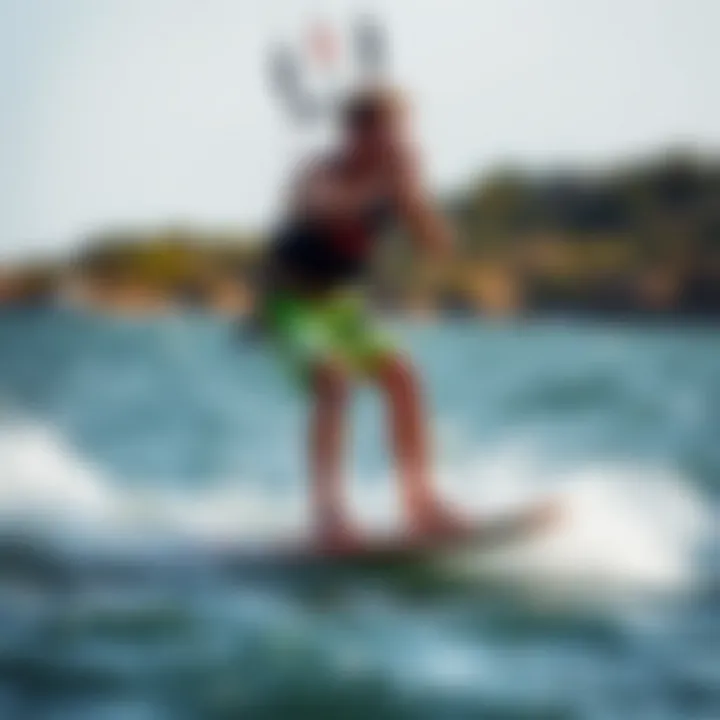
This feature is particularly advantageous when attempting challenging tricks, as subtle adjustments can lead to maintaining height and control. Riders can engage in tricks like turns and jumps that seem almost effortless due to the responsive nature of the hydrofoil.
"Riding with a hydrofoil transforms the kiteboarding experience; you feel connected to the water more than ever before." - A seasoned kiteboarder.
Greater Accessibility to Diverse Conditions
Another key benefit of hydrofoil kits is their adaptability to varying conditions. Unlike traditional kiteboarding, which requires specific wind conditions to perform optimally, hydrofoils can be used in light breezes and choppy waters without losing performance. This makes hydrofoil kits an attractive choice for enthusiasts wanting to capitalize on different environments.
For example, on a day when the wind is light and unpredictable, a hydrofoil can still provide a thrilling ride. The lift generated by the foils allows riders to glide smoothly even with minimal kite power. Conversely, they can also handle well in slightly gusty conditions, minimizing the risk of nose-diving—a common concern for traditional setups.
In essence, hydrofoil kits not only widen the spectrum of riding possibilities but also encourage practitioners to embrace conditions that previously might have been deemed unsuitable for kiteboarding.
With all these points in mind, it becomes evident that hydrofoil kits offer transformative benefits that significantly enhance the kiteboarding experience. From increased speed and performance to improved maneuverability and adaptability, these kits are paving the way for a broader adoption in the kiteboarding community. As such, they represent a substantial investment for anyone serious about elevating their time on the water.
Choosing the Right Hydrofoil Kit
Selecting the ideal hydrofoil kit is akin to picking the right pair of shoes before a long trek; it can significantly affect your performance and enjoyment on the water. The market is brimming with various options that cater to different skill levels and riding styles. Understanding how to navigate through the choices can enhance your kiteboarding experience and keep you flying smoothly.
Assessing Your Skill Level
Before venturing into the mesmerizing world of hydrofoiling, it’s crucial to take stock of your current kiteboarding proficiency. If you're just starting out, you might want to consider beginner-friendly kits designed for stability and ease of use. On the flip side, if you've been zipping across the waves for years, advanced hydrofoil kits that emphasize speed and agility might be more suited to your adventurous spirit.
When assessing your skill level, reflect upon:
- Experience with standard kiteboarding: If you’re already comfortable with traditional kiteboarding, transitioning to hydrofoiling might come easier to you.
- Understanding of balance and control: Hydrofoiling requires more finesse in controlling your board, so your ability in this area will directly influence your choice.
- Willingness to learn: Are you prepared to face challenges as you adapt to the unique dynamics of hydrofoils? Progressing to more complex rigs may be an exhilarating challenge.
Matching Kits to Riding Styles
Much like how surfing styles vary, the choice of a hydrofoil kit should mirror your specific riding style. Are you drawn to surfing waves, racing against the wind, or simply cruising on flat water? Each style has its nuances.
- Freestyle Riding: Looking to perform tricks? Kits designed for freestyle often have a shorter mast and a larger wing for optimal maneuverability.
- All-Around Riding: If you love mixing it up, opt for a balanced kit with a medium mast and versatile wings that allow you to explore various riding conditions.
- Performance and Racing: For those aiming to cut through gusts at high speeds, a premium kit with a longer mast and specialized wings would be ideal.
Finding a match between your hydrofoil kit and riding style not only boosts your comfort but also amplifies your performance, ensuring you get the most out of each session.
Budget Considerations
One cannot overlook the impact of financial outlay when selecting a hydrofoil kit. The costs can span from budget options to high-end models, and having a clear budget in mind is essential. While it might be tempting to invest in the flashiest gear, it’s important to weigh the price against your needs and long-term involvement in the sport.
Here are some areas to consider while budgeting:
- Initial Investment: Entry-level kits can start around $600, while more advanced options can easily soar above $2,000.
- Maintenance and Upgrades: Factor in future expenses for repairs, replacements, or upgrades. Hydrofoils may occasionally need fine-tuning or new wings as you develop your skills.
- Resale Value: Some brands retain their value better than others, so if the time comes to upgrade, know you might recoup some costs.
This consideration isn’t just about the price tag; it’s about ensuring you have the right tools to fully enjoy your kiteboarding adventure without breaking the bank.
In a nutshell, choosing the right hydrofoil kit involves understanding your skill level, matching equipment to your riding style, and being mindful of your budget. Making informed decisions will pave the way to thrilling kiteboarding experiences, leaving you eager to embrace the open water.
Installing and Assembling Hydrofoil Kits
Installing and assembling hydrofoil kits is a pivotal part of the kiteboarding experience. A well-assembled foil can significantly enhance performance, offering stability and ease of control on the water. Moreover, understanding the assembly process not only improves your riding skills but also familiarizes you with the kit's components, leading to better maintenance and troubleshooting down the line. Getting it right the first time ensures that you spend less time on dry land contemplating your next ride and more time slicing through the waves.
Tools Required for Assembly
Before diving into the assembly, it’s crucial to gather the right tools. Having everything at your fingertips can make the process smoother. Here’s a list of essential tools you’ll need:
- Wrench Set: For tightening bolts and screws securely.
- Screwdrivers (flat and Phillips): To attend to different types of screws you’ll encounter.
- Allen Keys: Often required for the attachment of the foil to the board.
- Tape Measure: To ensure accurate measurements, especially for mast height adjustments.
- Locking Pliers: Handy if you need an extra grip while dealing with stubborn fittings.
- Lubricant: Some screws might need a dab of grease to make assembly easier.
Gathering these tools ahead of time can save you from unnecessary trips back and forth to your shed or garage during assembly.
Step-by-Step Assembly Guide
Now that you have your tools ready, let’s walk through the assembly process, step by step. Remember, precise assembly can make a world of difference in your riding experience:
- Foil Inspection: Start by laying out all the components and inspecting them for any damage. It’s best to address any issues right away.
- Mast Attachment: First, connect the mast to the fuselage. Align the mast base with the fuselage slot and securely fasten it using the provided screws. Ensure it’s tight but don’t overdo it—stripping screws is a common rookie move.
- Attaching the Wings: Next, attach the front wing to the bottom of the fuselage, followed by the rear wing. Make sure you use the right placement according to the manufacturer’s guidelines. Ensure screws are tightened well but again, avoid over-tightening.
- Board Connection: With the foil assembled, it's time to attach the entire kit to the board. Position the plate on the board and match the holes. Use the wrench to hammer in the screws from the underside.
- Final Adjustments: Once everything is in place, take a moment to double-check connections. Ensure that the mast is perpendicular to the board. Utilize your measuring tape if necessary.
- Rinse and Finish: Finally, give your setup a gentle rinse if you were outdoors. A quick wipe down will ready your kit for that first run.
It’s recommended to consult your specific kit’s manual for any unique steps or variations that might not be covered here.
Common Assembly Mistakes to Avoid
Even the most seasoned kiteboarders can fall prey to simple assembly blunders. Here are some pitfalls to watch out for:
- Ignoring the Manual: Each model has quirks that might not be obvious. Don’t skip reading it.
- Over-Tightening Screws: It’s easy to think more tight equals more secure, but often it's counterproductive;
- Misaligning the Mast: This might not be immediately noticeable but can lead to performance issues on the water.
- Forgetting to Lubricate: Some screws might need more tenderness; a bit of lubricant can do wonders.
- Omitting Checks: Before taking it out, do a quick inspection. A loose screw can turn a fun day into disappointment fast.
By avoiding these common errors, you can ensure a more enjoyable and safer hydrofoiling experience.
"A well-set hydrofoil kit is like a finely tuned instrument; its performance depends on the precision of its assembly."
Taking the time to understand the assembly process will not only enhance your efficiency but will also give you the confidence to tackle more complex setup challenges in the future. Kiting isn’t just about skill on the water; it’s also about mastering your equipment. This understanding will revolutionize your experience out on the waves.
Techniques for Riding with Hydrofoils
Understanding the techniques for riding with hydrofoils is essential for kiteboarding enthusiasts looking to elevate their skills. These techniques not only enhance your performance but also significantly influence your overall enjoyment on the water. With hydrofoils, riders can achieve speeds and thrills that traditional kiteboarding setups can’t match. However, mastering these techniques involves a blend of skill, awareness, and practice. In this section, we will break down the fundamental aspects of hydrofoil riding into three key subcategories: basic riding techniques, advanced maneuvers, and safety practices.
Basic Riding Techniques
Getting the hang of riding with a hydrofoil requires a solid understanding of basic techniques. First things first, you need to know how to find your balance. When you first start, it’s advisable to keep your weight centered over the board. Leaning too far back can cause the foil to breach, dropping you into the water. Conversely, leaning too far forward might send you tumbling headfirst.
- Starting Off: Begin by practicing on flat water to develop your confidence. Once you get accustomed to the sensation of the foil lifting out of the water, don’t hesitate to gradually move into small waves or choppy conditions.
- Power Control: Managing the kite’s power is crucial. Using smaller kites can be beneficial at the beginning, as they provide better control in the learning phase. Keep your kite low in the window when you’re starting to foil, as this allows for your initial lift without overwhelming you.
- Riding Position: Keep your knees slightly bent and your body relaxed. This stance helps absorb any shock, making it easier for you to adjust your center of gravity as needed.
Advanced Maneuvers
Once you’ve grasped the basics, it's time to explore advanced maneuvers that can truly showcase the potential of hydrofoils. Mastering advanced techniques can not only impress your fellow kiteboarders but also dramatically enhance your riding style.
- Carving Turns: Carving involves shifting your weight and tilting your board on edge to turn smoothly. This requires a fine balance of pressure on the back foot and control of your kite’s position.
- Jumping: To jump on a hydrofoil, approach with speed and load up the board by pressing down on your back foot. When you feel the lift, pull up on your kite while simultaneously pulling your knees toward your chest. Keep your eyes on your landing spot to ensure a smooth touchdown.
- Transitions: Mastering the art of transition while hydrofoiling can be exhilarating. Turn hard to one side to switch directions seamlessly; maintain speed and balance as you rotate the board under your body.
Safety Practices
Like any water sport, safety when riding with hydrofoils cannot be overstated. Taking the time to understand and implement safety practices will ensure a more enjoyable experience on the water.
- Wearing a Helmet: When you’re foiling, the risk of a tumble is always present. A helmet can protect you from head injuries if you fall or make unexpected contact with the foil.
- Check Your Gear: Before heading out, always double-check your gear. Ensuring that the foil, straps, and lines are securely fastened can prevent accidents.
- Observe Your Surroundings: Stay alert and aware of other riders, swimmers, or any obstacles in the water. This vigilance will serve you well as you practice your hydrofoil skills, especially in crowded areas.
Always remember that practice makes perfect. Take your time, establish a solid foundation, and gradually build upon your skills.
By paying attention to these techniques—starting with the fundamentals and progressing to advanced maneuvers, while prioritizing safety—you can ride with hydrofoils confidently and skillfully. The thrill and satisfaction that come from mastering hydrofoil riding are well worth the effort, and you'll undoubtedly find yourself drawn to this dynamic aspect of kiteboarding.
Maintenance and Care for Hydrofoil Kits
Maintaining a hydrofoil kit may seem like a chore, but it’s vital for ensuring its longevity and reliability on the water. Just as a well-tuned engine gets you further without hiccups, a properly cared-for hydrofoil optimizes performance. Neglecting maintenance can lead to larger problems down the road, such as decreased efficiency or even safety issues while riding. Whether you're a seasoned pro or a novice, understanding the significance of routine care will enhance your kiting experience.
Routine Maintenance Checks
Regular checks can save you from unexpected difficulties while riding. Here are key aspects to consider:
- Foil Integrity: Inspect the entire foil for any signs of wear or damage. Small nicks or cracks may seem minor, but they can affect performance.
- Mast Connections: Ensure that all parts of the mast are secure and free of corrosion. Loose or rusted fittings can lead to catastrophic failures.
- Fuselage Alignment: Misalignment can not only affect your ride but also damage the foil. Regular checks keep everything balanced.
“The devil is in the details.” A simple crack can spell disaster on the water.
By dedicating time to these routine checks, you minimize risks and maximize the sweet thrill of hydrofoiling.
Cleaning and Storage Tips
Keeping your hydrofoil clean is just as important as routine checks. Saltwater and sand can wreak havoc on your equipment. Here are some tips:
- Freshwater Rinse: After every session, rinse your foil and accessories with fresh water. This helps to remove salt and other corrosive elements.
- Thorough Drying: Allow everything to dry completely before storing. Leaving moisture can cause mold or corrosion.
- Store Properly: Keep your hydrofoil in a cool, dry place. Consider using a dedicated bag or case to protect against dust and accidental damage.
Additional Tips:
- Use soft cloths for cleaning—avoid abrasive materials that can scratch surfaces.
- Keep components like fins in a secure location to prevent them from bending or breaking.
Troubleshooting Common Issues
Issues can crop up even with the best care. Here are some common problems and suggestions on how to address them:
- Poor Lift: If your hydrofoil isn't lifting properly, check the angle of your mast. It might need adjustment.
- Vibrations on Ride: Excessive vibrations can indicate a misalignment. Re-examine mast and fuselage connections.
- Leaking Components: Stay alert to any signs of wear and replace parts instead of hoping they’ll last longer.
By following these guidelines and developing an understanding of your kit, you ensure not just a longer lifespan but also a more enjoyable ride. Being proactive about maintenance and care ultimately leads to a smoother experience in the thrilling waters of kiteboarding.
Exploring Popular Hydrofoil Models on the Market
The landscape of hydrofoiling keeps evolving, with a plethora of models available to kiteboarders seeking both performance and innovation. As kiteboarding continues to gain traction globally, understanding the array of hydrofoil options becomes crucial. Not only does the right kit enhance the riding experience, but it can also elevate performance, allowing enthusiasts to discover their fullest potential on the water. In this section, we’ll delve into notable brands, compare leading models, and share real-life user experiences that can guide your purchasing decisions.
Top Hydrofoil Brands
When examining hydrofoil kits, it’s essential to recognize the brands that stand out for their reliability and performance. Some manufacturers have cultivated a reputation that resonates with both novices and seasoned pros alike. Here are a few noteworthy names:
- LF (Liquid Force): Known for its user-friendly designs, LF creates kits that target beginner and intermediate kiteboarders, combining ease of use with solid performance.
- F-One: This brand offers a range of models that promise exceptional handling and acceleration, catering well to those who look for versatility in their riding style.
- Naish: Well-respected within the kiteboarding community, Naish produces hydrofoils that focus on stability and precision, making them a favorite for those who crave accuracy.
- Slingshot: Slingshot's hydrofoil kits are built for durability and performance, often seen in competitive scenarios due to their advanced technology.
- Duotone: Combining style with function, Duotone foils emphasize speed and agility, suitable for riders looking to push the limits of what a hydrofoil can do.
Comparative Reviews of Leading Models
The choice of hydrofoil often pivots on specific models that cater to varied needs. Several factors—such as board size, material, and design—can dramatically influence riding experience. Here’s a brief comparative lens on some of the leading hydrofoil models:
- Liquid Force Happy Foil: Perfect for beginners, its lightweight build and easy-to-control mast height offer a smooth introduction to foiling. Users rave about the soft take-offs and sweet ride.
- F-One Flying Camel: An excellent choice for intermediate to advanced riders, it provides outstanding lift and responsiveness without sacrificing stability. Ideal for choppy conditions, it allows for confident maneuvering.
- Naish Hover: Featuring a unique design targeting speed, the Hover excels in flat water, delivering remarkable performance. Reviews often cite its ability to glide effortlessly through various conditions.
- Slingshot Phantom: Known for its stability and control, this model is particularly useful in surf conditions. Riders appreciate the freedom and versatility it offers, making it adaptable to personal styles.
- Duotone Pace: With an emphasis on speed and agility, this model shines in competitive settings. Riders frequently comment on its rapid acceleration and responsiveness to rider inputs.
User Testimonials and Experiences
Real feedback from fellow kiteboarders can offer invaluable insights into the usability of a hydrofoil kit. Here’s what enthusiasts have shared about their experiences:
"Switching to the Liquid Force Happy Foil was a game-changer for me. I felt comfortable right away, and it made learning new tricks much easier!" – Jess.
"The stability of the Naish Hover allowed me to focus on my technique rather than worrying about falling. I highly recommend it for anyone looking to improve their skills without the fear of wiping out!" – Mark.
"After trying several models, I’ve settled on the Slingshot Phantom. It has held up well against rougher conditions and has boosted my confidence immensely." – Alex.
The Future of Hydrofoiling in Kiteboarding
The future of hydrofoiling in kiteboarding promises to reshape the way enthusiasts experience this exhilarating sport. As technology continues to advance and more kiteboarders embrace hydrofoil kits, the landscape is poised for significant transformation. The importance of understanding these changes cannot be overstated, as they bring new opportunities and challenges alike.
Innovations in Hydrofoil Technology
The pace of innovation in hydrofoil technology is nothing short of remarkable. Manufacturers are constantly pushing the envelope to create foils that are not only lighter and stronger but also more aerodynamic. Materials like carbon fiber are increasingly used, creating a fantastic strength-to-weight ratio that enhances performance and durability. Moreover, smart foiling is making waves, integrating sensors and GPS technology into the designs. This provides valuable feedback in real time, allowing riders to optimize their technique and performance based on precise data.
Additionally, modular designs are becoming a trend. This allows riders to customize their hydrofoil kits easily according to their riding style or the conditions on the day. It’s phenomenal how one setup can serve various purposes, from cruising to surfing, thus enhancing the longevity and versatility of the equipment.
Trends in Community Adoption
Community engagement plays a crucial role in the burgeoning hydrofoiling scene. Social media platforms such as Instagram and dedicated forums on Reddit have greatly influenced the adoption of hydrofoiling among kiteboarders. Riders share their experiences, tips, and tricks, helping novices climb the learning curve. From local meetups to international competitions, the community's enthusiasm is contagious.
More kiteboarding schools are incorporating hydrofoil training into their programs, recognizing the growing demand for these skills. This trend not only boosts the number of people learning the sport but also enables a culture of shared experiences which strengthens the community. The rise in availability of hydrofoil-specific events has also created exciting platforms for competitors to showcase their skills, fostering both camaraderie and competition.
Environmental Impact Considerations
As with any sport that relies on natural environments, the ecological footprint of hydrofoiling needs careful consideration. Hydrofoiling has the potential to minimize this impact as it allows riders to access select waves and wind without the noise and pollution associated with motorized craft. However, it’s essential for the hydrofoiling community to remain vigilant about preserving marine ecosystems.
Awareness initiatives can be pivotal in educating users about sustainable practices. Adopted measures might include cleaning ocean trash while out riding or participating in local conservation projects.
In summary, looking ahead, the future of hydrofoiling in kiteboarding appears bright. Whether the focus is on innovative technology, community growth, or environmental stewardship, the direction in which the sport is headed showcases a commitment to progress, sustainability, and inclusivity. Only time will tell how these elements converge to redefine the experience of kiteboarding enthusiasts worldwide.