The Importance of Flotation Vests in Kiteboarding
Intro
When it comes to kiteboarding, safety should never be an afterthought. Among the myriad of gear options available, flotation vests hold a pivotal role in ensuring that riders are not just stylish on the water, but also secure. They are designed not only to keep you afloat in the event of an unexpected spill but to help enhance your overall performance by providing the right balance and protection. In this article, we will delve into the intricacies of flotation vests, focusing on their construction, various types, and the critical safety standards required in kiteboarding.
Understanding flotation vests goes beyond merely selecting a piece of equipment. It encompasses recognizing how they affect buoyancy and rider safety. This knowledge is crucial for both novices, who are just finding their footing in the sport, and seasoned kiteboarders, who might be looking to upgrade their gear. We aim to present a thorough guide that equips you with the necessary insights to make informed decisions regarding flotation vests, thus fostering a safer kiteboarding experience for everyone involved.
As we navigate through the specifics of flotation vests, let’s start with some techniques that can enhance your kiteboarding skills, allowing you to ride more confidently and safely.
Understanding Flotation Vests
When it comes to kiteboarding, understanding flotation vests is not just a matter of safety—it's about maximizing your experience on the water. Flotation vests play a key role in ensuring that riders remain buoyant, reducing the risk of fatigue and enhancing overall performance. In this section, we will investigate the definition and purpose of flotation vests, as well as their integral relationship with water sports safety.
Definition and Purpose
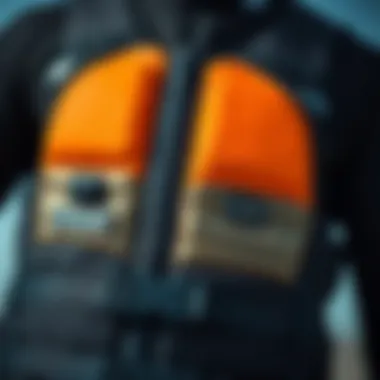
At its core, a flotation vest, also known as a buoyancy aid, is designed to provide additional buoyancy to the wearer. Unlike life jackets, which are bulky and designed to keep you afloat in a vertical position, flotation vests offer a lower profile, allowing more freedom of movement. This is particularly important in kiteboarding, where agility and flexibility are essential.
These vests are typically made with lightweight materials that allow riders to maintain their pace while providing just enough buoyancy to keep them above the water's surface. The primary purpose of flotation vests is to enhance safety without compromising performance. They reduce the chances of accidental immersion while offering support in case a fall occurs. With the right flotation vest, kiteboarders can navigate the waves with confidence, knowing they have an additional layer of security.
Relation to Water Sports Safety
When it comes to water sports, safety is paramount. Flotation vests serve as a crucial component of a comprehensive safety strategy for kiteboarding enthusiasts. They are not just a suggestion but, in many places, a requirement. Understanding their role can save lives.
- Increased Visibility: Many of these vests come in bright colors or reflective materials, making users more visible in the water. This is vital, particularly in busy areas where boats and other watercraft are present.
- Reduced Risk of Drowning: Flotation vests help prevent drowning by keeping the user's head above water in the event of a wipeout. This is especially vital for beginner kiteboarders who may not yet be comfortable in open water.
- Energy Conservation: By providing buoyancy, these vests reduce the energy needed to stay afloat, which can alleviate fatigue as riders enjoy their time out on the water.
This blend of functionality and safety ensures that kiteboarders can push their limits while feeling secure. As more individuals take up the sport, understanding the significance of flotation vests becomes increasingly important. Remember, it’s not just about having fun; it’s about being safe while doing what you love.
Types of Flotation Vests
When it comes to ensuring safety while kiteboarding, understanding the different types of flotation vests is crucial. These vests serve a dual purpose: they provide necessary buoyancy and facilitate freedom of movement. Kiteboarding is a dynamic sport with many variables; thus, selecting the appropriate flotation vest can mean the difference between a smooth ride and an emergency situation on the water.
To break it down simply, flotation vests generally fall into two main categories: buoyancy aids and personal flotation devices. Each serves distinct purposes and is suited for different scenarios.
Buoyancy Aids
Buoyancy aids are essential for kiteboarders who want to enjoy the thrill while staying safe. These vests are designed primarily to offer a degree of buoyancy without overly restricting movement. Unlike traditional life jackets, buoyancy aids don't always require compliance with stringent safety standards, but they provide noticeable flotation when needed.
Important aspects to consider about buoyancy aids include:
- Lightweight Design: They are generally constructed using materials that are light, allowing kitesurfers to glide through water with ease.
- Flexibility: The design permits a wide range of motion, which is vital during advanced maneuvers like jumps or spins.
- Layering Capabilities: Buoyancy aids can be worn over other garments, which can provide additional warmth for colder water conditions without weighing the rider down.
For kiteboarders, choosing a buoyancy aid comes down to the balance between safety and performance. A vest that allows freedom to move will likely enhance your riding experience without compromising safety in case of a fall.
Personal Flotation Devices
On the other hand, personal flotation devices (PFDs) offer higher buoyancy levels and generally follow stricter safety regulations. These vests are built for occasions where the risk of drowning is a significant concern. PFDs envelop the wearer more completely than buoyancy aids and provide essential buoyancy even if the wearer is unconscious.
Key features of personal flotation devices include:
- Certification and Standards: Most PFDs meet regulatory requirements set by organizations like the U.S. Coast Guard or equivalent bodies in other countries. This adherence ensures that they offer a safe, reliable product.
- Various Styles: PFDs come in different styles, from compact and minimalist to bulkier models with added features like pouches for gear.
- Stability and Support: These devices are specifically designed to keep one's head above water, enhancing survivability in emergencies.
While opting for a personal flotation device may restrict certain movements, the peace of mind they provide can be invaluable. Ultimately, understanding the distinction between buoyancy aids and personal flotation devices helps kiteboarders make informed choices, tailoring gear to individual riding styles and environmental conditions.
"Choosing the right flotation vest can significantly enhance your safety and performance on the water. The right fit means more comfort and less distraction, allowing you to focus on enjoying the ride."
In summary, the types of flotation vests available cater to various needs and preferences among kiteboarders. Whether it's the lightweight flexibility of buoyancy aids or the dependable safety of personal flotation devices, understanding these options sets the stage for a safer kiteboarding experience.
Design and Construction
The design and construction of flotation vests represent a cornerstone of their function and effectiveness in kiteboarding. Unlike ordinary jackets, flotation vests are engineered to strike a delicate balance between buoyancy, mobility, and comfort—key elements that can determine success or failure when riding the waves. When kiteboarding, a rider's safety and performance are often intertwined; hence, a well-constructed vest can make all the difference in navigating challenging water conditions. This section delves into the essential components that define a flotation vest’s efficacy.
Materials Used
The choice of materials in flotation vests plays a crucial role in determining their functionality and longevity. Most vests utilize a mix of synthetic and foam materials designed to provide adequate buoyancy without compromising ease of movement. Here are some commonly used materials:
- Nylon and Polyester: These fabrics offer durability and resistance against the wear and tear that often occurs in water sports. Nylon is particularly known for its strength and quick-dry capabilities, making it ideal for flotation vests.
- EVA Foam: Ethylene-vinyl acetate foam is lightweight yet provides excellent floatation. Its structure helps in resisting abrasions and prolongs the vest's durability, making it a staple in many high-quality flotation vests.
- Neoprene: Known for its insulating properties, neoprene adds an extra layer of comfort and warmth. It's flexible, allowing for a snug fit, which is particularly advantageous for riders who need more freedom of movement when maneuvering their boards.
When selecting a vest, always check the labels for mentions of these materials as they can indicate the robustness and performance level of the vest. Lightweight materials often enhance maneuverability, while waterproofing layers can protect from getting soaked too quickly.
Ergonomic Considerations
Ergonomics, often neglected, is vital in the design of flotation vests for kiteboarding. A properly fitting vest should move with the body and not against it. Here are some ergonomic aspects that manufacturers should consider:
- Adjustable Straps: Straps that allow for personalized fitting can make a vested boat ride much more comfortable. Adjustable configurations can help accommodate different body shapes and sizes, ensuring that the vest doesn’t ride up or shift around during action.
- Flexible Design: A vest should be streamlined and cut to promote movement. A design that restricts arm or torso mobility can hinder performance, such as executing turns or jumps. Look for designs that allow for a full range of motion.
- Ventilation Features: A vest that incorporates ventilation points can prevent overheating during hot conditions. Breathable materials can help dissipate moisture, which is essential for prolonged sessions on the water.
Choosing a vest that considers these ergonomic principles can significantly improve comfort and overall performance during kiteboarding. A well-designed flotation vest should feel like a second skin, boosting confidence while riding.
"The right flotation vest is like finding the perfect pair of shoes; it needs to fit right, feel right, and perform under pressure."
By focusing on materials and ergonomic design, kiteboarders can make informed choices about flotation vests, enhancing not just their safety but their overall experience in the sport.
Choosing the Right Flotation Vest
Choosing the right flotation vest is crucial for both the enjoyment and safety of kiteboarding. A well-fitting flotation vest can make all the difference while you’re harnessing the wind and gliding over the waves. With such a wide array of options available on the market, it's essential to consider various elements like size, fit, and intended use.
When you look at flotation vests, keep in mind that your safety is intertwined with comfort and functionality. A vest that is too loose can be hazardous, as it may shift in the water, compromising your ability to stay afloat. On the flip side, a vest that is too tight could restrict your movement, making it difficult to maneuver while kiteboarding. The key is to find a balance that suits your style and needs.
Sizing and Fit
Sizing and fit should be at the top of your priority list when selecting a flotation vest. Every brand may have slight differences in sizing guidelines, so check the manufacturer’s fit chart meticulously. While some vests can come in standard sizes like small, medium, or large, it’s worth considering that individual body types vary significantly.
- Measurement: Measure your chest circumference at the widest point. Most flotation vests will require this measurement for a proper fit.
- Try it On: If possible, try the vest on over your usual water gear. A vest should feel snug but not constrictive.
- Movement Assessment: Move around. Raise your arms and simulate kiteboarding motions to ensure the vest allows for full mobility. If you can’t move freely, it might be wise to try another size or style.
Also, look for features like adjustable straps that can provide a customized fit. Remember, you don't want to end up with a flotation vest that feels like a suit of armor when all you need is something that keeps you safe while allowing you to perform.
Intended Use and Activity Level
Understanding your intended use and activity level is essential for selecting the right flotation vest. Kiteboarding is an energetic sport, often demanding balance and agility; thus, your vest should align with your intended level of activity.
- Recreational Use: If you're casually heading out for a day at the beach with the kids, a basic buoyancy aid may suffice. Look for comfortable designs that allow for free movement.
- Performance and Tricks: For those attempting high-energy moves or kite tricks, a more specialized vest that focuses on low-profile designs may be necessary. This helps to maintain hydrodynamics while providing buoyancy.
- Conditions: Factor in the conditions you’ll be kiteboarding in. If you’re facing rough waters, a flotation vest with attractive features for safety like reflective strips or neon colors could add an additional layer of assurance.
In sum, carefully assess how you plan to use your flotation vest, and choose accordingly. This aspect becomes especially important when considering varying water conditions and the intensity of activity.
"The best flotation vest is not just about buoyancy; it’s about ensuring that you can ride the waves while feeling secure and unrestrained."
Flotation Vest Safety Standards
In the realm of kiteboarding, safety stands central to every thrill-seeking ride. Therefore, understanding flotation vest safety standards is paramount. These standards provide a framework that influences the design, manufacturing, and testing of flotation vests. This means that when a kiteboarder slides into the water, the gear they rely on has been crafted with specific safety measures in mind. It's not just about style and comfort; it's about ensuring the vest performs under duress, providing buoyancy when it matters most.
The safety standards for flotation vests often come from rigorous testing by recognized bodies. They assess factors such as buoyancy, buoyancy retention, and how well the vest remains functional even after repeated use in harsh marine conditions. When consumers prioritize compliance with recognized standards, they essentially align their safety with the benchmarks set within the industry. This makes purchasing the right flotation vest less of a gamble and more a matter of informed choice.
Regulatory Bodies and Compliance
Regulatory bodies play a crucial role in shaping the landscape of flotation vest safety. In the United States, for instance, the United States Coast Guard (USCG) is the primary authority that sets the standards for personal flotation devices. Vests approved by the USCG typically carry a label indicating their compliance with these stringent safety regulations. This indicates that the vest has passed tests for buoyancy, durability, and flotation performance.
Across the globe, different countries have their agencies, such as Transport Canada in Canada or the European Committee for Standardization (CEN) in Europe, which establish similar protocols. This international overlap ensures that wherever you might find yourself kiteboarding—from the beaches of California to the shores of Spain—you are equipped with gear that meets robust safety requirements.
Certification Labels to Look For
When browsing for flotation vests, having a keen eye for certification labels is essential for making a smart choice. It can save lives. Look for labels such as:
- US Coast Guard Approval: This ensures the vest meets the necessary standards set forth by the USCG.
- ISO 12402: This standard provides a compliance mark for vests sold in Europe, indicating it has met rigorous safety testing.
- ASTM F2439: This is an American standard for vests designed specifically for water sports.
Being vigilant about these certification labels means that your flotation vest has undergone stringent quality checks. As a kiteboarder, you want to ensure that the vest you choose is properly vetted and guaranteed to perform should the unexpected occur. This vigilance not only enhances personal safety but also contributes to a broader culture of safety within the kiteboarding community.
Maintenance and Care
When it comes to maximizing the lifespan and effectiveness of flotation vests in kiteboarding, proper maintenance and care cannot be overstated. These vests play a critical role in ensuring the safety of riders, and treating them with the respect they deserve can make a world of difference in their durability and reliability. Using flotation vests that are well-maintained ensures that they maintain their buoyancy and functionality when needed most. Imagine cruising through the waves, only to find that your vest has given up on you during a crucial moment. That’s a scenario that can be avoided with a little foresight in maintenance.
Cleaning Procedures
Keeping your flotation vest clean is not just about aesthetics; it's about functionality, too. Saltwater, sand, and dirt can accumulate in crevices, potentially compromising the vest's buoyancy.
- Rinse Thoroughly: After every session, rinse your vest with fresh water to remove salt, sand, and any grime. This is a quick yet crucial step that could prolong the life of your vest.
- Gentle Soap Wash: Occasionally, using a mild soap can make a difference. Just remember, don’t go overboard with detergent. A simple sponge or soft cloth will do just fine for scrubbing away stubborn stains without damaging the fabric.
- Air Dry: Avoid putting your vest under direct sunlight for prolonged periods. Instead, let it air dry in a shaded or ventilated space. High heat can warp the materials and decrease buoyancy.
- Inspect Regularly: While cleaning, take the opportunity to inspect your vest for any signs of wear and tear. Look out for frays, cracks, or anything that seems off. A small issue today could turn into a major problem tomorrow.
Storage Recommendations
Proper storage can drastically change how long your flotation vest remains effective. It's not just about putting it back in the bag; it's about ensuring it's ready for the next ride.
- Dry Before Storing: Never store your vest while it's damp or wet. Moisture can lead to mold or unpleasant odors. Make sure it is completely dry before rolling it up.
- Avoid Creases: Store your vest flat or hung. Folding it up too tightly can cause creases that may impact the buoyancy features.
- Keep It Safe from Heat: Much like drying, storing your vest away from heat sources like radiators or direct sunlight is key. High temperatures can damage materials and make them less reliable.
- Use a Mesh Bag: If possible, use a mesh bag for storage. This allows the vest to breathe and prevents stagnant moisture, while also keeping it from getting crushed under heavier gear.
Proper care isn't just maintenance; it's an investment in your safety and performance.
By adhering to these maintenance practices and storage recommendations, you not only extend the life of your flotation vest but also ensure your safety on the water. In a sport where conditions can change in the blink of an eye, having gear you can count on is invaluable. Investing time into proper care is as crucial as the gear itself, making it an essential part of your kiteboarding preparation.
Flotation Vest Usage in Kiteboarding
Flotation vests hold a crucial role in the dynamic environment of kiteboarding. They are not just an accessory; they offer a lifeline in unpredictable water conditions and can significantly influence a rider's overall experience. For kiteboarders, the combination of adventure and safety creates the foundational balance necessary for enjoying this exhilarating sport.
Role in Thrill and Safety Balance
When kiteboarding, where gusting winds meet rolling waves, riders often find themselves in thrilling scenarios. Safety becomes paramount, and flotation vests serve as an essential component in this mix of thrill and precaution. They provide buoyancy, helping riders maintain their position on the water and reducing the risk of incidents during extreme maneuvers.
Imagine a kiteboarder attempting to execute a complex jump, the momentum pulling them higher into the sky. Upon landing, if they misjudge their position, a flotation vest can cushion the blow and keep them afloat, enabling them to recover quickly, reducing potential injuries. The vest works not only as a safety net but also as an enabler, giving riders the confidence to push their limits.
Real-World Application Scenarios
The real-world applications of flotation vests in kiteboarding are diverse and often situation-dependent. Consider the following scenarios that illustrate the importance of wearing a flotation vest properly:
- Choppy Waters: During a windy day with choppy waves, even an experienced kiteboarder might find themselves unexpectedly taken off-balance. In such situations, a well-fitted flotation vest acts as a stabilizing force, allowing the rider to stay above water while regaining control of their board.
- Inexperienced Riders: For beginners, the learning curve can be steep. Accidental falls are common, and the buoyancy offered by a flotation vest not only aids in keeping them afloat but also serves as a physical reminder of their safety. A beginner who knows they have support is more likely to take the plunge and learn quicker.
- Rescue Operations: In some extreme cases, kiteboarders may find themselves in need of rescue. A flotation vest enhances visibility in the water, making it easier for fellow riders or rescue personnel to spot someone in distress. This feature could indeed be the difference between a swift recovery and a more dire situation.
"In kiteboarding, every second counts, and having the right gear, like a flotation vest, can mean the difference between a great day on the water and a potentially dangerous situation."
Ensuring that you're properly equipped with a flotation vest tailored to your needs guarantees not only safety but also enhances your overall riding experience.
Comparative Analysis


A comparative analysis of flotation vests involves a thoughtful examination of how these safety devices stack up against traditional life jackets. This analysis isn't just for the sake of it; it plays a crucial role in the decision-making process for kiteboarders. When you consider the subtleties between the two types of gear, you find that not all flotation devices are cut from the same cloth. Understanding these differences can greatly enhance rider performance while ensuring safety on the water.
Flotation Vests vs. Life Jackets
Flotation vests and life jackets are both crucial safety gear for anyone venturing onto the water, but they serve somewhat different purposes. Let's break it down:
- Design Purpose: Flotation vests are designed with active water sports in mind. They offer greater freedom of movement, which is ideal for kiteboarding where the rider needs to move dynamically. In contrast, life jackets are more rigid and buoyant, prioritizing the passive safety of flotation.
- Safety Certification: Life jackets typically meet more stringent safety regulations, such as those enforced by the Coast Guard in many countries. Flotation vests, while still safe, might not always meet the same standards due to their more flexible design.
- Comfort and Fit: Flotation vests usually fit snug but allow for greater mobility due to their tailored fit. Life jackets might feel bulkier, which can be a drawback for sports that require agility.
- Buoyancy Level: Vests often provide a lower level of buoyancy, which is ample for water sports like kiteboarding, while life jackets are designed to keep a person afloat even when unconscious, making them better for non-activity scenarios.
"Choosing the right vest can mean the difference between a thrilling experience and a disastrous one on the water."
Ultimately, the decision between a flotation vest and a life jacket comes down to the activity being performed. For kiteboarding, a flotation vest can offer the balance of safety and freedom, making it a more practical choice for experienced riders.
Cost Analysis and Investment Considerations
When it comes to gear like flotation vests, a wise investment can mean all the difference in both performance and safety. Investing wisely doesn’t simply mean picking the cheapest option available; rather, it means understanding the long-term value of your purchase.
- Initial Cost: Flotation vests can range from budget-friendly to premium options. While it might be tempting to go for the lowest price, consider the quality of materials used. Cheaper vests may not hold up against wear and tear, especially in saltwater environments.
- Durability and Longevity: The lifespan of a flotation vest can vary significantly based on construction quality. A sturdy vest made of high-grade materials can provide you several seasons of service, while a flimsy one might need replacement after just one summer.
- Safety vs. Cost: Skimping on safety gear is never advisable. It’s important to weigh the potential risks of using an inexpensive flotation vest against the cost of a higher-quality option. If a vest isn’t dependable, it could lead to severe safety concerns.
- Future Trends: With advancements in technology and materials, many companies are upping their game. Newer vests could offer enhanced features such as integrated GPS or quick-release mechanisms, providing more value for just a bit more investment.
For further reading and insights, check out National Safe Boating Council or explore discussions on Reddit for real-world feedback from kiteboarding enthusiasts.
Influence on Performance
In kiteboarding, a sport where harnessing wind power can lead to thrilling highs, the role of flotation vests cannot be overstated. These practical pieces of gear influence performance in two significant ways: buoyancy and mobility, and the psychological impact they carry for riders.
Buoyancy and Mobility
When looking at flotation vests, buoyancy stands out as a crucial feature for kiteboarders. The purpose of buoyancy in this context is simple: to keep riders afloat when unexpected situations occur. In the unpredictable waters of kiteboarding, being able to stay above water can make all the difference, especially in rough conditions or strong currents. However, it’s not just buoyancy that riders should consider; mobility is equally important.
A vest that is too bulky can restrict a rider's movement, creating a hindrance that could affect performance. Ideally, a flotation vest should strike a balance between providing adequate buoyancy and allowing for a wide range of motion.
- Key points on buoyancy and mobility:
- Good buoyancy helps keep the rider afloat, which can be lifesaving in emergencies.
- Comfortable fit enhances mobility essential for executing tricks and maneuvers.
- Materials like neoprene or lightweight foams can keep the vest snug, reducing drag and maximizing performance.
Furthermore, understanding the vest’s buoyancy rating is critical. Flotation vests come with different ratings that indicate how buoyant they are, which allows for a more personalized fit depending on the rider's weight and skill level. Importantly, more buoyant vests may provide extra security for beginners, while seasoned riders may prefer a lighter vest that promotes agility.
Psychological Impact on Riders
The psychological aspect of wearing a flotation vest plays an often overlooked yet vital role in a rider's performance. Knowing that one has the protection and support of a vest can significantly reduce anxiety levels. For many kiteboarders, having that security can boost confidence, allowing them to push boundaries and perform at their peak.
- Consider these psychological factors:
- A sense of security can lead to better decision-making while riding.
- Reducing anxiety allows for greater focus on technique, improving overall performance.
- Psychological comfort can inspire riders to try new skills or tricks, enhancing their progress in the sport.
Riders may also benefit from camaraderie; seeing others wear the same type of flotation vest can foster a sense of community. When everyone is sharing in safety and performance, it can make the sport even more enjoyable and enticing to engage in at a deeper level.
"Wearing a well-fitted flotation vest gives me the confidence to try new tricks and take on tougher conditions. It's like having an invisible ally in the water."
—A seasoned kiteboarder
In summary, the flotation vest is far more than just a safety device; it enhances performance by providing both physical support through buoyancy and psychological comfort in challenging situations. By choosing the right flotation vest, riders can optimize their kiteboarding experience significantly.
Future Trends in Flotation Vests
The world of kiteboarding is not just about flying high above water; it's as much about safety and performance. As kiteboarding gains popularity, the demand for effective and innovative flotation vests increases. Understanding future trends in flotation vests becomes essential for both novices and experienced riders. These trends are not merely technical shifts; they reflect a growing awareness of environmental issues, the need for better safety measures, and the desire for enhanced rider comfort.
With the kiteboarding culture evolving, the significance of these trends can't be overstated. They promise to reshape how we think about safety gear in water sporting activities.
Innovative Technologies
The intersection of kiteboarding and technology is an exciting frontier. The latest flotation vests are equipped with advanced features that improve both functionality and safety. For instance, many new models now integrate smart materials that react to water conditions. These materials adjust the vest’s buoyancy in real-time, keeping the wearer safer in unpredictable scenarios.
Moreover, connectivity features, such as integrated GPS and emergency beacons, are becoming common. These technologies not only enhance safety but also allow for tracking a rider’s performance through mobile apps. Here are a few notable innovations in flotation vest technology:
- Lightweight Materials: Manufacturers are focusing on lighter-weight foam and fabric combinations, reducing bulkiness while maintaining buoyancy.
- Flexible Designs: Vests now offer adjustable straps and stretchable materials that conform better to the body, ensuring maximum comfort during movement.
- Ventilation Systems: Several brands are employing breathable materials that allow for better air circulation, making it comfortable to wear for extended periods.
These innovations in flotation vests can lead to enhanced performance for kiteboarders, allowing them to focus on their sport without the distraction of bulky, uncomfortable gear.
Sustainability in Materials
Sustainability is not a buzzword in the kiteboarding world, but a necessary shift towards environmentally friendly practices. The impact of pollution and waste in water sports has prompted industry leaders to rethink their production methods. Many brands are now prioritizing sustainable materials in their flotation vests, which is a step in the right direction.
Some initiatives include:
- Recycled Fabrics: Companies are beginning to use recycled plastics and old fishnets to create new flotation materials, significantly reducing waste.
- Natural Materials: There is a push for biodegradable components in flotation vests, which minimizes long-term environmental impact.
- Eco-friendly Manufacturing: Reducing chemical usage during production is a priority, as is aiming for lower-emission processes.
As kiteboarders become more conscious of their environmental footprint, the demand for sustainable products will likely increase. Vests made with eco-friendly materials can not only provide safety on the water but also reflect a rider's commitment to preserving the environment.
"Sustainable practices in water sports not only enhance safety but also contribute to the health of our oceans, ensuring future generations can enjoy kiteboarding just as we do today."
In summary, the future of flotation vests in kiteboarding is bright with advancements in technology and a compelling shift towards sustainability. These trends will not just benefit individual riders but also shape the industry as a whole, promoting a culture of safety, performance, and environmental consciousness.
Expert Opinions and Recommendations
Expert opinions and recommendations play a crucial role in shaping the understanding and acceptance of flotation vests within the kiteboarding community. These perspectives not only stem from years of practice in the field but also from a sound knowledge of safety protocols and performance enhancements. Engaging with these insights provides kiteboarders with a foundation for informed decision-making about their gear, ultimately improving safety and enjoyment on the water.
Industry Insights
When it comes to safely navigating the waters while kiteboarding, industry experts are invaluable resources. They often highlight the evolving dynamics of flotation vest technology and safety protocols. For example, many professionals stress the importance of selecting a flotation vest that balances buoyancy and mobility. Experts often cite that a vest with too much buoyancy could restrict movement, hampering the flyer’s performance.
Another critical point raised by industry insiders involves the ongoing upgrades in materials used for flotation vests. With advancements in lightweight, breathable fabrics, modern vests are designed not only to float but also to enhance comfort and ease of movement. Moreover, industry experts emphasize looking for vests with high visibility features, which can help in emergency situations by making the wearer easier to spot.
"The flotation vest is the unsung hero of kiteboarding gear. When chosen wisely, it ensures safety without compromising the thrill of the ride." – Ariel Long, Kiteboarding Safety Consultant.
User Testimonials and Experiences
User testimonials offer a direct glimpse into the real-world experiences of kiteboarders regarding flotation vests. Many riders share personal stories about the difference a well-fitted vest can make during intense sessions on the water. Some emphasize that wearing a flotation vest that provides adequate buoyancy without being cumbersome can shift the entire kiteboarding experience from stressful to exhilarating.
Kiteboarding forums, such as those on Reddit or Facebook groups dedicated to the sport, are rife with discussions where users exchange recommendations based on their experiences. You might come across stories from beginners, like a rider who found a specific brand’s vest drastically improved their confidence while learning jumps, praising its ergonomic design and lightweight feel.
Additionally, seasoned kiteboarders often narrate incidents where a flotation vest contributed to their safety during unexpected mishaps, reinforcing the necessity of having reliable equipment. Gaining insights from various user experiences helps build a broader understanding of how different flotation vests perform under diverse conditions and skill levels.
In sum, tapping into expert opinions alongside firsthand user experiences paints a comprehensive picture of the significance of flotation vests in kiteboarding. The blend of professional guidance and community feedback fosters an informed approach, ensuring riders make choices that prioritize their safety without sacrificing the excitement of the sport.
Community Perspectives
Understanding how flotation vests are perceived and utilized in the kiteboarding community is essential for improving both safety and performance. Community perspectives help in shaping best practices, addressing concerns, and fostering a culture where safety is taken seriously. Through shared feedback and experiences, kiteboarders can establish a collective knowledge base that enriches the sport. Not only does this serve individual riders, but it also enhances the overall kiteboarding experience as a whole.
When kiteboarders discuss their preferences and insights about flotation vests, they bring a wealth of real-world experiences to the table. These perspectives can lead to better product development, tailor-made to meet the needs of those who make the sport vibrant. Additionally, community feedback is instrumental in highlighting flaws or issues that manufacturers might overlook. If specific flotation vest models tend to ride up or restrict movement, for example, such insights can lead to improvements in design.
Gathering Feedback from Kiteboarders
It's no secret that firsthand experiences are invaluable when it comes to outdoor sports. Gathering feedback from kiteboarders on various flotation vests offers a more nuanced understanding that transcends simple product descriptions. The kiteboarding community is generally proactive in sharing thoughts, whether through forums like Reddit, social media, or local meet-ups.
Some aspects that feedback often highlights include:
- Comfort and Fit: How well does a vest fit across a variety of body types?
- Durability: Does the vest hold up against the rigors of saltwater, sun exposure, and wear and tear?
- Safety Features: Are riders confident in the flotation capabilities of their vests?
- Ease of Use: Is it easy to adjust, wear, and remove?
These reflections not only inform fellow kiteboarders but also serve as useful data for companies looking to develop better products. For instance, if several users report that a particular brand's vest lacks adequate buoyancy, manufacturers might be prompted to rethink their designs.
Sharing Knowledge and Experiences
A vibrant kiteboarding community thrives on active knowledge sharing. By recounting their own stories, kiteboarders can provide practical advice and valuable lessons learned from the water. Sharing knowledge goes beyond just talking about which vests are recommended; it includes discussing the context in which different vests shine or falter.
For example, a rider might share their experience in a local competition, noting how their flotation vest’s buoyancy and fit impacted their performance. Another might recount a challenging day when a poorly designed vest led them to struggle against the elements.
Such narratives can lead to conversations around:
- Best Practices: What features should every rider look for?
- Safety Innovations: What new technologies are worth exploring?
- Training Tips: How can one better prepare for adverse water conditions while wearing a vest?
Connecting shared experiences helps to cultivate a sense of unity and safety awareness in the community. Each story told can resonate with others, sparking discussions that foster a more informed and vigilant kiteboarding culture.
"A strong community builds stronger riders. Sharing lessons learned can make all the difference between just surviving and truly thriving in kiteboarding."
This community-driven approach not only amplifies awareness but also ensures that the safety protocols surrounding flotation vests are collectively upheld, shaping a smarter, more agile kiteboarding environment.
Emergency Situations
When engaging in kiteboarding, the thrill is matched by the unpredictability of the waters. Kiteboarders, whether novice or experienced, must be prepared for unforeseen circumstances that may require swift action. The role of flotation vests in these emergency situations becomes crucial, serving not only as a buffer against the forces of water but also as a lifeline in critical moments.
The essence of addressing emergency situations resides in the recognition that water sports can push safety boundaries. With wind conditions shifting rapidly and waves tossing even seasoned riders unexpectedly, knowing how to react is paramount. An incident might seem trivial at first—like a sudden fall—but it could escalate if the rider is unable to right themselves or becomes disoriented in the water. In this regard, flotation vests significantly enhance buoyancy and visibility, essential factors that can mean the difference between a minor mishap and a grave situation.
Response Protocols
Understanding response protocols in emergencies can spell the difference between chaos and control. Below are key aspects to consider:
- Stay Calm: Panicking leads to poor decisions. Keeping a level head allows for clearer thinking.
- Assess Your Surroundings: Quickly survey your environment for potential risks, like strong currents or nearby obstacles.
- Signal for Help: If you’re in distress and unable to swim, signaling your fellow kiteboarders or nearby onlookers can prompt immediate assistance.
- Use Your Flotation Vest: Flotation vests are designed for quick action by allowing you to float with minimal effort. Adjust your vest to ensure it fits snugly enough so it doesn’t ride up in the water.
- Practice Recovery Techniques: Regular practice of getting back on your board or returning to safety shore can make these actions instinctual when the moment arises.
"In the face of danger, preparation is your best friend. Knowing your gear and how to respond effectively can save lives."
Real-Life Case Studies
Real-life scenarios provide tangible lessons in the importance of flotation vests during emergencies. Here are two notable cases:
- Case 1: The Disoriented Rider
During a regional kiteboarding competition, a competitor found herself caught in a sudden squall, resulting in her being thrown into the water. Having donned a certified flotation vest, she was able to keep her head above water while retrieving her board. By keeping her composure, she signaled for help, leading a fellow competitor to quickly reach her despite the rough conditions. - Case 2: The Equipment Malfunction
An avid kiteboarder experienced a malfunction with his safety release during a high-speed maneuver. His flotation vest kept him afloat, allowing him to wave his arms and attract the attention of lifeguards on jet skis nearby. The vest gave him the necessary buoyancy to stay afloat while he waited for help, showcasing the critical nature of having reliable equipment in emergencies.
These examples underscore the vital role flotation vests play in emergency preparedness. In kiteboarding, being equipped is just as important as having the skill to maneuver through the exhilarating challenges of the sport.
End and Final Thoughts
Understanding the importance of flotation vests in kiteboarding is critical for anyone serious about the sport. These vests serve not just as a safety precaution but also as a tool for enhancing the overall riding experience. When you’re out there dancing with the wind and waves, having the right equipment can make all the difference between a thrilling ride and a risky situation.
Key Takeaways
- Safety First: The most significant aspect of wearing a flotation vest is the safety it provides. It helps keep the rider afloat, especially in tricky conditions. Without the proper gear, an unexpected fall could turn into a dangerous situation.
- Types Matter: Knowing the various types of flotation vests allows riders to select the one best suited for their activity level and style of riding. Whether it’s a buoyancy aid or a full personal flotation device, understanding your choices is essential.
- Regular Maintenance: Just like any piece of gear, flotation vests need to be cared for. Regular checks and cleaning can prolong its life and function effectively when needed.
- Community Evidence: Engaging with fellow kiteboarders can provide insights about which flotation vests work best in real-world scenarios. There’s value in shared experiences, especially when it comes to safety gear.
Future Directions for Research
The world of kiteboarding is dynamic, and so is the development of flotation vests. Here are a few areas worth exploring:
- Material Innovations: Future research might focus on developing more advanced materials that are lighter yet durable, improving comfort without sacrificing safety. Nanotechnology, for instance, could pave the way for new flotation materials.
- Smart Vests: The integration of technology into flotation vests could be the next big step. Imagine a vest with built-in sensors that monitor heart rates or alert a buddy system during critical situations. Such innovations could enhance safety greatly.
- Environmental Impact: As sustainability becomes a greater focus in all industries, researching eco-friendly materials that provide similar buoyancy and safety performance without a heavy ecological footprint is crucial.
Ultimately, equipping oneself with the knowledge of how to choose and maintain flotation vests is essential for maximizing safety and enjoyment in kiteboarding.
In summary, flotation vests play an indispensable role in the kiteboarding landscape. From safety standards to community insights, understanding the nuances of this essential gear ensures that riders can take to the water with confidence. As research and technology evolve, so too will the capabilities and design of flotation vests, ensuring that safety and performance always go hand in hand.