Exploring Efoil Propellers: Design and Performance Insights


Intro
The wave of innovation in the water sports spectrum is undoubtedly marked by the rise of efoil technology. These electric-powered boards have captivated kiteboarders and water sport aficionados alike, as they redefine the experience of gliding across the water. One cannot overlook the critical role of efoil propellers in this evolution. As the unsung heroes of propulsion, propellers largely dictate the ride's dynamics, the efficiency of energy use, and the overall thrill of being on the waves.
When we discuss efoil propellers, we touch on a variety of aspects: the design elements, the materials used, and even the maintenance required to ensure long-lasting performance. Each of these factors intertwines to create a unique riding experience that can be tailored to individual preferences and skill levels.
Diving deeper into this topic, we will explore how different blade shapes and sizes influence maneuverability and speed. From beginner techniques to advanced maneuvers, there's plenty for both novices and veterans of water sports to grasp.
As we peel back the layers on efoil propellers, we will also offer insights and strategies for maintaining your equipment efficiently, ensuring that you spend more time riding and less time tinkering. By the end, our goal is to furnish kiteboarders, instructors, and coaches with a rich understanding of how to optimize their experience atop these electric marvels.
Prologue to Efoil Propulsion
Efoil propulsion has opened up newer horizons in the realm of water sports, propelling enthusiasts toward exhilarating experiences while harnessing the power of electric engines. This introduction serves not only as a gateway into understanding how efoils operate but also highlights the reverberating impacts of advanced technology on traditional watercraft. The central element here, efoil technology, is intricately tied to the design and functionality of its propellers, which are pivotal in determining performance and efficiency.
Efoils, or electric surfboards, utilize a hydrofoil system that lifts the board above the water’s surface, characterized by a high level of maneuverability and speed. As riders glide over waves, they experience a buoyancy that distinguishes these devices from conventional surfboards or jet skis. But what makes this possible? At the heart of this technology lies the propeller—the unsung hero of efoil propulsion.
Defining Efoil Technology
Efoil technology represents a significant leap from standard watercraft, integrating electric power with sleek, modern design. Generally, it combines unique aerodynamics with sophisticated motor systems. The efoil consists of a board, battery, and a hydrofoil, typically equipped with a propeller which is crucial for thrust and navigation. The electric motor powers the propeller, producing thrust to propel the rider forward while elevating the board above the water. This enables a smooth, gliding experience, allowing for thrilling rides usually reserved for the likes of kiteboarding or windsurfing.
Importantly, efoil technology has democratized access to water sports. Riders of varying skill levels can enjoy the thrill of gliding over water without the inherent challenges of traditional boards or self-propulsion equipment. As the market for these devices continues to grow, interest in their mechanics and engineering becomes increasingly relevant for enthusiasts and manufacturers alike.
The Role of Propellers in Efoiling
When it comes to efoils, the role of propellers is akin to that of the engine in a car; without them, the ride simply wouldn’t happen. The propeller enables thrust—an essential element for moving through the water effectively. Unlike conventional propellers found in boats, efoil propellers are designed with particular attributes that maximize efficiency and performance.
Key functions of efoil propellers include:
- Generating sufficient thrust to lift the board above the water’s surface
- Permitting fine control over speed and direction, thus enhancing maneuverability
- Influencing energy consumption, which is vital for prolonging ride duration
In essence, the propeller’s design and configuration can directly influence the overall ride experience. For instance, a well-designed propeller will ensure that a rider can glide smoothly while conserving battery life, enabling longer excursions out on the water. Thus, understanding the nuances of propeller design and operation becomes indispensable not just for practitioners but also for those involved in the engineering and manufacturing of these aquatic devices.
Navigating through complex waters like the ocean demands more than just skill; it requires a synergistic relationship between rider and machine. Efoil technology, spearheaded by efficient propellers, promises an engaging and dynamic riding experience that rises above expectations, making it an exciting field worth further exploration.
Understanding Propeller Design
When it comes to efoiling, the significance of propeller design cannot be overstated. The propeller isn’t merely a component; it's the beating heart of efoil propulsion, affecting everything from speed to stability. A well-crafted propeller ensures that the efoil glides smoothly over water while maximizing efficiency.
Understanding the nuances of propeller design helps enthusiasts and professionals alike make informed choices about their equipment. This involves delving into specific elements such as blade structure, hubs, and gear ratios, each offering unique contributions to overall performance.
Key Design Elements
Blades
In the grand scheme of propeller dynamics, blades serve as the primary drivers of thrust. The shape, angle, and overall construction of the blades have far-reaching impacts on the efoil's performance. For instance, the pitch of the blade can either empower a rider's acceleration or harness a steadier cruising speed.
One key characteristic of blades is their ability to influence the efficiency of thrust generation. Blades with well-designed contours can slice through water efficiently, leading to a smoother ride. This choice in blade design improves acceleration and helps reduce energy consumption—two critical factors for riders who prioritize performance.
While a longer blade generally offers more thrust, there’s a fine line to walk. At times, the advantage can come with increased drag, especially in choppy waters. Hence, users must weigh the benefits and drawbacks carefully to align their blade choice with riding styles and conditions.
Hub
The hub connects the blades to the shaft and plays a crucial role in the overall functionality of the propeller. A well-designed hub helps in maintaining balance while contributing to reduced drag. Its sturdy nature is especially vital since it must withstand the high torque generated during operation.
A standout characteristic of hubs is their contribution to the overall strength of the propeller assembly. A robust hub can support flexibly designed blades without compromising performance. Furthermore, some efoil hubs allow for quick changes, offering riders the opportunity to switch out blades for different conditions. However, this adaptability can also come with trade-offs in stability during high-performance maneuvers.
Gear Ratio
Gear ratio dictates how rotational speed is converted into thrust, fundamentally shaping the acceleration and top speed of the efoil. Choosing the right gear ratio can optimize performance based on specific riding conditions and individual preferences.
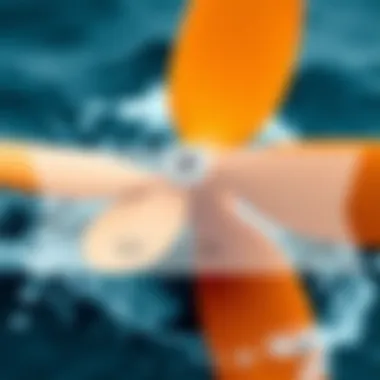
A critical consideration with gear ratios is their impact on motor performance. An appropriately selected gear ratio can enhance torque delivery, helping riders achieve powerful take-offs. However, mistaken choices can make for sluggish performance, wasting energy and reducing overall enjoyment. It's important for the rider to account for the type of water they typically navigate, as a higher gear ratio may be advantageous in calm waters but less effective in rough conditions.
Blade Shapes and Their Implications
The shape of a blade can drastically alter both performance and handling of an efoil. Riders should weigh the pros and cons of different blade shapes, as each serves its own purpose.
Flat vs. Curved Blades
The distinction between flat and curved blades holds significant implications for efficiency and performance. Flat blades tend to create less drag, which can promote swifter speeds over flat water. In contrast, curved blades often generate more lift, making them ideal for navigating waves or choppy waters.
In a sense, the choice between flat and curved comes down to personal style. Flat blades might be more popular among thrill-seekers wanting a fast ride, while curved options appeal to those who wish to ride the waves with finesse. However, one must be cautious as the advantages of one may become a drawback in another setting.
Surface Area Considerations
The total surface area of blades affects how they interact with water. Larger surface areas typically generate more thrust, which can be beneficial in promoting stability, especially during take-off. On the other hand, excessive surface area may lead to increased drag, which slows down the overall speed.
A balanced approach is necessary. An optimal blade might combine a moderate surface area with an effective profile to maximize thrust without sacrificing speed. For kiteboarders, understanding surface area could mean the difference in achieving that elusive glide versus struggling against the waves.
Length and Width Variations
Length and width in blade design are not just trivial details; they play a pivotal role in the ride experience.
Longer blades can facilitate higher speeds, while shorter blades afford greater maneuverability. Width variation contributes to thrust and drag too. A wider blade offers a greater angle of attack but may have its limits, leading to stalling under certain conditions.
For those navigating between speed and control, the ideal combining of length and width ensures a joyous experience on the water. Riding preferences lead individuals toward one or the other, making it important to experiment and see what fits best.
"The finer points of propeller design can elevate an efoiling experience from basic to extraordinary, fundamentally shaping the way riders engage with the water."
Through this understanding of propeller design, efoiling enthusiasts can tailor their equipment to align with personal preferences and situational demands, ultimately enhancing their enjoyment and performance on the water.
Materials Used in Efoil Propeller Construction
Efoil propellers are the unsung heroes behind the thrilling experience of gliding over water with electric propulsion. Their design and material choice are critical elements that directly impact performance, efficiency, and durability. This section provides an in-depth look into the materials commonly used in the construction of efoil propellers, touching on specific advantages and considerations of different options available.
Composite Materials
Composite materials play a pivotal role in the world of efoil propellers. They are typically a blend of various materials, designed to maximize strength while keeping weight to a minimum. This ensures that the propellers perform efficiently while exhibiting resilience against wear and tear.
Lightweight Properties
One of the most compelling aspects of composite materials is their lightweight properties. This attribute is essential for enhancing the overall performance of efoil systems. Lighter propellers can generate more speed with less energy input, thus improving overall efficiency. The key characteristic of composite materials is the ability to engineer them specifically to meet performance needs, ensuring they remain lightweight without sacrificing strength. This makes them a very desirable choice in manufacturing efoil propellers, where every ounce matters.
Additionally, the unique feature of having a tailored mixture of fibers and resin helps in optimizing performance under various water conditions. A lighter propeller not only allows for quicker starts but also provides improved maneuverability, which is crucial for kiteboarding enthusiasts looking to navigate through waves fluidly.
However, it is important to mention that while lightweight designs can enhance speed and ease of use, they may have drawbacks in terms of impact resistance. Composite materials can sometimes be more susceptible to damage from hard hits compared to their metal counterparts.
Durability Factors
Durability is another crucial consideration when selecting materials for efoil propellers. Composite materials, while lightweight, possess inherent strength characteristics that contribute significantly to their longevity. High-quality composites are engineered to withstand harsh marine environments, making them resistant to corrosion, fatigue, and various forms of wear.
Their durability stems from the unique layering of materials, which provides not just structural integrity but also flexibility. This flexibility is vital as it allows the propeller to endure the strains of rapid acceleration and sharp turns without cracking or breaking.
However, maintenance can be an aspect to be mindful of. Composite propellers may require regular checks for micro-cracks or chips which can develop over time, especially when used in rough conditions. If neglected, these small issues could lead to significant performance drops and safety risks.
Aluminum vs. Carbon Fiber
When it comes to the debate of aluminum versus carbon fiber for efoil propellers, the answer isn't straightforward; each material has its distinct perks and pitfalls. Aluminum is known for its cost-effectiveness and solid durability, while carbon fiber shines in terms of weight and performance.
Aluminum props tend to perform well in tough conditions and can be easily repaired if they sustain damage. However, they are heavier than carbon fiber alternatives. On the other hand, carbon fiber offers superior strength-to-weight ratios, enhancing acceleration and speed but comes at a higher price point. The use of carbon fiber allows for technologically advanced designs that can cater specifically to the needs of advanced water sports enthusiasts.


Ultimately, the choice between aluminum and carbon fiber will depend on the individual preferences of the rider, as well as their specific needs regarding performance, cost, and maintenance. Each type offers unique benefits that can either boost your ride or leave you battling inefficiencies.
"Choosing the right material is the first step in ensuring your efoil propeller not only meets your performance expectations but also withstands the rigors of aquatic adventures."
Both aluminum and composite materials stand as solid options, each brings its own flavor to the table, making the selection process an essential aspect of optimizing efoil performance. Educating yourself on these materials will arm you with the knowledge necessary to make informed decisions when it comes to equipping your efoil for a powerful and thrilling ride.
Performance Metrics of Efoil Propellers
Understanding the performance metrics of efoil propellers is crucial for anyone involved in water sports, particularly kiteboarders and coaches. These metrics offer insights into how well a propeller can convert energy into thrust and its efficiency during operation. A propeller’s capability directly influences overall user experience, dictating speed, acceleration, and ultimately enjoyment on the water.
Efficiency Analysis
Thrust Generation
Thrust generation is the heart of propeller performance. It reflects how much force a propeller can produce to move the efoil through the water. A powerful thrust generation means that the rider can achieve higher speeds quickly. This is key in yachts, surfing, and even racing contexts. The magic lies in the design of the blades; they must cut through the water efficiently while minimizing drag.
One key characteristic of thrust generation is how the surface area of the propeller blades interacts with water flow. Larger blades can create more thrust but might also increase drag. Thus, finding the right balance is essential. When efoil enthusiasts opt for a propeller with optimized thrust generation, they often experience snappier acceleration and a more exhilarating ride.
However, it's vital to note the disadvantages. A propeller designed solely for high thrust may suffer from reduced top-end speed. Striking the right compromise between thrust generation and drag efficiency is what sets apart exceptional efoil propellers from the rest.
Energy Consumption
Energy consumption takes center stage as riders seek longer sessions on the water. It refers to the amount of power required to generate thrust and sustain desired speeds. Efoil propellers that offer high thrust without draining the battery are highly coveted in the market. A lean energy consumption profile allows riders to enjoy longer rides without the constant worry of their battery running low.
One of the standout features of energy consumption metrics is the efficiency curve. This curve shows how much energy is used at different speeds. Propellers that have a flatter curve tend to be more efficient across various riding scenarios. This translates into less energy spent during your time on the water, providing both economic and ecological advantages.
On the flip side, propellers that promise low energy consumption may require compromises in other areas, such as thrust or speed. As with many aspects of propeller performance, understanding these nuances is crucial for making informed choices.
Testing Propeller Performance
Testing propeller performance is an invaluable practice for efoil enthusiasts. It involves various trials to gauge effectiveness under different conditions. This could mean assessing speed, control, and responsiveness in real-world situations. Riders need practical metrics to evaluate how well their selected propeller suits their skill level and riding style.
The benefit of performing tests can’t be overstated. Through hands-on evaluations, enthusiasts find new ways to enhance performance, maximize enjoyment, and minimize potential issues. Whether tweaking the setup or simply observing behavior on the water, testing shapes a deeper understanding of the dynamics at play in efoiling.
"A propeller’s effectiveness isn't just defined by its specs; it's how well it adapts to your riding style that counts."
Maintenance and Care for Efoil Propellers
Maintaining and caring for efoil propellers is not just an afterthought; it's a crucial part of ensuring longevity and optimal performance. Efoil propellers are subject to various stresses – from the relentless saltwater to the mechanical strain during high-speed maneuvers. Neglecting these components can lead to decreased efficiency, erosion, or in severe cases, complete failure. Hence, a disciplined maintenance routine is paramount.
Routine Inspections
Routine inspections form the backbone of effective maintenance. A quick visual check can reveal damages that might be lurking under the surface. Here are some key considerations to keep in mind during inspections:
- Cracks and Dents: Regularly look for visible cracks, chips, or dents on the blades and hub. Small defects can escalate into major issues if ignored.
- Corrosion Signs: Especially with aluminum components, watch out for signs of corrosion, as this can significantly impact the integrity of the propeller.
- Alignment Checks: Ensuring that the propeller is correctly aligned with the shaft is crucial for optimal performance. Misalignments cause additional wear and tear on both the propeller and the motor.
- Wear and Tear: Observe the blade edges, and look for signs of wear due to contact with debris or grounded operations. Uneven wear may indicate a potential issue with the setup.
Engaging in these inspections every few outings can make a world of difference, often catching potential problems before they cause real harm to your equipment.
Cleaning Techniques
Proper cleaning techniques are equally important when it comes to extending the life of your efoil propeller. Saltwater and debris can build up, affecting thrust and overall performance. Here are actionable cleaning tips:
- Rinse with Fresh Water: After each use, take the time to thoroughly rinse the propeller with fresh water. This simple practice helps remove salt and grime.
- Soft Brushes for Detailing: Utilize soft-bristled brushes to clean hard-to-reach areas. Avoid wire brushes as they may scratch the surface, leading to future corrosion.
- Non-abrasive Cleaners: When necessary, use non-abrasive cleaners designed specifically for marine applications. These cleaners can help in eliminating stubborn stains without damaging the material.
- Regular Inspections During Cleaning: While cleaning, perform a visual inspection to check for any hidden damages or misalignments.
"An ounce of prevention is worth a pound of cure." This saying is particularly fitting here; ensuring a clean, well-maintained propeller not only maximizes performance but also guarantees more enjoyable days on the water.
Installing and Upgrading Propellers
Installing and upgrading propellers is a pivotal aspect of optimizing the efoiling experience. While the efoil itself offers thrill and adventure, the performance largely hinges on how well the propeller is integrated with the system. A well-chosen propeller can enhance efficiency, enabling smoother rides and better energy management, while a poor installation can lead to unnecessary wear or even potential failures. This discussion focuses on crucial elements pertinent to installing and upgrading propellers, making it essential reading for anyone serious about their water sports journey.
Proxy Bearing and Shaft Alignment
When it comes to installing propellers, the alignment of the proxy bearing and shaft is something to take seriously. Neglecting this can lead to vibrations and inefficiencies that rob your efoil of performance. The proxy bearing acts as a support for the shaft, ensuring it rotates smoothly within the housing. Misalignment can lead to catastrophic mechanical failure, resulting in not just performance degradation but safety issues.
Proper alignment is not merely a technical requirement; it plays a vital role in shaping the riding experience. Ensuring that the bearing and shaft fit snugly can significantly reduce noise and vibrations in the ride. The alignment process requires precision tools, as even a slight miscalculation can lead to long-term damage. For enthusiasts, maintaining this aspect of their setup can mean the difference between an exhilarating ride on the waves and a frustrating experience filled with hiccups.
Choosing the Right Propeller for Your Efoil
Choosing the right propeller is akin to picking the right pair of shoes for a marathon. It’s all about finding the perfect fit for your needs. Each propeller offers unique characteristics that can serve different riding styles and skill levels, making this decision crucial for any efoil enthusiast.
Size Selection
The size of the propeller can dramatically influence performance. A smaller propeller is typically lighter and easier to handle, making it a good fit for beginners who need to maintain control over their rides. In contrast, a larger propeller can generate more thrust, which is attractive for experienced riders seeking speed and agility. Yet, it comes with its own set of demands regarding balance and stability on the water.
The key characteristic of size selection is its influence on thrust and control. A well-matched propeller can boost efficiency, enabling the rider to enjoy longer sessions without draining the battery quickly. However, if one goes too big, it can lead to decreased performance mid-ride, proving detrimental rather than beneficial. Riders should consider their typical conditions—choppy waters call for different sizing than calm lakes.
Performance Considerations
Performance considerations extend beyond size alone. Factors like the blade shape, pitch, and material all interplay to create the desired riding experience. A propeller with greater pitch can deliver higher speeds but often sacrifices low-end thrust, making take-off more challenging. Conversely, a propeller optimized for low-speed efficiency may not perform as well during high-speed runs.
The unique feature of performance considerations is understanding the balance between speed and control. Choosing a good propeller strikes this balance; without it, a rider may find themselves struggling with a setup that doesn’t match their experience level or the expected water conditions. This can lead to frustrating rides where their efoil feels sluggish or unresponsive.
"Perfect alignment and a well-chosen propeller transform the efoiling experience from good to extraordinary."
Environmental Impact of Efoil Propellers
The environmental ramifications of efoil propellers present a crucial aspect in the discourse surrounding modern water sports. With the rising popularity of efoiling, both enthusiasts and manufacturers are faced with the responsibility of minimizing their ecological footprint. As we navigate through this topic, it becomes clear that understanding the environmental impact of efoil propellers is not just about compliance but also about embracing sustainable practices that protect marine ecosystems and promote efficient energy use.
Noise Levels and Marine Life
Efoil propellers operate with a certain level of noise that can potentially disrupt marine life. It's been noted that high frequencies created by the electric motors and propellers can interfere with the communication of aquatic animals. Many species, including fish and marine mammals, utilize sound for navigation, feeding, and mating. Thus, when efoils cut through water, the noise produced might hinder these critical behaviors, leading to possible distress or displacement of wildlife.
- Key Considerations:
- Species Sensitivity: Some marine creatures are more sensitive to noise than others, which means the impact varies across species.
- Habitat Disturbance: Frequent noise pollution can lead to habitat changes for sensitive marine environments, particularly near reefs or breeding grounds.
The growth of efoiling urges industry players to consider designs that mitigate noise levels. This could involve innovations in propeller shape and rotational speed, cooking up quieter alternatives that lessen the auditory impact on marine ecosystems. Developing noise-reducing technologies not only enhances user experience but also cultivates a more harmonious relationship with nature.
Sustainability Practices in Manufacturing
To address these environmental challenges, the efoil industry has started to adopt sustainable practices in the manufacturing of propellers. The choices made during production can significantly influence the overall ecological footprint of efoiling.
- Material Selection: Utilizing recycled materials can reduce waste and diminish reliance on new resources. For instance, components made from recycled aluminum or eco-friendly composites help in lowering emissions associated with production.
- Energy Efficient Processes: Companies are increasingly focusing on energy-efficient manufacturing processes. Utilizing clean energy sources, such as solar power during production, can greatly decrease the carbon footprint associated with efoil propeller creation.
- Lifecycle Assessments: Conducting thorough assessments throughout the lifecycle of efoil components ensures that sustainability is embedded from production to disposal. Understanding the long-term impact of materials can help craft better, environmentally friendly propellers.
Future Trends in Efoil Propeller Technology
The world of efoil technology is constantly evolving, and this section shines a spotlight on the future trends that are likely to reshape how enthusiasts experience water sports. Efoiling stands at the intersection of innovation and sustainability, combining the thrill of gliding over water with a commitment to more environmentally friendly practices. Understanding these trends is crucial for riders, manufacturers, and instructors who wish to stay ahead of the curve and harness advancements for better performance and enjoyment.
Innovative Materials and Designs
As technology advances, materials used in efoil propellers are also seeing significant improvement. The shift is moving towards lighter, stronger materials that enhance performance while also addressing durability concerns. Here, innovation plays a critical role.
- Carbon Fiber Enhancements: One of the most talked-about materials is carbon fiber. Lightweight yet exceptionally strong, it not only reduces the overall weight of the craft, enabling higher speeds and more nimble turns, but also has excellent fatigue resistance. Riders can expect to see propellers crafted from carbon fiber that promise longer-lasting durability without sacrificing performance.
- Biodegradable Options: Another area gaining traction is the development of biodegradable composites. These materials help mitigate the environmental impacts of conventional plastics and metals used in propeller construction. As manufacturers explore more sustainable options, we might soon see efoils that are not only state-of-the-art in their performance but also kind to our waters.
- Smart Designs: The focus on aerodynamics is pushing the envelope in blade design, where shapes are becoming more optimized for water flow. Curved blades that mimic the physiology of marine animals can enhance speed and efficiency. Riders might find new designs that improve thrust without increasing drag, a win-win for both performance and energy efficiency.
Integration with Advanced Controls
As efoil technology develops, so too does the synergy between propeller systems and advanced control mechanisms. The future promises smarter systems that not only enhance user experience but also ensure safety and adaptability in varying water conditions.
- Electronic Control Systems: Efoils are increasingly being equipped with advanced electronic control systems. These systems allow riders to fine-tune power outputs in real-time, optimizing battery use while adapting to changing conditions on-the-fly. Imagine being able to adjust your thrust with just a flick of your wrist or a foot pedal.
- Data-Driven Insights: Expect to see hulls integrated with sensors that can monitor performance metrics. Data collected might inform users about propeller efficiency and battery usage, allowing kiteboarders to refine their riding experience.
- Enhanced Safety Features: With the integration of such systems, safety is also a priority. Features like automatic cut-offs in case of malfunction can prevent accidents.
The interplay of innovative materials and smart control technologies will redefine what it means to ride an efoil in the future. Kiteboarders and instructors alike will have access to tools that empower safer, more enjoyable experiences while pushing limits of performance altogether.
The advances in efoil propeller technology signal more than just improved designs and materials; they herald a future where the experience of water sports becomes more responsive, sustainable, and in tune with the power of nature.
For more on sustainable materials in manufacturing, you can check resources from Wikipedia and insights on advancements in electronic controls from NASA.
As the efoiling landscape evolves, staying informed about these trends ensures riders and professionals will always ride the crest of the wave, not just keep afloat.