
Adjustable Harness Lines in Windsurfing: A Guide
Intro
Windsurfing is not merely a sport; it’s a way of communicating with the wind, the waves, and oneself. At the heart of this interaction is the equipment that can either elevate your experience or pull it down like an anchor. One such crucial aspect is the adjustable harness line. While it may seem like a small detail in the grand scheme of windsurfing, the impact of having properly adjusted harness lines can be monumental.
Why Focus on Adjustable Harness Lines?
Adjustable harness lines offer the flexibility that first-time windsurfers and seasoned experts need for both comfort and performance. Their ability to be tailored to individual preferences allows a sailor to find the sweet spot in terms of balance, especially while carving through the water at speeds that make your heart race. These lines are not just about comfort; they play a pivotal role in maintaining control and optimizing energy transfer from the rig to the board, which is critical for any windsurfer looking to master their skills.
What You Will Learn
In this guide, we illuminate the labyrinth of adjustable harness lines by examining their various types, how adjustments affect performance, practical choices for selection, and essential maintenance tips. Better yet, we offer insight for both beginners nervously stepping onto the board and seasoned athletes pushing the limits. From the initial setup to fine-tuning adjustments, this guide is designed to empower every windsurfing enthusiast.
By the end of this read, you’ll not just understand adjustable harness lines but also appreciate how they contribute to the very art of windsurfing.
So, strap in as we embark on a journey that promises to expand your horizon in windsurfing with clarity and depth.
Understanding Adjustable Harness Lines
Adjustable harness lines are not just accessories; they are integral elements that can transform the way windsurfers experience their rides. Understanding the importance of adjustable harness lines can significantly enhance performance and comfort while on the water. These equipment pieces allow sailors to tweak their positioning, adapting to various wind conditions and personal preferences, which can ultimately improve the overall performance of the windsurfing experience.
Definition and Functionality
At its core, adjustable harness lines serve a simple yet critical purpose: they link the harness to the boom, allowing the rider to distribute their weight more evenly across the board. This setup shifts the balance point and enables the windsurfer to control the sail more effectively. Typically crafted from durable materials, adjustable harness lines include a mechanism—often a sliding loop or buckle—that makes it easy for the user to lengthen or shorten the lines as necessary.
Let's break this down: when you adjust your harness lines, you're essentially changing the angle at which the sails catch the wind. If you’re lined up just right, every gust feels like magic, lifting you up without straining your back or arms too much. Depending on wind strength and personal comfort, the adjustments can be minor or major, and often it's best to make slight changes on the fly to seek that sweet spot.
Comparison with Fixed Harness Lines
Now, while many might ask, "Why not just stick with fixed harness lines?" – the comparison reveals some eye-opening truths. Fixed harness lines offer simplicity and reliability, typically requiring less in the way of adjustments. However, this comes at the cost of flexibility. Without adjustments, the fixed lines may not cater to the varied stances and sailing styles that different windsurfers exhibit.
Here are a few points to consider when comparing adjustable and fixed harness lines:
- Flexibility: Adjustable lines can be fine-tuned according to individual requirements.
- Comfort: With fixed lines, comfort is a hit-or-miss; they may suit some but not all riders.
- Performance: Adjustable harness lines generally allow for better performance by accommodating changing wind conditions.
As experienced windsurfers often say, "One size does not fit all"—and this holds true in the world of harness lines. Making the right choice can be the difference between sailing seamlessly and struggling with every gust.
With this foundational understanding in mind, it becomes clear that adjustable harness lines are key supports in enhancing one’s windsurfing capability. Having the tools to adjust harness lines means never having to battle equipment that isn’t quite right for your session, ensuring that you remain focused on enjoying the ride.
Benefits of Adjustable Harness Lines
When it comes to windsurfing, achieving an optimal experience is closely tied to the equipment one uses. The adjustable harness line can be a game changer, serving both novice and seasoned windsurfers. Here, we explore the various benefits these versatile tools provide, ensuring a smoother ride and a more enjoyable time on the water.
Enhanced Comfort
Adjustable harness lines prioritize comfort, which is a necessity when facing long hours on the water. The ability to modify the length allows you to find that sweet spot where your body feels balanced and relaxed. Imagine you’re out there catching wind and waves, but your lines are a touch too short. You’ll be tugged forward, muscles straining, and that blissful flow becomes a chore. By adjusting the harness lines, you can distribute weight evenly, reducing strain on your back and shoulders.
On the flip side, some windsurfers prefer a tighter setup for speed. For them, harness lines that can be modified to a shorter length can help streamline their stance, aiding performance without compromising comfort. Thus, adaptability means you can enjoy a more pleasant ride regardless of the conditions; you can easily switch from cruising to racing without missing a beat.
Improved Performance
The influence of adjustable harness lines extends far beyond comfort; they significantly boost performance, too. Precision is key in windsurfing, where every movement affects the flow and balance. By tweaking the harness lines, riders can affect how their body interacts with the sail and board.
For instance, if the lines are too long, the wind can catch you off guard, pushing you too far back. This lack of control can lead to a chaotic experience. However, ensuring the right adjustment grants better directional control, which allows for sharper turns and faster accelerations. You gotta feel the wind beneath you—not battling against it. A snug, well-adjusted line translates into fewer wobbles and more seamless maneuvers, enhancing overall agility.
Customization for Individual Needs
Every windsurfer is unique, with different body types, styles, and preferences. Adjustable harness lines cater to these differences remarkably well. It’s not a one-size-fits-all scenario; what works for one person might not sit right with another. For example, a lighter rider may prefer shorter adjustable lines to maintain control, whereas a heavier windsurfer might need longer ones to better leverage their body weight with the sail.
Customization extends beyond just body type; it’s also about riding style. Some riders love to play with tricks, requiring more maneuverability, while others are more focused on speed and stability. Adjustable harness lines can be fine-tuned to suit these needs. This level of personalization helps maximize comfort and performance, ensuring that every rider can set up their gear just the way they like it.
"With adjustable harness lines, you adapt to the waves instead of the other way around."
In sum, the benefits of adjustable harness lines are multifaceted, balancing comfort with performance while embracing the unique needs of individual windsurfers. These features cater to the intricacies of the sport, leading to a much richer experience on the water.
Types of Adjustable Harness Lines
When it comes to windsurfing, harness lines play a pivotal role in how effectively a rider can control their sail and board. Understanding the various types of adjustable harness lines is essential for any windsurfer looking to optimize their experience on the water. These lines can affect everything from comfort to performance, making it crucial to choose wisely.
Classic Adjustable Lines
Classic adjustable lines are often considered the mainstay in the world of windsurfing. They feature a simple yet effective mechanism that allows for tension adjustment to suit different conditions and styles of riding. The key here is ease of use; they typically come with a cleat system or a simple loop that lets you tighten or loosen the line on the go.
The practicality of classic adjustable lines cannot be overstated. Imagine setting out on a breezy day, only to discover that your harness lines feel a bit off. With these lines, you can make quick adjustments while on the water, fine-tuning their position to improve balance and control. Also, the material used is often robust, ensuring longevity even in harsher conditions.
Sliding Harness Lines
Sliding harness lines take a more dynamic approach. These lines allow for lateral movement along the boom. The design enables riders to shift their body position more freely, which is crucial during maneuvers such as jumps or transitions. The sliding aspect provides a sense of freedom that can enhance fluidity during performance.
One of the notable advantages is the reduction of strain on the body. By allowing more movement, sliding harness lines minimize the constant tension that can lead to fatigue, particularly during longer sessions. Riders often find that their overall control improves as they’re able to shift their weight more naturally while riding the waves.
Integrated Harness Lines
Integrated harness lines represent a leap forward in innovation. With this type, the lines are built directly into the harness rather than attaching separately. This design eliminates the need for frequent adjustments, which can sometimes be cumbersome. Instead, the lines are structured to provide a more seamless connection to the sail.
This kind of line offers a consistent feeling, which can be particularly beneficial for newcomers trying to find their balance on the board. Additionally, integrated harness lines can effectively reduce the risk of tangling and other mishaps that may arise with traditional setups. Riders often report an increased sense of stability, which can be invaluable when learning new tricks.
Choosing the right type of adjustable harness line ultimately affects your overall windsurfing experience. Whether you prefer the classic approach for its simplicity, the slide of dynamic movements, or the integration of harness lines for seamless performance, understanding these options is essential to enhance your time on the water.
Choosing the Right Adjustable Harness Lines
Selecting the right adjustable harness lines is a pivotal moment in the windsurfing journey. Not only do these lines contribute to comfort, but they also have a direct impact on control and efficiency on the water. In a sport where every little advantage counts, understanding how to choose the best adjustable harness lines tailored for your needs can elevate your experience from good to exceptional.
Assessing Skill Level
Your skill level significantly defines what adjustable harness lines will work best for you. Beginners often benefit from softer, more forgiving lines that allow for flexibility while they learn the basics. These lines help reduce fatigue and can be more forgiving in terms of adjustments as they figure out their stance and balance on the board.
On the flip-side, experienced riders might prefer stiffer lines that provide enhanced responsiveness and control for faster sailing. Skilled sailors understand the nuances of harness line positioning and often experiment with different setups to maximize performance. Assessing your current skill set can help narrow the choices down to what aligns best with your goals on the water.
Considering Body Type and Preferences
Body type can play a role in how adjustable harness lines function for you. Heavier sailors or those with broader shoulders might find that longer lines offer better support, while lighter individuals may prefer shorter lines for improved maneuverability. In addition, personal preferences come into play when assessing comfort in the harness system. A rider's stance, weight distribution, and even their style of riding can dictate what lengths and styles to prioritize.
Selecting a setup that's compatible with how you physically connect with the board is imperative for the long haul. Comfort directly translates to performance, making this consideration a non-negotiable aspect of your harness choice.
Evaluating Material and Durability
When it comes to adjustable harness lines, materials matter. Many contemporary lines are crafted from high-strength, lightweight materials that won’t easily wear out. Evidence suggests that lines made from Dyneema or Spectra offer extreme tensile strength along with low stretch, making them ideal for performance-centric windsurfing.
Regular wear and tear should also be on your radar. Thoughtful evaluations of stitching, hardware, and line integrity can ensure that your setup isn’t just a quick fix but a long-term investment. A thorough inspection can save headaches down the road, as even minor damages can lead to significant performance issues. Making choices that emphasize durability not only enhances your sessions but can also give you peace of mind.
Remember: Quality isn’t just a preference; it’s a necessity for consistent performance in windsurfing.
By being diligent about these elements—skill level, body type, and material quality—you’re setting yourself up for success on the water. Choosing the right adjustable harness lines is a foundational step that can improve comfort and performance, ultimately making your time on the waves even more enjoyable. For more insights, check resources like Wikipedia on Windsurfing or engage with the community on platforms like Reddit to explore personal experiences and recommendations.
Adjustment Techniques for Optimal Performance
Successfully navigating the waters of windsurfing is not just about skill; it's also about fine-tuning your setup to get the best performance out of your equipment. When it comes to adjustable harness lines, how you configure them can significantly impact your overall experience on the water. Here, we’ll dive into the nuts and bolts of adjustment techniques that optimize performance, covering aspects like the initial setup, tuning during sessions, and responding to your unique body mechanics.
Correct Initial Setup
Starting with the right foot is essential in windsurfing. Proper initial setup of your adjustable harness lines directly influences your comfort and control. This typically involves not only setting the length of the lines but also positioning them relative to your body.
- Key considerations include:
- Line Length: Measure from the sail to your body. You want to find that sweet spot, which is commonly anywhere from shoulder height to slightly above.
- Alignment: Your lines should hang straight down when adjusted properly. This ensures you’re not straining and helps maintain a relaxed sailing posture.
- Sail Positioning: Ensure your harness lines are aligned with the center of the sail for balanced weight distribution; this can help with steering and speed.
Taking a moment to get your initial setup right can save you a world of hassle—like dealing with back strain or lack of power in your sail later.
Tuning During Sessions
As the saying goes, "Don't put all your eggs in one basket," and that applies here too. The conditions in windsurfing can shift dramatically, and so should your harness line adjustments. Tuning during your sessions allows you to cater to these changing circumstances.
Consider these elements for tuning:
- Wind Variability: When winds pick up, you might want to shorten your lines for better control. Conversely, if the winds die down, longer lines may offer more leverage.
- Personal Comfort: Listen to your body; if you're feeling strain or discomfort, that’s your cue to adjust. A quick tweak can lead to hours of pain-free sailing.
- Feedback from Equipment: If you notice your board feels unstable or your sail seems sluggish, fine-tuning your lines may help rebalance everything.
Being responsive to the conditions and your body will keep you enjoying the ride instead of wrestling with equipment.
Feedback and Adjustment
Feedback loops are critical in reaching peak performance. After each session, reflect on what worked and what didn’t. Did your harness lines facilitate proper weight distribution? Were you able to maneuver effectively?
You could follow these steps for effective feedback:
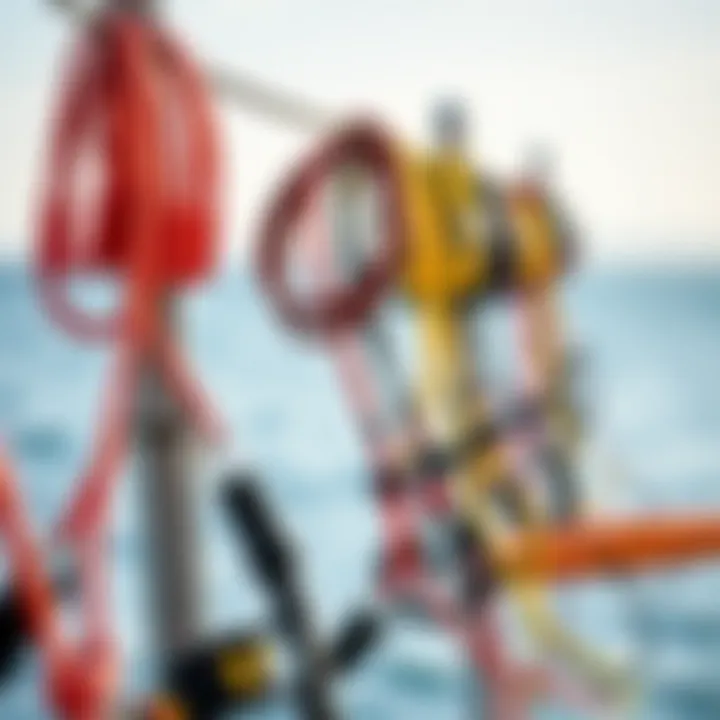
- Observe Performance: After day’s end, think about how your equipment responded. Jot down notes; this creates an evolving roadmap for future sessions.
- Peer Insights: Sometimes a bit of wisdom from fellow windsurfers can shed light on unexplored adjustments. Don’t hesitate to share your experiences and glean feedback.
- Adjust Accordingly: If you notice a particular setup benefiting your performance, incorporate that into your routine. It's a continuous improvement process.
Through consistent feedback and change, you’ll not only refine your personal approach but also elevate your windsurfing game to new heights.
"Adjustments are not just about making changes, they're about making improvements."
In closing, mastering the art of adjustment techniques for your harness lines stands as a cornerstone for achieving exceptional performance on the water. Pay attention to your setup, stay acquainted with the conditions, and maintain a flexible mindset towards modifications. This is the way to sail the wind like a pro.
Maintenance of Adjustable Harness Lines
Maintaining adjustable harness lines is crucial for ensuring optimal performance and safety on the water. These components, while often overlooked, play a significant role in windsurfing, affecting not only comfort but also control during maneuvers. Neglecting their upkeep can lead to premature wear, compromised performance, and even safety risks. Here’s a deep dive into the key aspects of maintenance to keep these harness lines in top shape.
Routine Inspection
Regular inspection of adjustable harness lines is the first line of defense against wear and tear. Riders should be vigilant about checking for any signs of fraying, fraying seams, or damage to the adjustment mechanism. A simple yet effective approach is to visually and physically examine the lines before each session. Ensure that all components, including buckles, are working smoothly without any jams or stiffness. Keeping an eye on the attachment points is also vital—accidents can happen if they’re compromised.
Some might say, "An ounce of prevention is worth a pound of cure." Taking a little time to inspect these lines can save you from significant issues down the road.
Cleaning Practices
Maintaining cleanliness is essential in prolonging the life of harness lines. After a windsurfing session, it’s advisable to rinse the lines with fresh water to remove any salt, sand, or debris that might have accumulated. This helps prevent the material from breaking down over time. Using mild soap with a soft cloth can provide a deeper clean without risking damage to the fibers.
Avoid using harsh chemicals or abrasive materials, as they can weaken the lines' integrity. While some might prefer to just toss them in the laundry, it’s best to stick to handwashing methods for optimal care. Hang them to dry in a shaded area instead of letting them bake under the sun, which can lead to issues like fading and brittleness.
Storage Tips
Proper storage of adjustable harness lines is key to ensuring they remain functional and safe. After cleaning, store the lines in a cool, dry place, away from direct sunlight. A dedicated bag or case can be beneficial. Wrapping the lines loosely can help prevent kinks and tangles, which can lead to mishandling during use.
Keep them separate from other windsurfing gear to avoid unintentional damage from other equipment.
In summary, routine inspection, conscientious cleaning, and proper storage can prolong the life of adjustable harness lines and enhance the overall windsurfing experience. For those interested in more extensive resources about harness maintenance, sites like Wikipedia or Britannica provide additional insights and technical details.
Common Issues and Solutions
Addressing common issues related to adjustable harness lines is critical for any windsurfer, whether novice or seasoned. Recognizing and resolving problems with harness lines not only improves the overall experience but also enhances safety on the water. It's essential to troubleshoot potential issues proactively, as this can save time, money, and frustration in the long run. Attention to detail here can mean the difference between a smooth sailing session or a chaotic outing.
Wear and Tear
Over time, even the highest quality adjustable harness lines will experience wear and tear. This degradation can happen due to exposure to the elements—sun, salt, and wind—all of which can take a toll on the materials used. The lines may appear stretched, frayed, or discolored, indicating they need immediate attention.
To mitigate wear and tear, it's advisable to perform regular inspections of your harness lines. Check for signs of fraying where the line meets the adjustment mechanism, as well as any thin spots along the length.
Tips to Manage Wear and Tear:
- Regular Visual Checks: Make it a habit to inspect your harness lines before each windsurf session.
- Avoid Overexposure: Store your equipment in a cool, shady area when not in use to prevent damage from UV rays.
- Clean After Use: Rinse your harness lines with fresh water to remove salt and sand. This simple step prolongs their lifespan.
“The best surf gear is the one you take care of regularly.”
Neglecting wear can lead to breakages while on the water, perhaps even resulting in injury or a costly swim to retrieve your gear.
Adjustment Mechanism Failures
The adjustment mechanism is a pivotal part of adjustable harness lines. When it fails, it can turn an exhilarating experience into a frustrating struggle. Poorly functioning adjustments can shift mid-sail or get stuck, leaving a windsurfer unable to find the right comfort level or position.
Identifying signs of failure can be tricky but crucial. If your harness lines feel inconsistent during a session—either too tight or too loose—there may be something wrong with the adjustment setup.
Troubleshooting Mechanism Issues:
- Inspect the Mechanism: Regularly check for any dirt or sand that might hinder the adjustment function.
- Assess Fit and Functionality: Confirm that the adjustment runs smoothly without forcing. If tension feels off, consider replacing the mechanism entirely.
- Lubrication: Applying a small amount of silicone spray can help in maintaining the smoothness of the adjustment.
In case of persistent issues, remember that it’s always better to seek help from a more experienced windsurfer or a professional. Failing to address these problems can lead to ineffective riding positions and potential danger on the water.
By proactively addressing these common issues, users can maintain optimal performance and extend the life of their equipment. Quality maintenance practices not only safeguard investments but also contribute to a more enjoyable windsurfing experience overall.
Innovations in Harness Line Technology
In the ever-evolving world of windsurfing, keeping pace with technological advancements is crucial. The innovations in harness line technology have significantly transformed how windsurfers interact with their equipment. These improvements can enhance performance, comfort, and customize sailing experiences like never before. Understanding these innovations not only helps in selecting the right gear but also tackles specific issues that windsurfers face regularly.
Material Advancements
One of the most critical elements of harness line technology is undoubtedly the materials used to fabricate these components. Gone are the days when basic nylon or polyester was the norm. Modern harness lines are crafted from advanced materials designed to withstand the rigors of water sports, balancing strength and flexibility. For instance, the introduction of high-modulus polyethylene fibers has revolutionized the industry. These fibers boast high strength-to-weight ratios, significantly reducing drag while increasing durability.
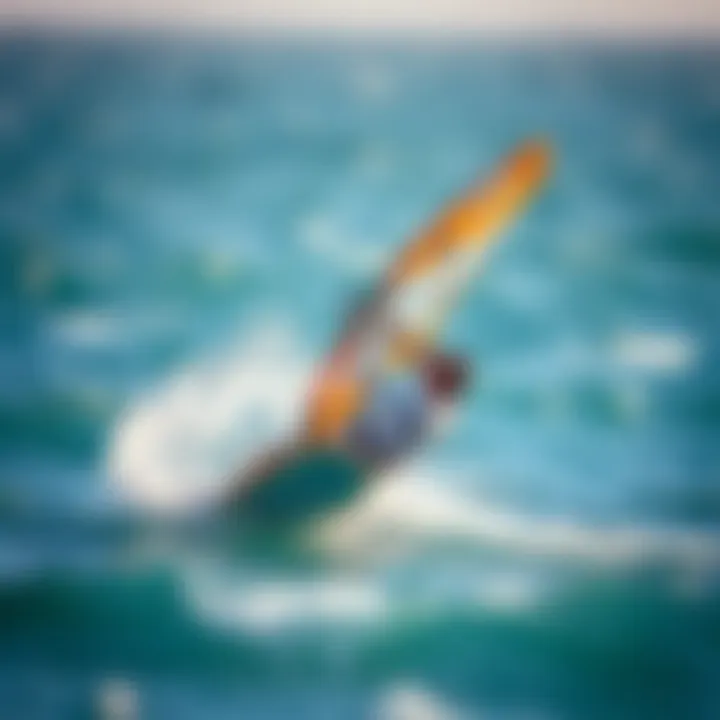
Moreover, brands like Mystic and North Kiteboarding are now employing hydrophobic coatings. These coatings repel water, preventing the harness from becoming heavy and cumbersome during a session. They also help to minimize abrasion and wear, extending the lifespan of the harness lines.
With the advent of newer materials comes the potential for varying stiffness and elasticity in the harness lines. Manufacturers now create lines that can flex dynamically, which accommodates for different wind conditions and sailing styles, allowing for a more adaptive performance.
Design Innovations
In addition to material enhancements, design innovations play a large role in the effectiveness of adjustable harness lines. The construction methods have improved dramatically, focusing on ergonomic principles and performance optimization. For instance, designs that involve contoured shapes allow the lines to distribute load more evenly across the body, reducing strain. This thoughtful design approach enhances comfort and allows sailors to maximize their energy output while balancing on the board.
Another significant development is the advent of quick-adjustment systems found in contemporary harness lines. These systems let users adjust line length quickly and efficiently while on the water. Brands like Duotone have incorporated easy-to-grip toggles that allow for swift adjustments to adapt to changing conditions without disrupting sailing flow.
Furthermore, the integration of color-coded indicators is becoming increasingly common. These allow sailors to quickly identify their preferred settings, providing a user-friendly experience that leads to better performance. The thought that goes into the development of adjustable harness lines reflects a deep understanding of user needs and sailing dynamics.
"Innovations in harness line technology streamline the windsurfing experience, making it accessible and enjoyable for everyone, regardless of skill level."
With advancements in materials and design innovations, windsurfers are equipped more than ever to face the challenges posed by nature. These innovations confirm that the sport is progressing in tandem with technology, ultimately benefiting enthusiasts who thrive on the waves.
User Experiences and Testimonials
The realm of windsurfing is rich with personal narratives and testimonials that provide invaluable insight. Rather than merely examining adjustable harness lines through the lens of technical specifications, user experiences highlight the emotional and practical aspects of utilizing these vital pieces of equipment. They act as a bridge between theory and practice, offering a real-world understanding of how these lines impact both comfort and performance.
Gathering feedback from windsurfing enthusiasts helps illuminate the often nuanced differences that can make or break one’s experience on the water. These narratives serve not only as tips and tricks but also as cautionary tales, guiding both novices and seasoned windsurfers in their journey. Here are some important considerations regarding the significance of user experiences:
- Real-World Applications: Professional reviews and product descriptions might offer a glimpse into harness functionality, but user testimonials present context. They reflect how harness lines perform under actual conditions, how they react to various winds, and the sensations associated with their use.
- Peer Learning: Information shared by other windsurfers fosters community learning. Beginners can learn from mistakes and successes of more experienced riders, which enhances their skill development.
- Access to Tailored Recommendations: User experiences are a treasure trove of personalized advice. Wind surfers often share which types of adjustable harness lines work best for specific body types, skill levels, or preferred riding styles.
Feedback from Beginners
For newcomers, the journey into windsurfing can be both exhilarating and intimidating. Adjustable harness lines play a pivotal role in that journey. Many beginners express the challenge of finding the right fit. A common refrain is:
"I was overwhelmed by the options and adjustments. Watching videos helped, but hearing others’ struggles made me feel less alone."
Feedback often revolves around the learning curve associated with adjusting harness lines correctly. Comfortable fittings allow for better gripping on the sail and increased confidence in navigating challenging waters. These beginners frequently highlight how adjustments can transform what was once uncomfortable into a seamless experience. They mention the benefits of flexibility that comes from adjustable harness lines, noting:
- Enhanced Steering Control: When harness lines are correctly set, steering becomes more intuitive.
- Reduced Fatigue: Many beginner testimonials reflect how proper adjustment can minimize strain on the back and arms, thus making longer sessions more enjoyable.
Insights from Advanced Windsurfers
As with anything, experience shapes perception. Advanced windsurfers approach adjustable harness lines with additional technical know-how and a refined sensibility. They often share that the right adjustment empowers them to maximize their performance and stability, especially in fluctuating wind conditions. An experienced windsurfer might comment:
"When I switched to integrated harness lines, it felt like a game-changer! I could feel every nuance of the wind, and my control became sharper."
The advanced windsurfers' insights revolve around:
- Performance Optimization: Many find that with a bit of tuning, adjustable lines can be calibrated to match their style, enhancing every maneuver from gybes to jumps.
- Fine-Tuning for Conditions: They often discuss adjusting their harness lines depending on wind speed and board type, which directly affects their ability to harness power effectively.
- Durable Materials: This group tends to lean towards lines made of new-age materials that can withstand wear from rigorous use, valuing both durability and performance over time.
Ultimately, the voices of both beginners and advanced windsurfers provide a spectrum of experiences that can inspire newer riders while sharpening the skills of veterans. This exchange of knowledge not only enhances the performance of individuals but nurtures a vibrant community that is continuously learning and evolving.
Future Trends in Adjustable Harness Lines
The landscape of windsurfing is ever-evolving, much like the technology behind adjustable harness lines. As windsurfing enthusiasts look for ways to enhance their rides, future trends illuminate the path forward. Understanding these trends is crucial, as they not only pique curiosity but also rally discussions around innovation, sustainability, and marginal gains that can greatly impact the windsurfing experience.
Sustainability in Materials
One major aspect shaping the future is sustainability. The push for eco-friendly materials across industries is making waves in windsurfing. Manufacturers are beginning to explore biodegradable or recyclable materials to lessen environmental impact. This means harness lines may soon be produced from alternatives that don’t just perform well but also minimize the footprint left on our planet.
For instance, imagine harness lines made from bio-fabricated materials that decompose after their lifespan, drastically reducing waste on the water and in landfills. The challenge here is balancing performance with ecological responsibility. Many brands are already experimenting with this sort of technology, and it’s crucial for manufacturers to integrate practices that support sustainability without sacrificing quality.
Additionally, using materials that draw less energy during production can mark a shift towards greener practices. The industry's evolution in selecting materials can pave the way to sustaining this sport for future generations, helping it thrive without compromising our environment.
Integration with Digital Technology
Emerging digital technologies pose another frontier for adjustable harness lines in windsurfing. As the sports technology sector flourishes, integrating smart tech within harness lines is becoming a talking point. Imagine harness lines equipped with sensors to gather data about usage, tension, or even environmental conditions. This information could offer real-time feedback, shaping a more tailored and informed user experience.
Moreover, harness lines may soon offer connectivity features that allow you to sync with personal devices. This could help in achieving optimal adjustments dynamically, based on the rider's preferences or conditions at sea. The user can receive alerts or suggestions directly to their smartphones, streamlining adjustments that were once made through trial and error.
With these innovations, the ability to customize settings for performance and comfort can enhance not just individual rides but contribute to a collective understanding of best practices in the sport. Riders could share data and feedback, leading to communal knowledge on how best to use these advanced tools in varying conditions.
Wrap-up and Key Takeaways
Navigating through the complexities of adjustable harness lines reveals their critical role in enhancing the windsurfing experience. This article has unpacked key aspects on the functionality and versatility of these components, which are more nuanced than one might initially believe. Some takeaways worth emphasizing include:
- Flexibility and Comfort: Adjustable harness lines afford windsurfers the ability to tailor their setup according to their specific needs, leading to personally optimized comfort. This means spending longer hours on the water without undue strain.
- Performance Optimization: The performance of a windsurfer heavily relies on the effective use of harness lines. Understanding how to adjust their length and position can significantly improve control and overall maneuverability while riding.
- Types and Selection: From classic adjustable lines to sliding and integrated options, knowing the types of harness lines available is essential. Each type offers unique benefits that cater to different styles of riding and skill levels, ensuring that every windsurfer can find what suits them best.
- Maintenance Importance: Regular inspections, cleaning, and proper storage of harness lines should not be overlooked. Well-maintained gear extends the life of the equipment and assures safety on the water.
These factors underscore the significance of adaptable harness systems in the sport. As concluded in the testimonials gathered, from beginners finding their footing to seasoned windsurfers honing their skills, adjustable harness lines are indeed a game changer.
Final Thoughts
In summation, the realm of windsurfing is as much about equipment efficiency as it is about personal style and comfort. The investment into adjustable harness lines is not merely financial; it encapsulates a commitment to not only personal performance but to an enhanced connection with the water. Adjustments at the harness line will ultimately dictate agility and responsiveness - and those nuances matter. By prioritizing the right choices, windsurfers set themselves on a path of success, comfort, and enjoyment in their water adventures. Every time one steps onto a board, adjusted harness lines can make all the difference, reminding us that even the smallest details carry weight in the grand scheme of waves and currents.